This article was originally published on Crafting Your Home. A human contributor also wrote and edited the post.
A commonly used generic allergy medicine is being recalled nationwide after unusual red marks and discoloration raised concerns about possible cross-contamination with ranitidine. Unique Pharmaceutical Laboratories voluntarily recalled four lots of Cetirizine Hydrochloride Tablets USP, 5 mg, according to a company announcement published by the U.S. Food and Drug Administration. The company announced the recall on July 18, 2026, and the FDA posted the notice on July 20.
The medicine was distributed by Rising Pharma Holdings Inc. to wholesalers and retailers across the United States. The recall reaches the consumer level, meaning we should check any matching bottles kept in homes, pharmacies, clinics, or care facilities. No adverse events had been reported when the recall announcement was issued. However, the company warned that exposure could cause a life-threatening allergic reaction in someone who is hypersensitive to ingredients in ranitidine.
Which Cetirizine Tablets Are Included in the FDA Recall?
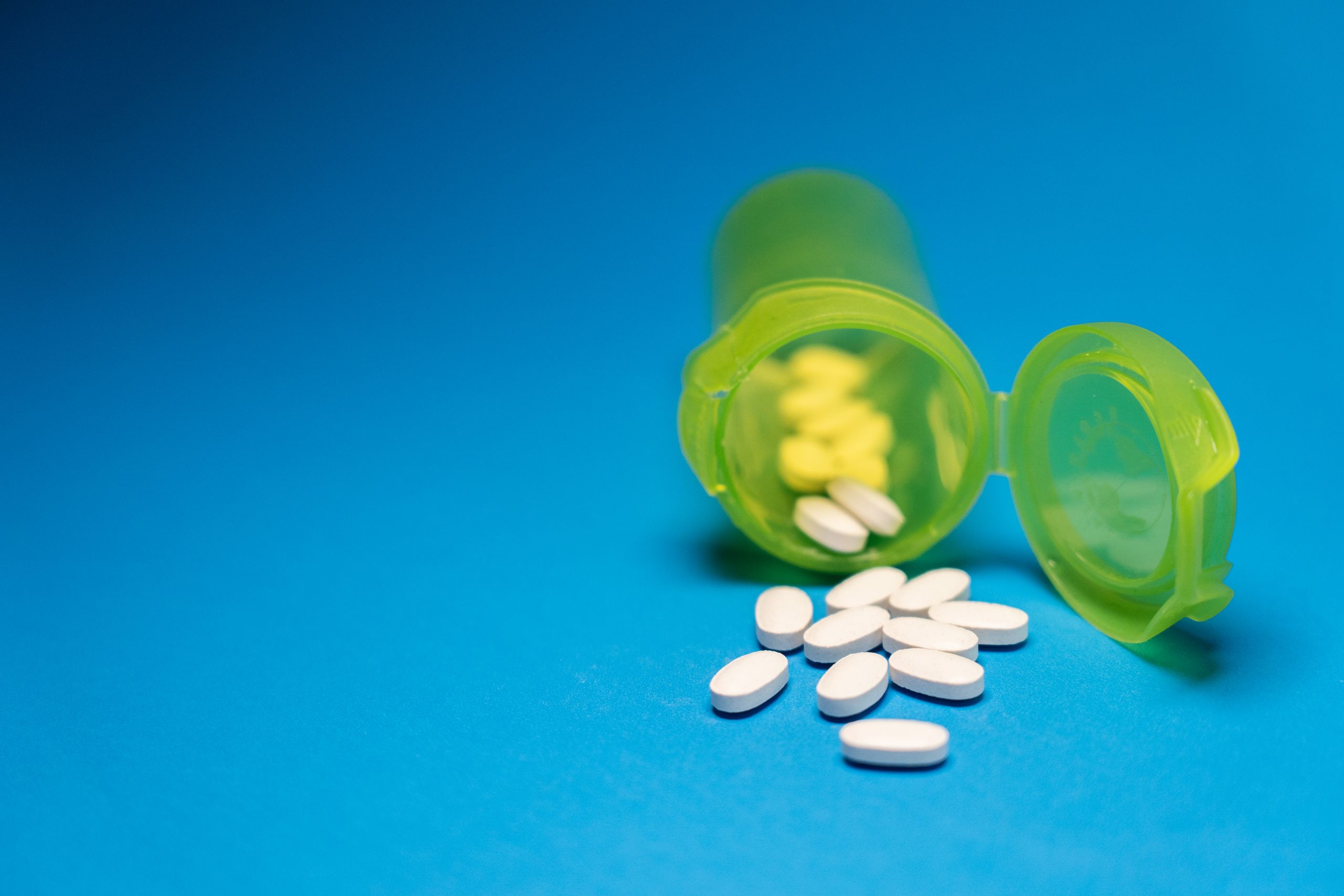
The recall is narrowly limited to four lots of 5 mg cetirizine tablets manufactured by Unique Pharmaceutical Laboratories and distributed by Rising Pharma. Each affected bottle contains 100 tablets and carries the National Drug Code. We should compare all three identifying details, the product name, lot number, and expiration date, with the information on the bottle. The NDC offers an additional confirmation. The FDA notice does not describe a recall of every cetirizine product or every generic equivalent of Zyrtec.
It specifically identifies the four Rising Pharma lots listed above. Brand-name Zyrtec is not named in the notice, nor are cetirizine liquids, chewable products, or 10 mg tablets. The announcement does not provide a list of individual stores or pharmacy chains that received the medicine. Consumers who received tablets in a pharmacy dispensing bottle without the manufacturer’s original label may need to ask the dispensing pharmacy to check its records.
A Pharmacy Technician Spotted Red Marks on the Tablets
The issue came to light during an ordinary pharmacy task. According to the recall announcement, a pharmacy technician noticed a red dot on some tablets while counting them for dispensing. Other tablets appeared discolored because they contained multiple red-colored dots. That visual discrepancy led to a product complaint and concerns that cetirizine tablets may have been cross-contaminated with ranitidine, a medicine historically used to reduce stomach acid and treat conditions such as heartburn.
The discovery highlights why we should not assume every pharmaceutical quality problem will be detected before a product reaches a pharmacy. In this case, a technician’s attention to an unexpected change in tablet appearance triggered the complaint behind the recall. However, consumers should rely on the bottle’s lot information, not appearance alone, to determine whether their medicine falls within the recall. The notice does not say every tablet in the affected lots will have visible red dots. It also does not say that an unmarked tablet from one of the recalled lots is safe to use.
Why Ranitidine Cross-Contamination Could Be Dangerous
The immediate concern identified in this recall is the possibility of a serious hypersensitivity reaction. The company said a person who is hypersensitive to ranitidine ingredients could experience severe allergic symptoms after taking contaminated cetirizine. Potential reactions include:
- A dangerous fall in blood pressure
- Shortness of breath
- Difficulty swallowing
- Swelling of the throat or face
- Widespread itching
- Hives
- Loss of consciousness
- Anaphylaxis
These symptoms can become life-threatening. Anyone experiencing difficulty breathing, facial or throat swelling, fainting, or another severe reaction should seek emergency medical assistance. Cetirizine itself is an antihistamine used to temporarily relieve symptoms associated with hay fever and other upper-respiratory allergies.
Those symptoms can include sneezing, a runny nose, itchy or watery eyes, and itching in the nose or throat. Standard cetirizine labeling also warns people with a history of allergic reactions to cetirizine, its ingredients, or hydroxyzine-containing antihistamines not to use the product, according to the National Library of Medicine’s DailyMed database.
This Recall Is Different From the Earlier Ranitidine Withdrawal
Ranitidine may be familiar because the FDA requested the removal of all ranitidine products from the U.S. market in April 2020. That earlier action followed an investigation into N-nitrosodimethylamine, commonly called NDMA. FDA testing indicated that NDMA levels in some ranitidine products could increase over time and when stored at temperatures above room temperature.
The agency determined that certain products could expose consumers to unacceptable levels of the probable human carcinogen and requested the withdrawal of prescription and over-the-counter ranitidine medicines. The FDA explains that earlier decision here. We should not automatically combine that older issue with the newly announced cetirizine recall.
The July 2026 notice identifies potential cross-contamination with ranitidine and focuses its risk statement on severe hypersensitivity reactions. It does not state that the recalled cetirizine lots were tested and found to contain an unsafe concentration of NDMA. It also does not present the current recall as a cancer-risk alert. That distinction matters. The recall is serious, but its documented risk should be described precisely.
What Consumers Should Do With the Recalled Allergy Medicine
Rising Pharma has notified its distributors and direct customers by email and is arranging the return of recalled products. Consumers who find a matching bottle should contact Rising Pharma for recall and return instructions. The company can be reached at 1-844-874-7464, from 8 a.m. to 5 p.m. Eastern time, Monday through Friday.
Questions may also be emailed to:
- pv@risingpharma.com
- qa@risingpharma.com
Anyone who has experienced a medical problem that may be connected to the medicine should contact a physician or another qualified healthcare provider. Consumers should share the product name, dosage, lot number, expiration date, and timing of any symptoms. If the tablets were transferred into a pharmacy-labeled container and the lot number is missing, we should contact the pharmacy that dispensed them.
The pharmacy may be able to trace the prescription or purchase history to determine whether the tablets came from an affected lot. People who depend on cetirizine for allergy control can also ask a pharmacist or clinician about an unaffected replacement. The recall concerns the identified lots rather than cetirizine as an active ingredient.
How to Report a Reaction or Product Quality Problem
Consumers and healthcare professionals can report suspected reactions or medicine-quality problems through the FDA MedWatch program. Reports can be submitted online. Consumers may also request a reporting form by calling 1-800-332-1088. Completed forms can be mailed using the provided instructions or faxed to 1-800-FDA-0178. A MedWatch report does not replace medical care. Its purpose is to give federal regulators information about serious reactions, product defects, medication errors, and other safety concerns that may require investigation.
What We Know About the Nationwide Cetirizine Recall
The clearest takeaway is that this is a targeted recall involving four lots, not a nationwide rejection of all generic allergy medicine. We know the affected product is Rising Pharma’s Cetirizine Hydrochloride Tablets USP, 5 mg, packaged in 100-count bottles. We know all four lots expire in October 2028. We also know a pharmacy technician reported red dots and discoloration that prompted concern about ranitidine cross-contamination.
No related adverse events had been reported as of the recall announcement. Still, the potential for anaphylaxis and other severe hypersensitivity reactions makes checking the label important, particularly for people with a known sensitivity to ranitidine ingredients.
A brief review of the bottle’s lot number can settle the most urgent question. If the number matches GY825029, GY825030, GY825031, or GY825032, the next step is to contact Rising Pharma or the dispensing pharmacy and follow the official return instructions.
If you like what you just read, then subscribe to our newsletter and follow us on social media.