

This article was originally published on Crafting Your Home. A human contributor also wrote and edited the post.
The race to fill South Carolina’s open Senate seat is heating up, but one of the most powerful Republicans in Washington is choosing to stay on the sidelines.
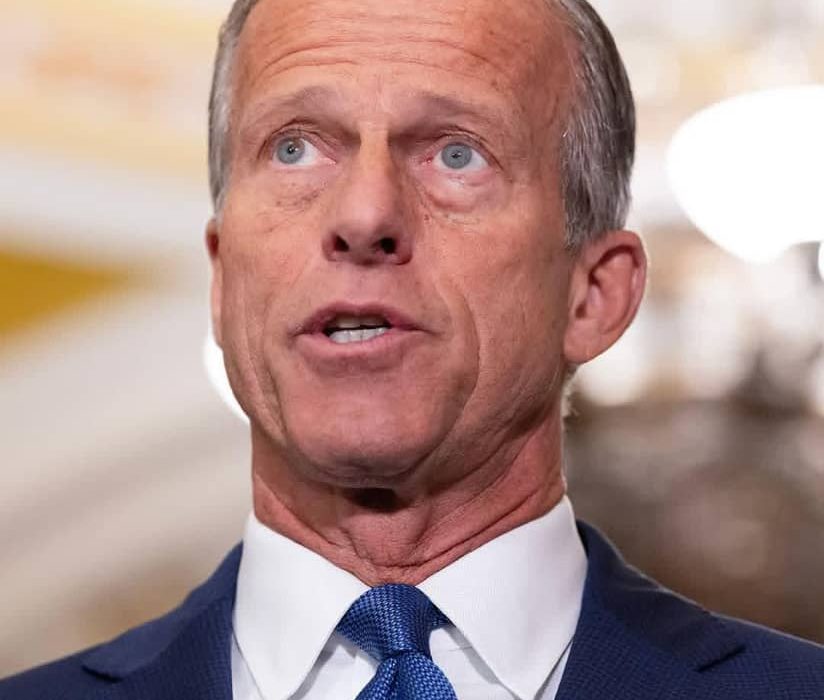
Senate Majority Leader John Thune announced that he will not endorse a candidate in the Republican contest to succeed the late Sen. Lindsey Graham, saying his involvement would not be helpful in the crowded race.
Thune’s decision is notable because, as the leader of Senate Republicans, his endorsement could carry significant influence among GOP voters and candidates.
Instead, he has chosen to remain neutral as Republicans compete for the nomination.
The opening came after Lindsey Graham’s death, creating a rare political scramble for a Senate seat that had been held by a nationally recognized Republican figure for years.
Rather than immediately backing one contender, Thune has focused on respecting the process and allowing South Carolina voters to decide.
The move highlights the unusual dynamics of a Senate race that combines a sudden vacancy, a crowded Republican field, and national political attention.
Lindsey Graham’s Seat Draws Republican Competition
Lindsey Graham’s longtime Senate seat quickly became the center of a major Republican contest after his death.
Darline Graham Nordone, Graham’s sister, was appointed to temporarily serve in the Senate and later announced that she would run for a full term.
Her entry into the race changed the political landscape, especially after receiving support from former President Donald Trump.
Other Republicans have also entered the competition, including members of Congress seeking the seat and hoping to appeal to South Carolina’s conservative voters.
The race has already created a familiar Republican primary battle: one candidate backed by a powerful national figure, challengers emphasizing their own conservative credentials, and voters deciding which direction they want the party to take.
For Thune, staying neutral avoids placing the Senate leadership behind one candidate while the Republican field continues to develop.
His decision also reflects the challenges party leaders face when multiple candidates have strong support within the same political base.

Why Thune’s Decision Matters for the GOP
Political endorsements can shape elections by influencing fundraising, media attention, and voter perceptions.
A public endorsement from a Senate leader can signal which candidate has support from Washington’s Republican establishment.
But Thune’s choice suggests he believes the race should be decided by South Carolina voters rather than party leadership. His position also avoids creating tension among Republicans who are competing for the same seat.
The South Carolina contest will likely receive national attention because control of the Senate remains a major political issue.
Every Senate seat carries importance, especially in closely divided chambers where a single race can affect the balance of power.
For Republicans, the goal is to keep the seat in the party’s column. For candidates, the challenge is proving they can carry forward Graham’s political legacy while offering their own vision.
For now, Thune is watching from the sidelines.
A Race with Big Stakes and Many Questions Ahead
The fight to replace Lindsey Graham is still developing, and much can change before voter’s head to the polls.
Candidates will have to build support, explain their priorities, and convince Republican voters that they are the right choice.
The race also comes with the added challenge of following a senator who built a national reputation for decades in Washington.
Graham was known for his influence on foreign policy, national security, and conservative politics, making the seat especially significant for Republicans.
As the contest moves forward, the biggest question will be whether voters choose continuity with Graham’s political approach or a candidate offering a different direction.
One thing is already clear: John Thune does not plan to decide that choice for them.
By refusing to endorse a candidate, the Senate leader has sent a message that the battle for Graham’s seat will be settled at the ballot box.
If you like what you just read, then subscribe to our newsletter and follow us on social media.


