This article was originally published on Crafting Your Home. A human contributor also wrote and edited the post.
A sweeping change to two of Utah’s most iconic national monuments has reopened one of America’s deepest debates: who controls the nation’s public lands, and what should be protected for future generations?
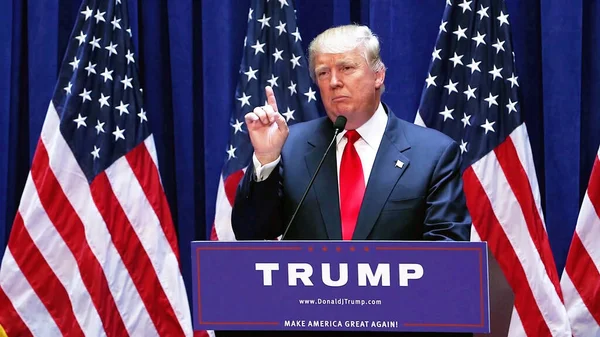
President Donald Trump’s move to significantly shrink the protected areas of Utah’s Bears Ears and Grand Staircase-Escalante national monuments has sparked a heated national debate over the fate of millions of acres of public land across southern Utah.
The move affects landscapes filled with ancient cliff dwellings, mysterious rock art, rare fossils, towering canyons, and culturally significant sites that Native American tribes have protected for generations.
It also opens a new chapter in the long-running conflict between conservation advocates who want these areas preserved and supporters who believe more public land should be available for energy production, mining, and economic development.
A Historic Land Shift That Could Redefine Presidential Power Over Public Lands
Trump’s decision reduces protections across Bears Ears and Grand Staircase-Escalante by nearly 1.5 million acres each, removing federal monument protections from vast portions of land that had previously been preserved.
That action sparked a legal battle that reached the courts and raised a major question that remains unsettled: can a president who creates a national monument also remove its protections?
The 1906 Antiquities Act gives U.S. presidents the authority to establish national monuments to safeguard places of significant historical value, archaeological discoveries, cultural importance, or scientific interest. Since President Theodore Roosevelt signed the law, presidents from both political parties have used it to protect some of America’s most treasured landscapes.
However, supporters of Trump’s decision argue that the law was never intended to allow presidents to lock away millions of acres without local approval.
Utah officials have long argued that some monument boundaries were unnecessarily large and prevented communities from accessing valuable natural resources.
Bears Ears Is More Than a Desert Landscape: It Is a Living Tribal Heritage Site

Among all national monuments in America, Bears Ears holds a unique place because it was created after a historic effort by Native American tribes to protect ancestral lands.
The monument was established in 2016 after years of advocacy from the Bears Ears Inter-Tribal Coalition, which included the Navajo Nation, Hopi Tribe, Pueblo of Zuni, Ute Mountain Ute Tribe, and Uintah and Ouray Ute Tribe.
For these communities, Bears Ears is not simply a scenic destination or a collection of archaeological sites.
The landscape contains ancient villages, ceremonial areas, burial sites, and cultural resources that reflect thousands of years of Indigenous history across the Colorado Plateau.
Tribal leaders have argued that protecting Bears Ears means protecting stories, traditions and connections that cannot be replaced once lost.
Many Native communities also worry about the threat of looting and damage to archaeological resources if protections are weakened.
Ancient Secrets Beneath Utah’s Red Rock Country Face a New Uncertain Future
The landscapes affected by the monument reductions contain some of the most remarkable archaeological and geological treasures in the American West.
Bears Ears contains ancient cliff dwellings, pottery fragments, rock shelters, and petroglyphs that reveal how Indigenous communities lived across the region.
Some archaeological experts believe many important sites remain undiscovered because the area encompasses such a vast, remote landscape.
Established during President Bill Clinton’s administration in 1996, the monument protects a dramatic landscape of towering cliffs, deep canyons, natural arches and geological formations that record millions of years of Earth’s history.
The area has produced significant dinosaur discoveries and remains an important location for scientists studying prehistoric life.
Unlike traditional parks that protect a single famous landmark, national monuments often preserve entire ecosystems and surrounding landscapes.
Why Utah Leaders Wanted Monument Boundaries Reduced
The push to shrink the monuments has been driven largely by concerns over economic opportunities and local control.
Utah officials have argued for years that the federal government has too much authority over land inside the state.
Supporters of the reductions say communities closest to these landscapes should have a stronger voice in how the land is managed.
The area around Bears Ears has long been associated with uranium mining, a resource that became especially important during the Cold War era.
Grand Staircase-Escalante also contains coal resources that have attracted interest from supporters of expanded domestic energy production.
Supporters of the changes argue that America needs access to critical minerals and energy resources, especially as global competition for resources increases.
The Energy Debate Behind Utah’s Monument Fight
The controversy surrounding Bears Ears and Grand Staircase-Escalante reflects a larger national conversation about America’s energy future.
The United States controls vast amounts of public land, particularly throughout western states. These areas contain resources used for energy, manufacturing, and technology.
Advocates for expanded development argue that domestic resources can help reduce reliance on foreign supplies and support American industries.
The Trump administration has emphasized increasing access to federal lands for energy production, mining, and infrastructure projects.
They argue that opening protected landscapes to extraction could permanently damage archaeological sites, wildlife habitats and natural ecosystems.
Local Communities Are Caught Between Tourism and Resource Development
- Outdoor recreation
- Guided hiking tours
- Lodging
- Restaurants
- Equipment rentals
- Photography
They point to the growth of outdoor recreation across the American West as evidence that conservation can support local economies.
They argue that restrictions on mining, energy development, and land use decisions can limit options for rural communities.
A Legal Battle Could Decide the Future of National Monuments
Environmental organizations and conservation advocates have argued that the president does not have unlimited authority to reduce national monuments after they have been established.
If courts allow presidents to significantly reduce monuments, future administrations could potentially reverse major conservation decisions made by previous leaders.
The outcome could affect public lands far beyond Utah.
A Battle Over Land, History and America’s Legacy
It is about how Americans define the value of land.
For energy supporters and local officials, they represent opportunities for economic growth and resource independence.
The millions of acres affected by this decision carry stories written into stone, fossils, ancient villages, and desert canyons.
The question now facing the nation is whether those stories will remain protected as they are today or become part of a new chapter in America’s long-running struggle between preservation and progress.
If you like what you just read, then subscribe to our newsletter and follow us on social media.