


new wave of polling shows that the first political battle over the U.S. strikes on Iran is not being fought only in Tehran, Washington, or the Persian Gulf. It is being fought inside American living rooms, where voters are weighing a familiar question with fresh urgency: did the United States just enter another Middle East conflict without a clear exit?
The numbers are striking. Nearly six in ten Americans disapprove of the U.S. decision to take military action in Iran, while a majority believe a long-term military conflict between the two countries is at least somewhat likely. The poll, conducted by SSRS from February 28 to March 1 among 1,004 adults, found 59% disapproval, 41% approval, and a margin of sampling error of plus or minus 3.9 percentage points.
That finding does more than measure public discomfort. It exposes a deeper national divide over presidential war powers, trust in President Donald Trump’s judgment, the limits of diplomacy, and the fear that one round of airstrikes could become something much larger. Here are the key reasons the Iran strikes have become a political stress test for Trump, Congress, and a country tired of open-ended conflict.
The Poll Shows a Country Unconvinced by the Iran Strike Argument
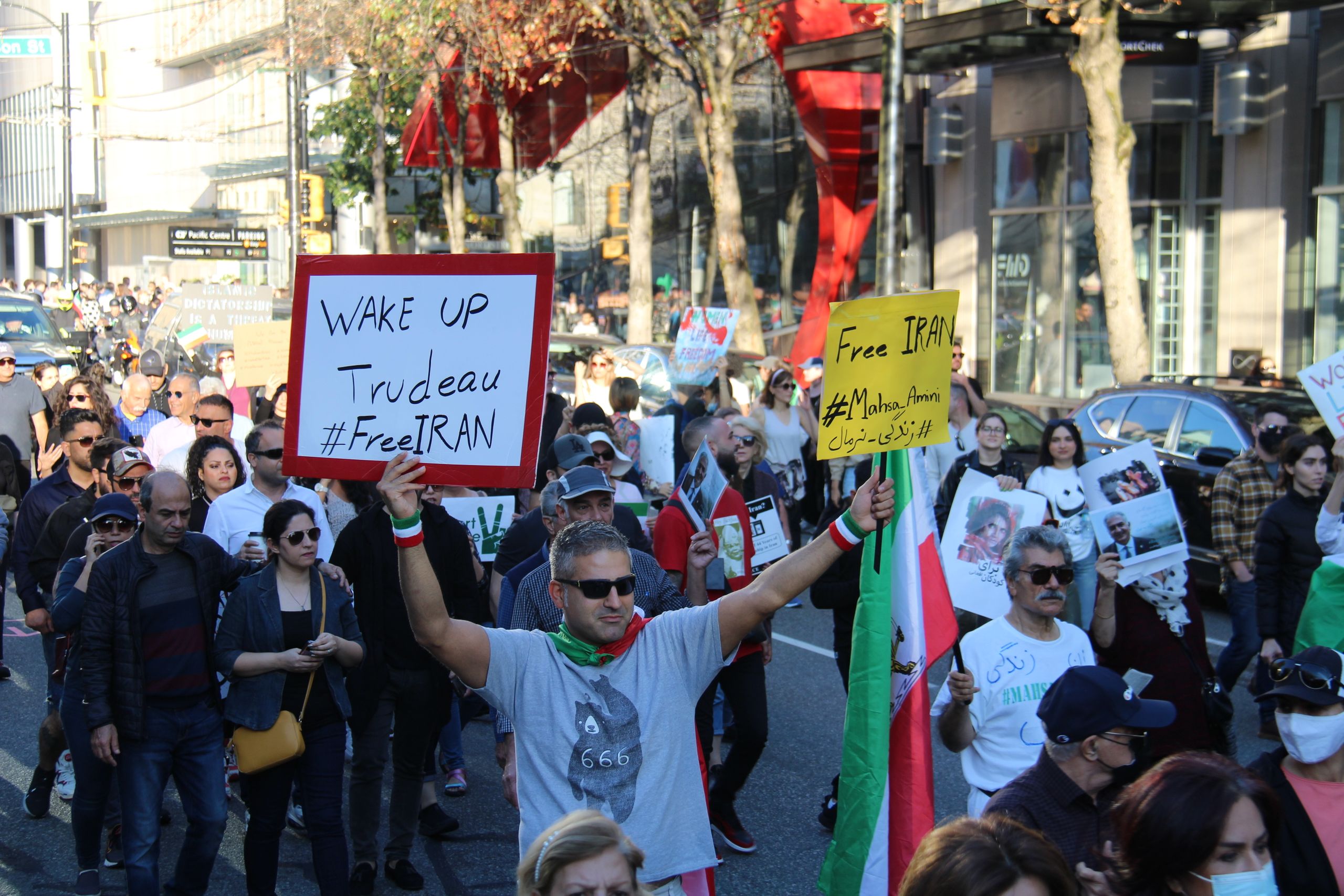
The central message from the polling is clear: Americans may distrust Iran, but many are not convinced that military action made the United States safer.
The SSRS poll found that 54% of Americans believe Iran will become more of a threat to the United States because of the military action, while only 28% believe the strikes will make Iran less of a threat. That is the political danger zone for any president ordering military force. Public support becomes harder to sustain when voters suspect the action may increase the high risk it was supposed to reduce.
The intensity of opposition also matters. Strong disapproval outweighed strong approval, 31% to 16%, showing that opponents are not merely hesitant. Many are firmly against the decision.
This is not the same as public sympathy for Tehran. The American public has long viewed Iran as hostile. The problem for the White House is different: voters can see Iran as dangerous while still doubting that U.S. strikes are the right answer. That distinction is the heart of the political challenge.
Fear of a Long-Term U.S.-Iran Conflict Is Driving the Backlash
The poll’s most politically explosive result may be the public’s expectation of escalation. A 56% majority said a long-term military conflict between the United States and Iran is likely, including 24% who described that outcome as very likely.
That fear undercuts the administration’s effort to frame the strikes as limited, controlled, or strategically contained. Trump told news that he did not want the war to continue too long and said he had thought it would last “four weeks.” But once a president starts talking in weeks, voters begin asking what happens in month two, month six, and year two.
The American memory of the Middle East conflict is not theoretical. Iraq, Afghanistan, Syria, Libya, and years of regional military commitments have left voters skeptical of promises that force can be brief, clean, and decisive. The poll suggests that skepticism is now shaping public reaction to Iran.
Americans Want Congress Involved Before More Military Action
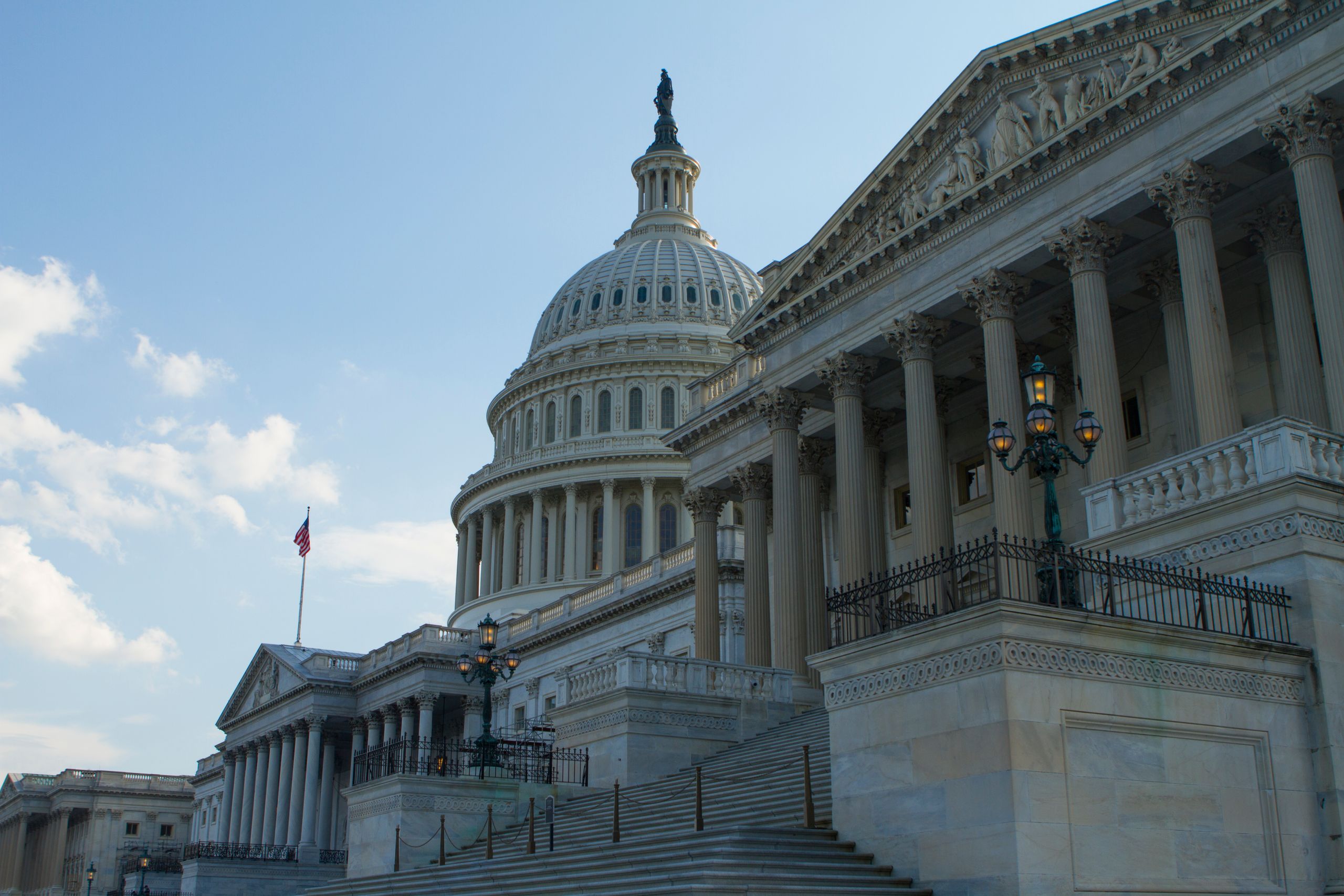
One of the clearest findings is that Americans do not want the president acting alone if the conflict expands. The poll found that 62% believe Trump should get congressional approval before any further military action in Iran.
That concern fits directly into the broader debate over the War Powers Resolution. The 1973 law says presidential power to introduce U.S. forces into hostilities is exercised under a declaration of war, specific statutory authorization, or a national emergency created by an attack on the United States, its territories, possessions, or armed forces. It also requires consultation with Congress in all instances.
Congress initially did not stop the campaign. On March 4, the Senate voted 53-47 against advancing a resolution that would have limited Trump’s Iran war powers. The next day, the House rejected a similar effort by a 219-212 vote, largely along party lines.
But the politics shifted as the conflict dragged on. By June, both chambers had moved in the opposite direction. The House passed a resolution directing the president to remove U.S. forces from hostilities with Iran by a 215-208 vote. The Senate later approved the measure 50-48, with four Republicans joining most Democrats.
That evolution matters. In March, congressional Republicans largely stood with Trump. By June, enough lawmakers had broken away to signal that the public’s unease had reached Capitol Hill.
The Ground Troops Question Reveals a Hard Limit in Public Support
The poll found that only 12% of Americans supported sending U.S. ground troops into Iran, while 60% opposed the idea and 28% were unsure.
That is the sharpest boundary in the public mood. Voters may disagree about airstrikes, sanctions, deterrence, or diplomacy, but there is far less appetite for a large troop commitment. Even among Republicans, support for sending ground troops was limited: 27% favored it, 38% opposed it, and 35% were unsure.
That Republican uncertainty is politically important. Trump’s strongest support on Iran comes from within his own party, but the poll shows that even many Republicans hesitate when the question moves from airpower to boots on the ground. The president’s base may approve of a strike. It is far less clear that it wants a land war.
Republican Support Is Strong, but Not Unlimited
The partisan split is enormous. USA poll found that 77% of Republicans approved of the military action, compared with 32% of independents and 18% of Democrats.
That gives Trump a powerful foundation inside his party. But it also highlights the broader danger. If independents remain deeply skeptical, the Iran conflict could become a midterm liability rather than a commander-in-chief advantage.
The same divide appears in perceptions of Trump’s strategy. The poll found that six in ten Americans said Trump does not have a clear plan for handling Iran. Nearly nine in ten Democrats and seven in ten independents said he lacked a clear plan, while more than eight in ten Republicans said he had one.
That is not just a disagreement over policy. It is a disagreement over trust. For Trump’s supporters, the strikes may look like strength. For his critics and many independents, they look like a risk without a visible roadmap.
Other Polls Point in the Same Direction
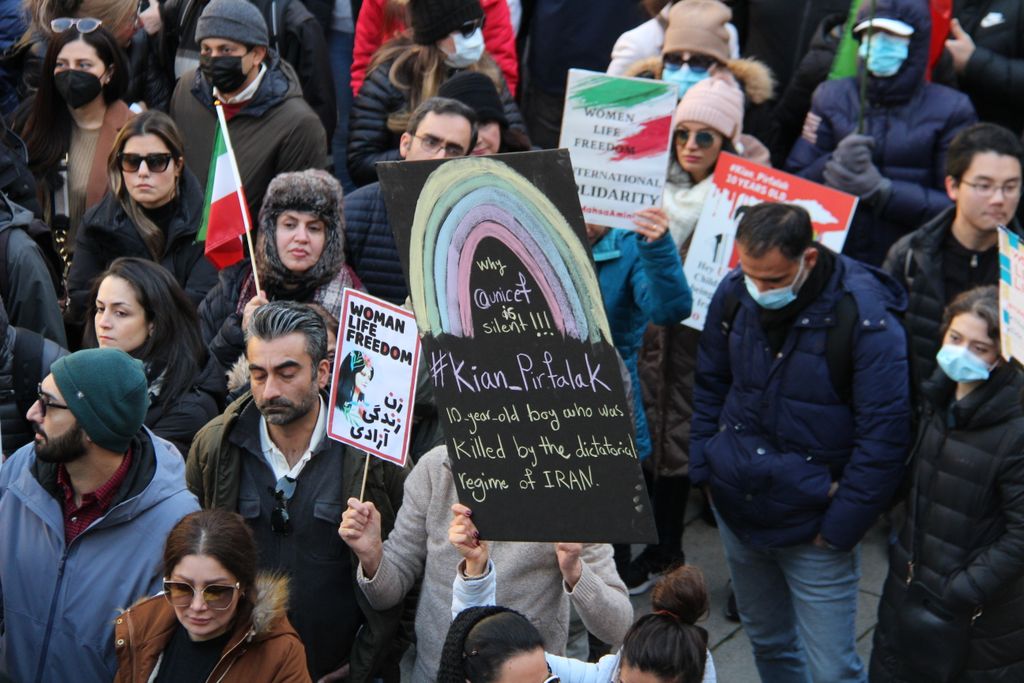
The news poll is not an outlier. Other early polling after the strikes also showed weak public support.
A Washington Post poll conducted March 1 found 52% of Americans opposed Trump’s airstrikes against Iran, while 39% supported them and 9% were unsure. A Reuters/Ipsos poll conducted from February 28 to March 1 found Americans opposed the strikes 43% to 27%, with 30% unsure or skipping the question.
Those differences reflect the wording and timing of the questions, but the overall pattern is consistent: Americans were not rallying behind the strikes in large numbers. They were cautious, divided, and worried about where the conflict could lead.
A later Reuters report showed the concern deepening, with just one in four Americans saying the war against Iran was worth its costs and a majority worrying that a truce with Tehran was unlikely to last.
That is the difference between a short-term polling problem and a long-term political problem. The longer a conflict continues, the more voters judge it by cost, clarity, casualties, and results.
Diplomacy Is Now Part of the Political Argument
One of the most damaging findings for the administration is that only 27% of Americans believed the United States made a sufficient effort at diplomacy before using force, while 39% said the U.S. did not try hard enough and 33% were unsure.
That uncertainty gives critics room to argue that the strikes were premature. It also complicates the White House’s message because a large share of the public is not convinced it has seen the full evidence or the full diplomatic timeline.
In conflicts involving Iran, diplomacy is never simple. Tehran’s regional influence, nuclear ambitions, proxy networks, and long history of hostility toward Washington make negotiations difficult. But voters are not asking whether Iran is easy to negotiate with. They are asking whether the U.S. exhausted realistic alternatives before opening a military campaign.
That question will keep resurfacing if the administration seeks more funding, expands targets, or asks Americans to accept prolonged risk.
The War Powers Fight Has Become Bigger Than Iran
The Iran debate is also becoming a constitutional argument about who gets to take America to war.
Supporters of congressional action say the Constitution gives Congress the power to declare war and that the president should not be able to sustain hostilities without authorization. Critics of the war powers push argue that the president must retain flexibility to protect U.S. forces and respond quickly to threats.
The March votes showed Congress reluctant to restrain Trump at the beginning of the conflict. The June votes showed that patience is thinning. Reuters reported that the Senate’s June vote marked the first time both chambers had passed a resolution directing a president to remove U.S. armed forces from hostilities since the War Powers Resolution was enacted in 1973.
Whether that resolution has binding legal force remains contested. Reuters reported that legal experts saw the issue as unsettled, while the White House argued the vote had no legal significance.
Politically, however, the symbolism is unmistakable: the Iran conflict has reopened one of Washington’s oldest battles, the struggle between presidential authority and congressional control over war.
Why the Iran Poll Could Shape the 2026 Midterms
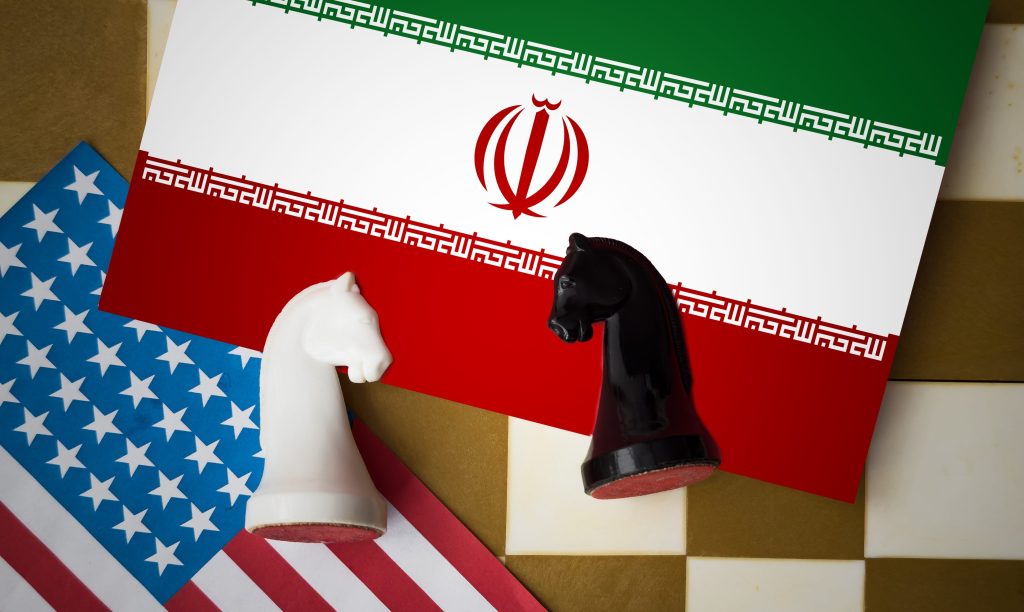
Foreign policy rarely dominates midterm elections unless Americans feel the cost at home. Iran could become an exception if the conflict affects gas prices, military families, regional stability, congressional spending, or broader trust in Trump’s leadership.
For Republicans, the danger is not that the party base immediately abandons Trump. The danger is that independents and softer Republican voters grow tired of defending a conflict they never fully supported. The poll already showed independents disapproving of the strikes by a wide margin.
For Democrats, the opportunity is clear but delicate. They can argue that Trump bypassed Congress, lacked a plan, and risked another long Middle East war. But they must also avoid appearing dismissive of Iran’s threat or indifferent to U.S. security.
The winning political message may not be anti-military. It may be anti-drift: no blank check, no unclear mission, no ground war, no endless escalation.
The Bottom Line: Americans Fear Mission Creep More Than They Fear Tough Talk
The poll captures a country that is not naïve about Iran but is deeply wary of another conflict without a clear endpoint. Americans understand that Iran poses serious challenges. What they do not appear ready to accept is a military campaign that expands faster than the public explanation for it can keep pace with.
The numbers tell a disciplined story. Most Americans disapprove of the strikes. Most think a long-term conflict is likely. Most want Congress involved before further action. Most oppose sending ground troops. Most are not convinced the strikes will make Iran less threatening.
That combination leaves Trump with a narrow path. He must prove the strikes achieved a concrete security goal, prevent the conflict from widening, satisfy demands for congressional accountability, and keep his own party unified while independents remain skeptical.
The Iran strikes were sold as a show of strength. The polling shows many Americans see something else: the opening chapter of a conflict they are not sure Washington knows how to end.


