Kroger is moving deeper into regional grocery dominance with a new $1.65 billion agreement to acquire Giant Eagle, a long-standing family-owned supermarket chain rooted in the Midwest and Mid-Atlantic.
The deal, announced this week, includes $1.25 billion in cash and the assumption of about $400 million in liabilities, marking one of Kroger’s most significant expansion moves since its failed merger attempt with Albertsons.
A Regional Grocery Giant Gets Absorbed
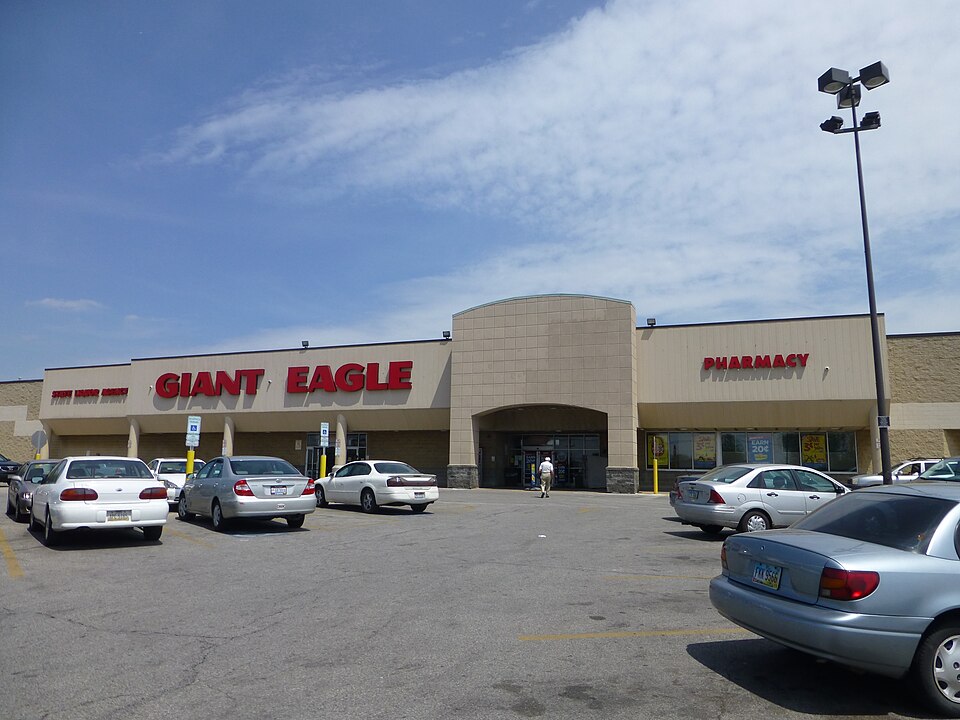
Giant Eagle is not a small player. The Pittsburgh-based retailer operates 197 supermarkets and 11 pharmacies, generating roughly $9 billion in annual sales.
For decades, it has built strong customer loyalty through neighborhood grocery stores, pharmacy services, fuel rewards programs, and private-label offerings that dominate in many local communities.
Kroger says that strength is exactly what it is buying.
Why Kroger Wants This Deal Now
The U.S. grocery sector has become increasingly competitive, with pressure coming from Walmart, Costco, Aldi, Amazon, and rapidly expanding discount chains.
At the same time, inflation-sensitive shoppers are shifting toward lower prices, loyalty rewards, and online ordering options.
Kroger is betting that Giant Eagle’s established customer base will give it a stronger position in markets where brand loyalty still matters as much as price.
Stores Likely to Stay Familiar, For Now
Kroger has indicated that the Giant Eagle brand is expected to remain in place after the acquisition closes, suggesting the company is not planning an immediate rebranding or store conversion.
Regulatory Review Ahead
The deal is expected to close in 2027, but only after regulatory approval.
That scrutiny is not unexpected.
Kroger’s previous attempt to merge with Albertsons collapsed after legal challenges and regulatory pushback raised concerns about reduced competition and potential price impacts.
Financial Strategy Behind the Acquisition
Kroger says the deal is expected to be accretive to adjusted earnings per share in the second full year after closing, excluding one-time integration costs.
- Its $2 billion share repurchase program
- Its dividend policy
- A net debt-to-EBITDA target range of 2.3 to 2.5 times
What This Means for Shoppers
For consumers, the impact could go in two directions.
On the other hand, consolidation in the grocery sector often raises concerns about reduced competition, fewer independent operators, and less local decision-making power in pricing and product selection.
A Bigger Shift in Grocery Power
This acquisition highlights a broader trend: the steady consolidation of regional grocery chains into a smaller number of national players.
Rather than building entirely new store networks, large retailers are increasingly buying established regional brands with loyal customer bases and strong infrastructure already in place.