
West Hollywood, California, has removed Home Depot from a preferred city purchasing list after elected leaders raised concerns about immigration enforcement activity near the retailer’s stores, turning a local vendor vote into a broader test of public spending, corporate responsibility and privacy.
The City Council acted Monday after concerns were raised about Home Depot’s alleged cooperation with federal immigration enforcement, though the company has denied coordinating with ICE, Customs and Border Protection or other federal agencies. The decision removes Home Depot from the approved vendor list, but it does not create a complete ban on city purchases from the retailer.
City Spending Becomes the Pressure Point
West Hollywood’s move affects the city’s cooperative purchasing system, which allows staff to buy from approved vendors more easily because those companies have already been vetted by other public agencies. Before the vote, city purchases of up to $25,000 could be authorized through that route for Home Depot.
The change means Home Depot no longer gets that shortcut. City departments may still buy from the company, but purchases would likely undergo a more standard review process rather than moving automatically through the city’s preferred vendor channel.
That makes the vote both symbolic and practical. West Hollywood is not shutting every door on Home Depot. It is signaling that the company should not receive easier access to public spending while elected officials still have questions about immigration enforcement activity tied to its locations.
Home Depot Pushes Back on ICE Claims

Home Depot has publicly rejected the idea that it helps plan or support immigration raids. The company says it is not involved in immigration enforcement operations and does not coordinate with ICE, CBP, or other federal agencies regarding those actions.
The retailer also says federal agents do not need a warrant to enter its stores and parking lots because those areas are publicly accessible. That explanation puts Home Depot in a difficult position: it argues it does not invite raids, but it also says it cannot fully control law enforcement activity in open retail spaces.
Home Depot says employees are instructed not to engage with active law enforcement operations for safety reasons. The company also says it complies with federal and local laws in the communities where it does business.
Why Parking Lots Became the Flashpoint
Home Depot parking lots have long been informal gathering places for day laborers seeking construction, landscaping, and repair work. Contractors and homeowners often arrive early to buy supplies, making the stores natural meeting points for people looking for short-term jobs.
That routine has made some locations highly visible to immigration authorities. In Los Angeles County, federal agents detained people near multiple Home Depot stores during enforcement activity that drew public criticism and protests around three Home Depot stores.
A separate enforcement action near a Hollywood Home Depot brought renewed attention to the risks faced by vendors, customers, and day laborers who use the area for work or shopping. The incident intensified concerns that ordinary retail spaces are becoming immigration-enforcement zones, as seen at the Hollywood Home Depot. For families and workers, that changes the meaning of a parking lot. A place to buy lumber, paint, or tools can also become a place where people fear detention, questioning, or separation from relatives.
Privacy Concerns Add Another Layer
The West Hollywood decision also lands amid growing questions about parking lot surveillance. Home Depot says it does not grant federal law enforcement access to its license plate reader information and says those systems are used for theft prevention and safety. The concern is that vehicle data collected for retail security can still become sensitive information. Shoppers may not think a quick trip to buy supplies could create a record of where they were, when they arrived, and how often they returned.
Local Action With Wider Consequences
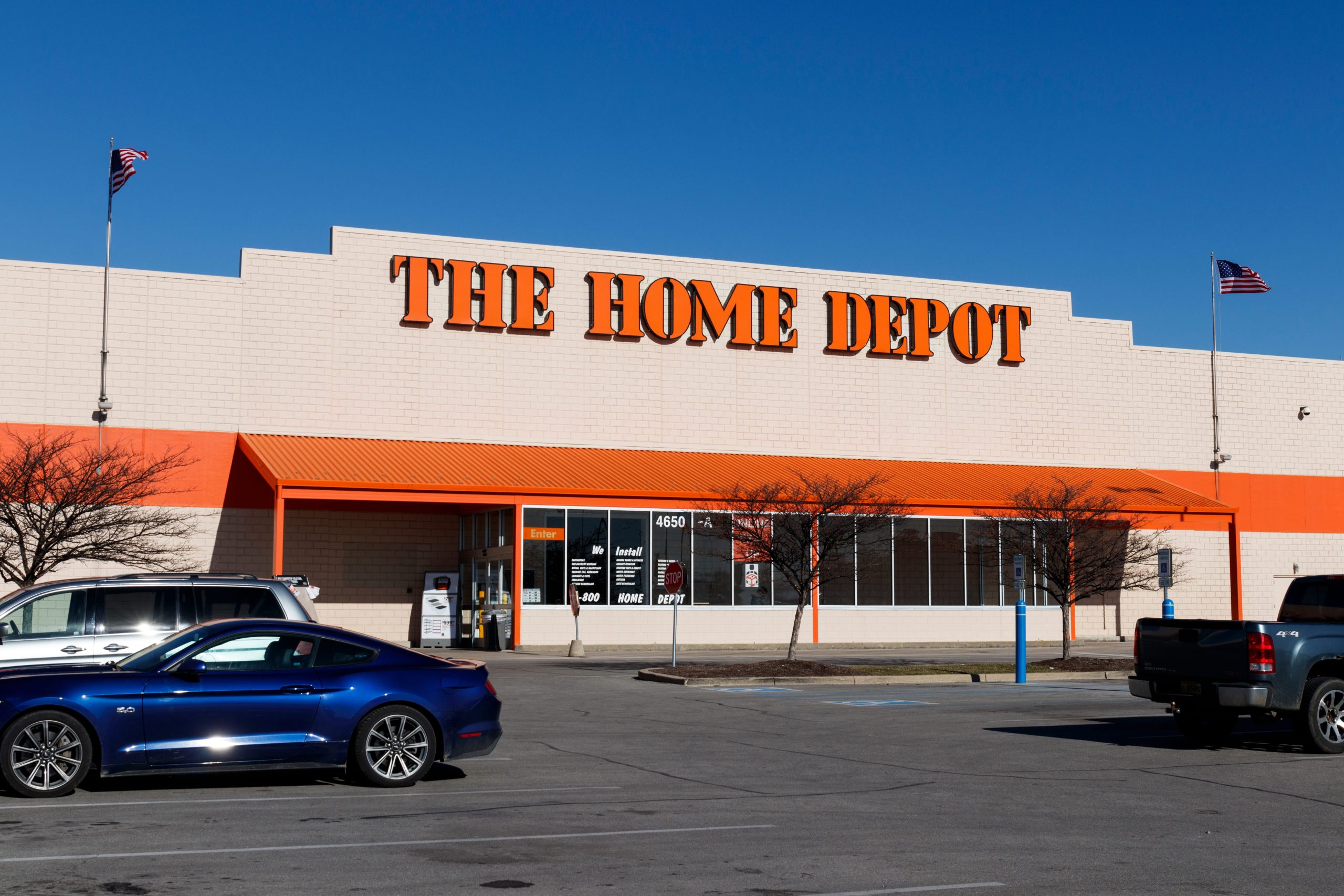
West Hollywood is a small city, but its decision could influence a larger conversation across California and other parts of the country. Local governments often use purchasing rules to express public values when they have limited authority over federal policy. The city cannot direct ICE or CBP. It can, however, decide which companies receive easier access to municipal purchasing.
That gives procurement policy a new role in the immigration debate. A vendor list that usually attracts little public attention can become a tool for pressure when residents believe a corporation is too close to federal enforcement activity or not transparent enough about its practices.
The Legal Question Remains Complicated
That creates a narrow legal argument but a much broader public trust problem. Even if a company does not invite federal agents, residents may still expect it to clarify its policies, protect customer information, and explain what it will or will not do when enforcement activity occurs on its property.
A Vendor Vote With a Bigger Message
The Home Depot dispute now sits at the intersection of immigration, privacy, and taxpayer accountability. For West Hollywood, the question is whether city spending should remain easy for a company facing concerns over enforcement activity near its stores.
For Home Depot, the challenge is proving that its policies are clear enough to satisfy workers, shoppers, investors, and local governments. Denying coordination may answer one part of the controversy, but it does not fully settle concerns over parking lot raids, license plate data, and community trust.
The larger lesson is that ordinary spaces are no longer politically neutral when national enforcement battles reach them. A hardware store parking lot can become a workplace, a surveillance concern, a protest site, and a city spending issue all at once.