


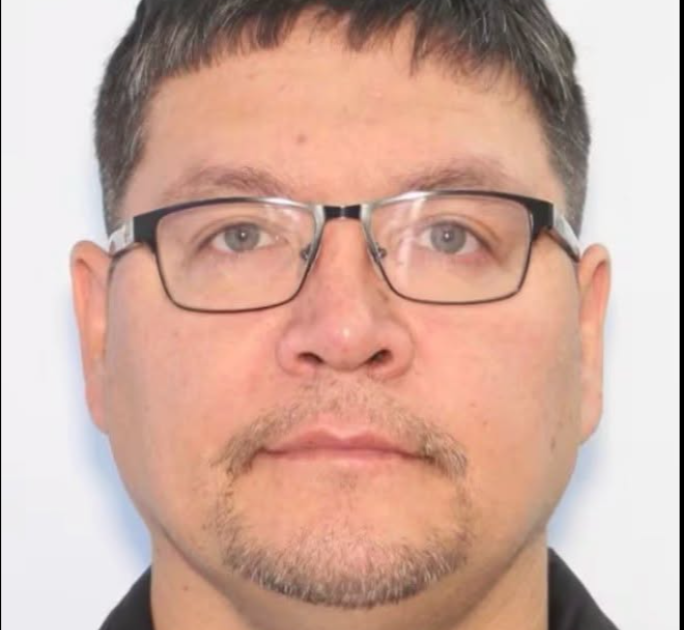
A former mayor of Chevak, Alaska, who once held trusted roles in local government, youth sports, schools, and foster care, is now facing a sweeping criminal case that has raised difficult questions far beyond one rural community. Ulric Jeffery Ulroan, 48, was arrested on June 24 after a Bethel grand jury indicted him on forty seven criminal counts involving sexual abuse, sexual assault, indecent exposure, and furnishing alcohol to a minor.
A Trusted Name Becomes a Criminal Defendant
The reason this case has drawn national attention is not only the number of charges. It is the contrast between the allegations and the public image Ulroan once carried in western Alaska. He was identified as a former Chevak mayor, a former school district employee, a basketball coach, and a certified foster parent. Those roles placed him close to young people, families, and community institutions for years.
In a small community, those titles carry real weight. Parents often know the same adults through school, sports, local government, and family networks. Investigators said the case began after a January tip involving the alleged abuse of a 17-year-old girl in Chevak between 2009 and 2010. As the investigation continued, additional women came forward with allegations that Ulroan had sexually assaulted or abused them.
Allegations Reached Across Communities
Most of the alleged conduct in the indictment is tied to Chevak, but investigators said other incidents occurred in Mountain Village and Anchorage. Alleged conduct in Nome remained under investigation as of the latest public updates. The indictment names at least six victims, and investigators believe more people may have information. Law enforcement has said more victims may exist, a detail that could shape how the case develops in the weeks ahead.
That public appeal for information is significant. It suggests investigators do not view the current indictment as the full possible picture. It also places renewed attention on how rural communities, schools, families, and child protection systems respond when allegations involve someone widely known.
Foster Care and Youth Sports Add Pressure
One of the most sensitive parts of the case is Ulroan’s history as a certified foster parent. Investigators said he held that certification from 2005 to 2023, a period that overlaps with much of the alleged timeline.
Foster care depends on public trust and government screening. Families and agencies place children in homes with the expectation that adults have been properly vetted and monitored. When a former foster parent faces allegations involving minors, the public naturally asks whether warning signs were missed, whether complaints were made, and whether oversight was strong enough.
Ulroan’s work around youth sports adds another layer. He was also identified as a high school basketball coach, a role that can give adults authority, access, and influence over teenagers. Some charges involve allegations that he held a position of authority over victims at the time of the alleged offenses.
A Public Honor Now Looks Different

In 2019, Ulroan and his wife, Mary, were recognized by the Alaska Federation of Natives as Parents of the Year. At the time, the honor highlighted family, culture, education and community values. That recognition has resurfaced because the indictment alleges conduct that began years before the award and continued years afterward.
Mary Ulroan later described the situation as painful for her family and asked for compassion and privacy, especially for her children. Her statement points to another painful reality in cases like this: criminal allegations can leave families, victims, children, and entire communities carrying different kinds of harm at the same time.
Alaska’s Wider Legal Moment
The indictment also lands during a broader debate over child protection in Alaska. State lawmakers recently approved a wide-ranging public safety bill that included raising the age of sexual consent to 18. The measure passed with near-unanimous support in both chambers as part of a larger crime package.
The legislation included changes tied to child sexual abuse material, victim services and sexual assault laws. Supporters said the changes were meant to strengthen legal tools in cases involving minors and vulnerable people. The timing gives the Ulroan case a wider frame, even though the allegations must be handled through the court process now underway.
What Happens Next
The case now moves through Alaska Superior Court, where prosecutors must prove the charges and the defense will have the chance to challenge the allegations. More hearings, filings, and possible investigative updates are expected.
The unanswered questions remain serious. Did anyone raise concerns before the January tip? Were any reports made during Ulroan’s years in public roles? How many people may still come forward? And will the case trigger a deeper review of safeguards around foster care, schools and youth sports in small communities?
Those questions matter because this story is not only about one indictment. It is about the systems people rely on when they send children to school, enroll them in sports, trust public leaders, and believe that official approval means safety.
Chevak and the surrounding region now face a painful test of accountability. A criminal court will decide the legal case. The community will be left to confront something broader: trust is necessary in small towns, but trust without scrutiny can leave families dangerously exposed.


