
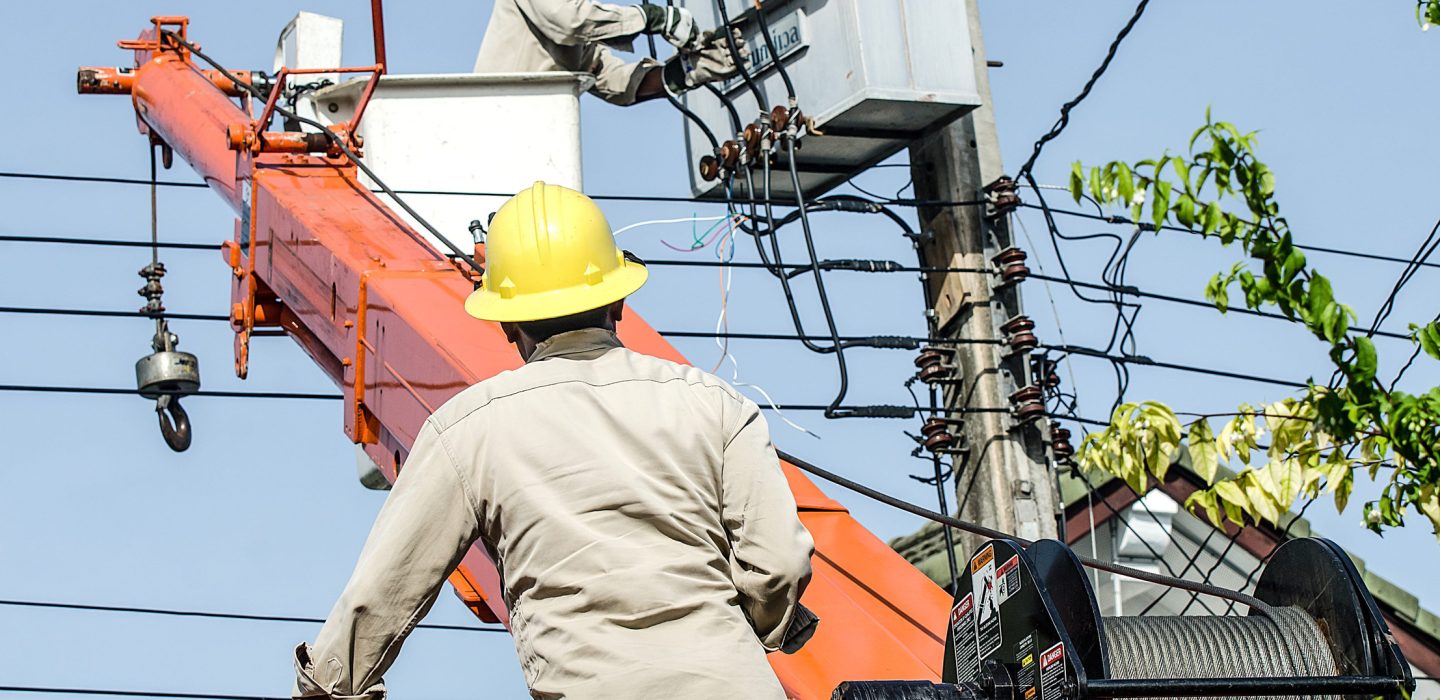

America’s cost-of-living crisis is now spilling over into electric bills. In recent years, as prices have surged at the grocery store, the gas pump, and in monthly rent, many families have become painfully aware of every new household expense. Now, a new threat is emerging as electric bills begin to climb, fueled by a growing and often overlooked factor: the massive energy appetite of artificial intelligence data centers.
AI is no longer just software. It depends on huge U.S. data centers that require land, water, cooling, and massive amounts of electricity. These data centers are the invisible backbone of our digital lives. Every request to a chatbot, every streaming video, every AI-powered search relies on buildings filled with thousands of servers running nonstop. The energy demands of these data centers are staggering, and their growth is only accelerating.
AI now affects local utilities, housing, water, and household budgets, not just Silicon Valley.
The U.S. power grid faces new demand from data centers, electric vehicles, and factories. AI facilities can use as much electricity as large factories.
Should households pay for grid upgrades needed by Big Tech, or should companies shoulder the costs?
The AI Boom Has a Physical Footprint

Cloud computing is physical: servers in buildings, not just “the cloud.” AI makes that fact clear.
Large server buildings require constant cooling, power, and backup power. Many communities can’t yet support this demand.
Opposition to data centers is growing. Residents worry about noise, land use, water, blackouts, and bills. For example, in Prince William County, Virginia, a major data center proposal sparked heated town hall meetings and public protests.
Homeowners questioned whether these facilities would increase local power outages and raise their monthly costs. Officials debate whether the tax revenue and job creation are worth the strain on local resources and infrastructure. Tech companies often promise economic benefits, but communities want guarantees that those benefits will materialize.
AI’s growth means massive demand for basic resources, especially electricity and water. For perspective, a single large AI data center can require as much electricity as a town of 50,000 people. The need for reliable power and water is pushing local infrastructure to its limits. As data centers multiply, utilities struggle to keep up with demand, and communities brace for changes to their everyday lives.
The Grid Is Being Asked to Grow at Historic Speed

A new industry forecast shows the scale of the challenge. The U.S. is expected to add hundreds of gigawatts of power capacity through 2030. On a peak-demand basis, that expansion could resemble adding another power system nearly as large as America’s biggest regional grid.
This is a fundamental shift.
Building new power plants and lines takes years, but AI firms want immediate electricity. Permitting, supply chains, and opposition further slow things.
The gap between electricity demand and supply is critical.
Texas and the PJM region already face grid strains from data centers and economic growth.
Commercial Power Demand Is Now the Story to Watch
Household electricity use once dominated the conversation, but commercial demand is rising faster now.
This shift is now clear.
Commercial power demand, driven by data centers, will soon surpass residential demand for the first time.
This political shift raises questions: Should households pay more for grid upgrades? Utilities, tech firms, and residents all have different views. The debate is about fairness and priorities.
AI’s boom triggers a new affordability debate.
The debate is about who pays, who benefits, and who takes the risk if projections are wrong.
Water: The Next Big Issue
Water is now as important as electricity in this debate. In drought-prone regions such as the American Southwest, the prospect of new data centers raises alarms about water scarcity. In 2023, a proposal for a major data center in Mesa, Arizona, ignited controversy when residents learned it would draw millions of gallons from the city’s already stressed supply. Local farmers and environmental groups demanded more transparency and accountability from tech companies about their water plans.
Water is now as important as electricity in this debate.
Data centers use water for cooling and indirectly via power plants. In dry regions, this can worsen drought and raise costs.
Tech firms promote water recycling and efficient cooling, but public trust is low.
Communities want numbers: water use, sources, drought plans, and cost impacts—not vague promises.
Cooling systems trade off water for electricity. Communities must choose which resource to prioritize.
These water choices also affect power reliability.
Blackouts: A New Risk
Grid reliability is now a top concern.
Data centers use massive amounts of electricity. Too many at once strain the grid.
Regulators want faster approvals for big users, but must avoid blackouts and unfair costs on households.
Move too slow, and the U.S. falls behind. Move too fast, and reliability, planning, and costs suffer.
AI is now about national competition. Policymakers want leadership, companies want speed, and residents want fairness.
These goals often clash, fueling public tension.
Local Backlash Is Growing
Pushback isn’t just about data centers—it’s about trust.
With inflation and high costs, new data centers and grid upgrades raise worries about higher living expenses.
The debate blends fears over jobs, Big Tech, rising bills, water shortages, and la ack of community input.
Data centers near neighborhoods make the tech race local and visible, fueling backlash.
What’s at Stake in 2026
Electricity, water, AI, and Big Tech all make data centers a powerful election issue.
Lawmakers and regulators are under pressure to force disclosure, protect households, and slow approvals. States and local governments are considering new rules that would require companies to publish detailed impact reports, limit water use, or fund local infrastructure upgrades. Utility commissions are debating whether to create separate rate structures so that large data centers pay a higher share of grid expansion costs. In several states, legislative hearings have focused on whether tech companies are contributing fairly to community needs.
States also want jobs and investment from data centers, seeing them as essential for growth. Supporters point to the economic upside: construction jobs, ongoing technical positions, and increased tax revenue can benefit local economies. In some places, data centers have helped revitalize declining industrial areas or provided new revenue streams for school districts and public services. However, these benefits can be unevenly distributed, and there is ongoing debate about whether the rewards outweigh the risks.
The struggle: attract AI investment without raising household costs too much.
Bottom Line
AI needs hardware, power, water, and public support.
The next AI phase is local. Communities must decide if the benefits of AI infrastructure outweigh the costs.
Electricity demand is rising, data centers are expanding, water worries are growing, and the grid needs major investment. Who pays, and who decides the rules?
This could be the next big test for household budgets. If AI brings better digital services, increased productivity, and new jobs to residents, the investment may be justified. Some experts suggest that a smarter grid and more efficient infrastructure could eventually lead to lower costs for everyone. But if the only effect is higher utility bills, water shortages, and rushed local approvals, then the backlash will grow as quickly as the technology itself. The solution may require new partnerships between tech companies and local governments, stronger oversight, and creative policies that share both the risks and the rewards.
The future of AI is being built on the grid. For many, its impact will show up first in the electric bill.
Read the original article in Crafting Your Home


