
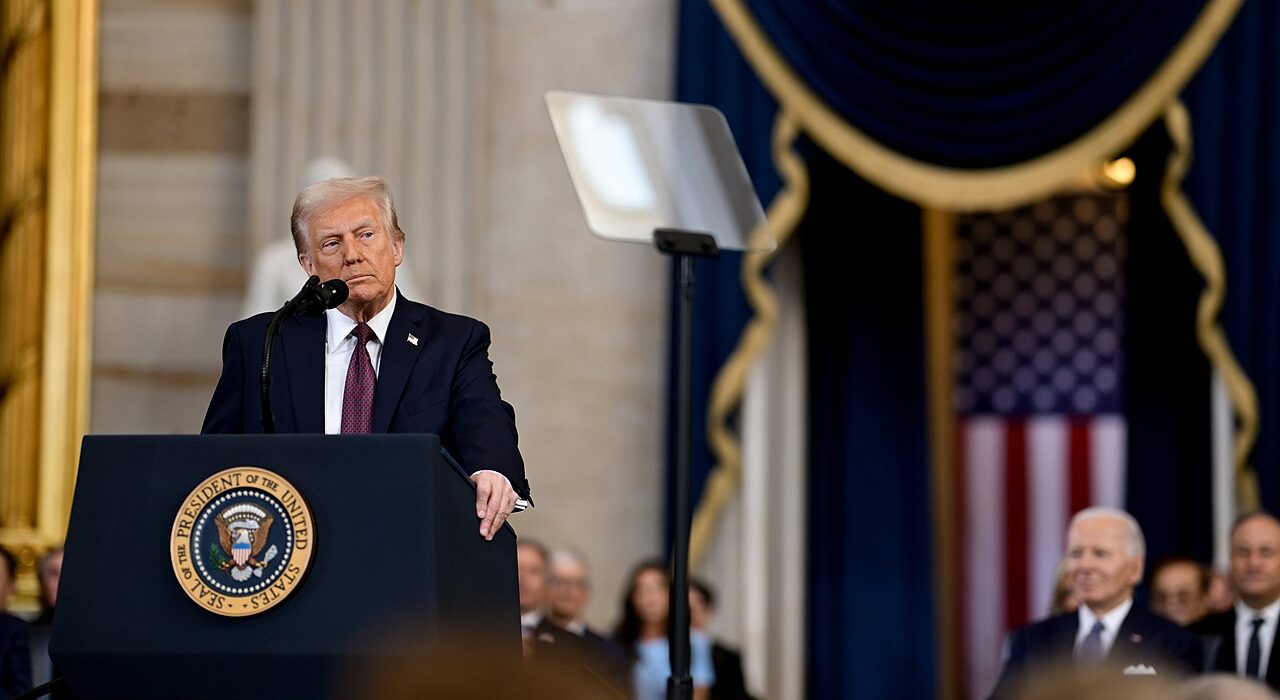

President Donald Trump has found a new pressure point in Washington, and this time it is not just Democrats feeling the squeeze. His latest demand is aimed squarely at Senate Republicans: end the filibuster and pass the SAVE America Act. The move has turned a voting bill into a much larger fight over power, Senate tradition, election rules, and the cost of political loyalty.
The SAVE America Act has become one of Trump’s top legislative priorities ahead of the 2026 midterm elections. Supporters describe it as a necessary election security measure to ensure that only American citizens vote in federal elections. Critics argue that it could block eligible citizens from voting by creating new paperwork and identification hurdles.
But the fight is no longer only about voter ID. It is now about whether one party should be able to change Senate rules to pass a bill it cannot pass under the existing rules.
Trump’s New Pressure Campaign

Trump’s message to Republican senators has been blunt. He wants the SAVE America Act passed, and he wants the filibuster removed if that is what it takes. That demand has put Senate GOP leaders in an uncomfortable position because many of them support the bill in principle but do not support blowing up the Senate’s rules to pass it.
The timing made the confrontation even sharper. Trump abruptly backed away from signing a bipartisan housing bill that many lawmakers hoped would show voters Congress was doing something about affordability. Housing costs remain one of the most painful issues for Americans, especially younger families, renters, and first-time homebuyers.
By holding up that bill, Trump sent a clear signal: election legislation comes first. That decision irritated some Republicans who saw the housing bill as a political win they badly needed. Instead of celebrating a bipartisan achievement, they were pulled into another public fight over Trump’s priorities.
For Trump, the calculation appears simple. He believes the SAVE America Act is urgent and wants Republican senators to treat it as such. For Senate leaders, the calculation is messier. They are dealing with math, rules, public opinion, and the possibility that changing the filibuster today could punish them tomorrow.
What the SAVE America Act Would Do
The SAVE America Act would require people registering to vote in federal elections to provide documentary proof of U.S. citizenship. It would also impose strict photo identification rules for voting in federal elections. Supporters say this is common sense because citizenship is already required to vote.
That argument is politically powerful because many Americans agree with the basic idea that elections should be limited to eligible citizens. On the surface, it sounds simple. Bring proof. Show ID. Vote. But election administration is rarely that clean in real life.
Millions of eligible citizens do not keep passports, birth certificates, naturalization papers, or updated documents in easy reach. Some people have changed their names after marriage or divorce. Others live far from government offices, cannot easily take time off work, or face delays getting certified documents.
That is why critic