


The most frightening part of Venezuela’s earthquake disaster may not be only how powerful the shaking was. It was how little time people had to understand what was happening before the second blow arrived.
Two major earthquakes struck Venezuela in rapid succession on Wednesday evening, turning an ordinary night into a national emergency. The first quake, reported at magnitude 7.2, was followed less than a minute later by a stronger 7.5 tremor. For families inside apartments, airport terminals, shops, and hillside homes, there was no meaningful warning window. There was only shaking, noise, falling concrete, and the sudden race to survive.
The disaster came in two violent waves.
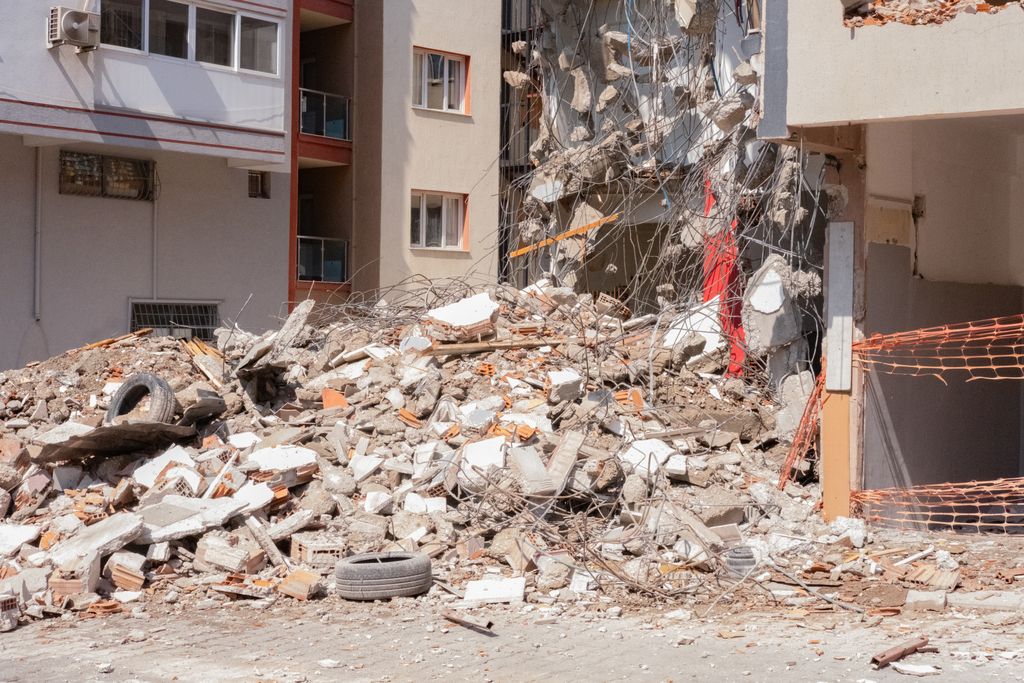
The first earthquake was strong enough to send residents rushing into the streets. But before many people could move safely, the second and larger quake hit. That sequence is what made the event especially devastating. Evacuation plans depend on seconds, stairs, open exits, and stable buildings. Venezuela had almost none of those advantages at the moment that mattered most.
In Caracas and nearby areas, buildings crumbled, ceilings fell, and emergency crews began searching through rubble while aftershocks kept fear alive. People who made it outside still faced falling debris, blocked roads, broken communications, and the terrifying uncertainty of whether relatives were trapped inside damaged structures.
The death toll is only part of the story.
Authorities reported at least 164 deaths and 971 injuries, but those early numbers may not fully reflect the scale of the destruction. Rescue operations were still unfolding, and some areas remained difficult to reach. In major disasters, the first count often reflects only what officials can quickly confirm, not what has happened behind collapsed walls or in neighborhoods cut off by darkness and infrastructure damage.
That is why the story is bigger than one number. Thousands of people were waiting for news, searching for loved ones, or sleeping outside because they no longer trusted the surrounding buildings. A home can survive years of hardship and still fail in seconds when the ground moves with enough force.
Why did the damage spread so fast
The quakes hit a country already carrying deep infrastructure strain. Older buildings, informal housing,underfunded services, and uneven emergency capacity can turn a powerful earthquake into a wider humanitarian crisis. When structures are weak, the shaking does not take long to become deadly.
The