



In New York, the market did not simply sell a stock. It questioned a dream.
SpaceX, one of the most anticipated public companies of the decade, lost roughly $400 billion in market value in a single session as investors pulled back from high-priced technology names and adjusted to a tougher interest-rate outlook. The company’s shares dropped about 16%, closing near $154.60, a sharp fall from the post-IPO high above $225.
Nothing physical had to break for that value to vanish. Rockets did not fall from the sky. Satellites did not stop circling the planet. Starlink did not disappear. Yet hundreds of billions of dollars were erased because investors changed what they were willing to pay for the future.
That is what made the selloff so striking. It was not only about SpaceX. It was about a market that had spent months rewarding artificial intelligence, space infrastructure, chips, automation, and Elon Musk’s founder premium. Then the Federal Reserve changed the math.
When money gets more expensive, promises get cheaper.
SpaceX lost $400 billion as fears of a Fed rate hike hit global markets.
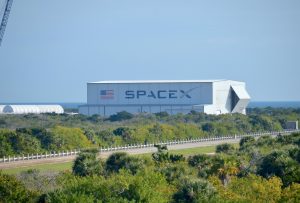
SpaceX had entered public trading with enormous force. Its IPO was priced at $135 a share, and early demand pushed the stock above $225 as investors rushed into a company tied to reusable rockets, satellite internet, defense contracts, AI infrastructure, and Elon Musk’s reputation for building industries before competitors can catch up.
But the rally quickly met resistance.
Shares fell sharply, closing near $154.60 after a roughly 16% drop. That price was still above the $135 IPO level, but it was below the stock’s first-day closing price of about $160.95 and far beneath the early post-IPO peak. The move wiped out about $400 billion in market value.
The SpaceX decline came as the broader market stumbled. Technology and semiconductor stocks fell sharply as investors worried about two related pressures: rising expectations for additional Federal Reserve rate hikes and growing concern that the AI boom may be demanding too much capital too quickly.
The Philadelphia Semiconductor Index dropped nearly 8% in the selloff. Major chip names, including Nvidia, AMD, Intel, Marvell, Micron, and others, came under pressure. The Nasdaq and S&P 500 also weakened as investors rotated away from some of the market’s most expensive growth trades.
SpaceX became the most dramatic symbol of that reset.
Market shocks do not stay on Wall Street.
For a $400 billion stock wipeout may sound like a billionaire problem. But market shocks can move into ordinary life faster than many people realize.
When high-growth stocks fall, the impact can reach:
- retirement accounts tied to index funds
- brokerage portfolios owned by everyday investors
- tech hiring plans
- startup funding
- mortgage-rate expectations
- consumer confidence
- employee stock compensation
- local economies tied to finance, technology, and venture capital
That is why this story matters beyond Elon Musk and SpaceX shareholders. A sharp selloff in one market darling can change the mood across the entire risk economy.
For billionaires, a market drop can erase paper wealth. For retail investors who bought late, it can erase real savings.
That difference is the human stake behind the headlines. A founder may remain wealthy after a massive decline. A teacher, engineer, nurse, retiree, or small inves