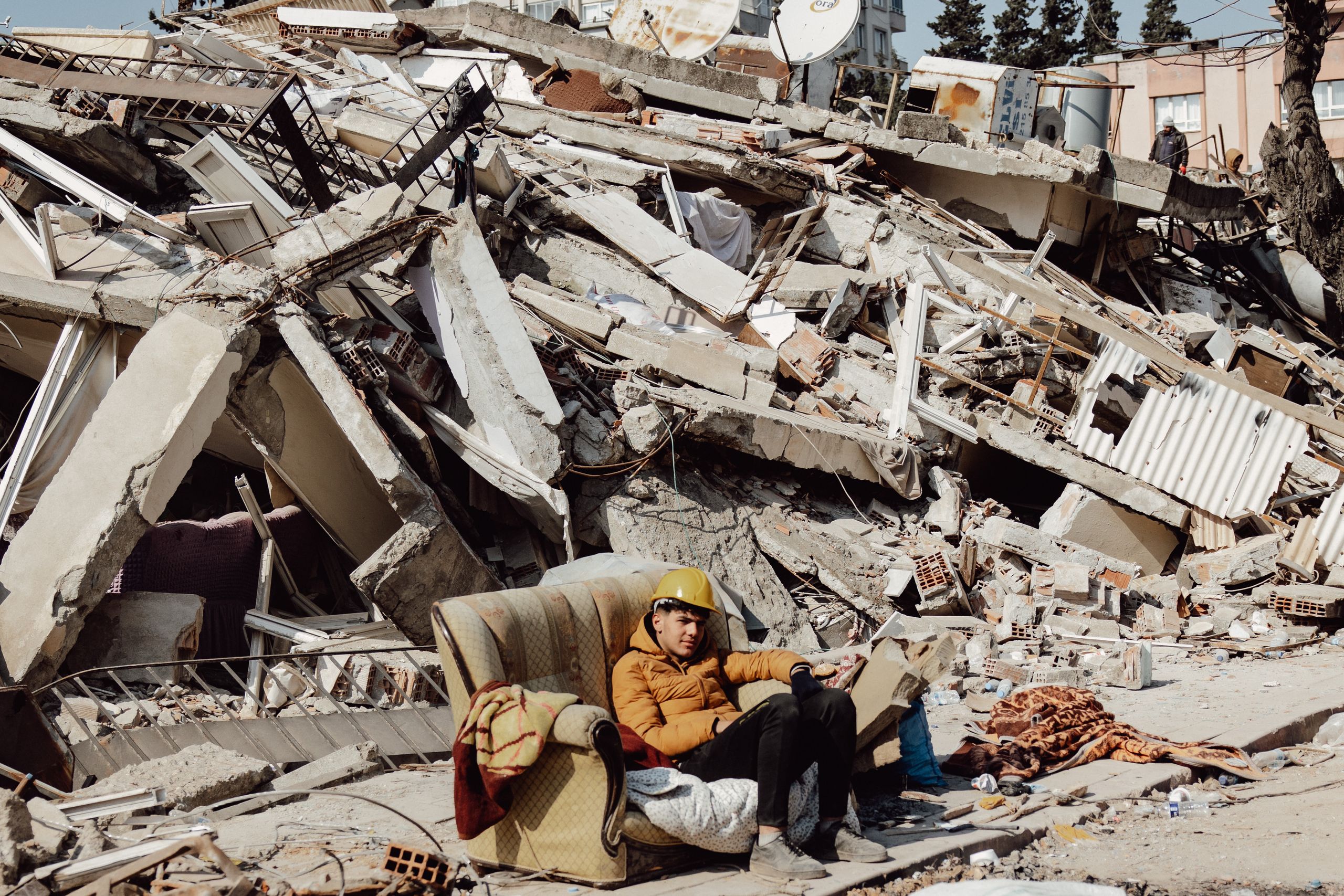

The first earthquake sent people rushing into the streets. The second made them wonder whether the buildings they had just escaped would still be standing when they turned around.
Across northern Venezuela, families ran from apartments, hospitals, shops, offices, and crowded streets as two powerful earthquakes struck within moments of each other, shaking Caracas, devastating parts of La Guaira, damaging key infrastructure, and turning an ordinary evening into a national emergency.
By the next morning, officials said at least 32 people had been killed and more than 700 injured. The numbers were already heartbreaking, but they were also unfinished. Rescue crews were still searching through collapsed buildings. Families were still waiting outside the rubble. Hospitals were still receiving the wounded. Communications remained uncertain in some areas. And across the affected region, survivors faced the cruelest truth of major earthquakes: the danger does not end when the ground stops moving.
For Venezuela, this disaster is especially severe because it did not strike the country at full strength. It struck a nation already battered by years of economic hardship, damaged public services, mass migration, infrastructure strain, and fragile trust in institutions. The earthquakes did not create Venezuela’s crisis. They landed on top of it.
That is what makes this story bigger than magnitude numbers. It is not only about what the Earth did in seconds. It is about what a struggling country must do in the coming days, weeks, and years.
What happened: Two powerful earthquakes hit near Venezuela’s northern coast.