


This analysis is grounded in a large-scale national survey of 5,000 U.S. adults, along with supporting consumer behavior research, dietary trend data, and economic indicators of food spending. What emerges is not speculation, but a measurable shift in how Americans structure daily eating behavior.
The numbers point clearly to one conclusion: snacking has moved from a secondary habit to a dominant food system in everyday life.
Across demographic groups, states, and lifestyles, consistent patterns appear. Three in five Americans report hidden snack stashes. More than half admit to consuming an entire bag of chips in one sitting. Nearly four in five identify as “snack people.” These are not isolated behaviors.
Data Signals a Structural Shift Away From Traditional Meal Patterns
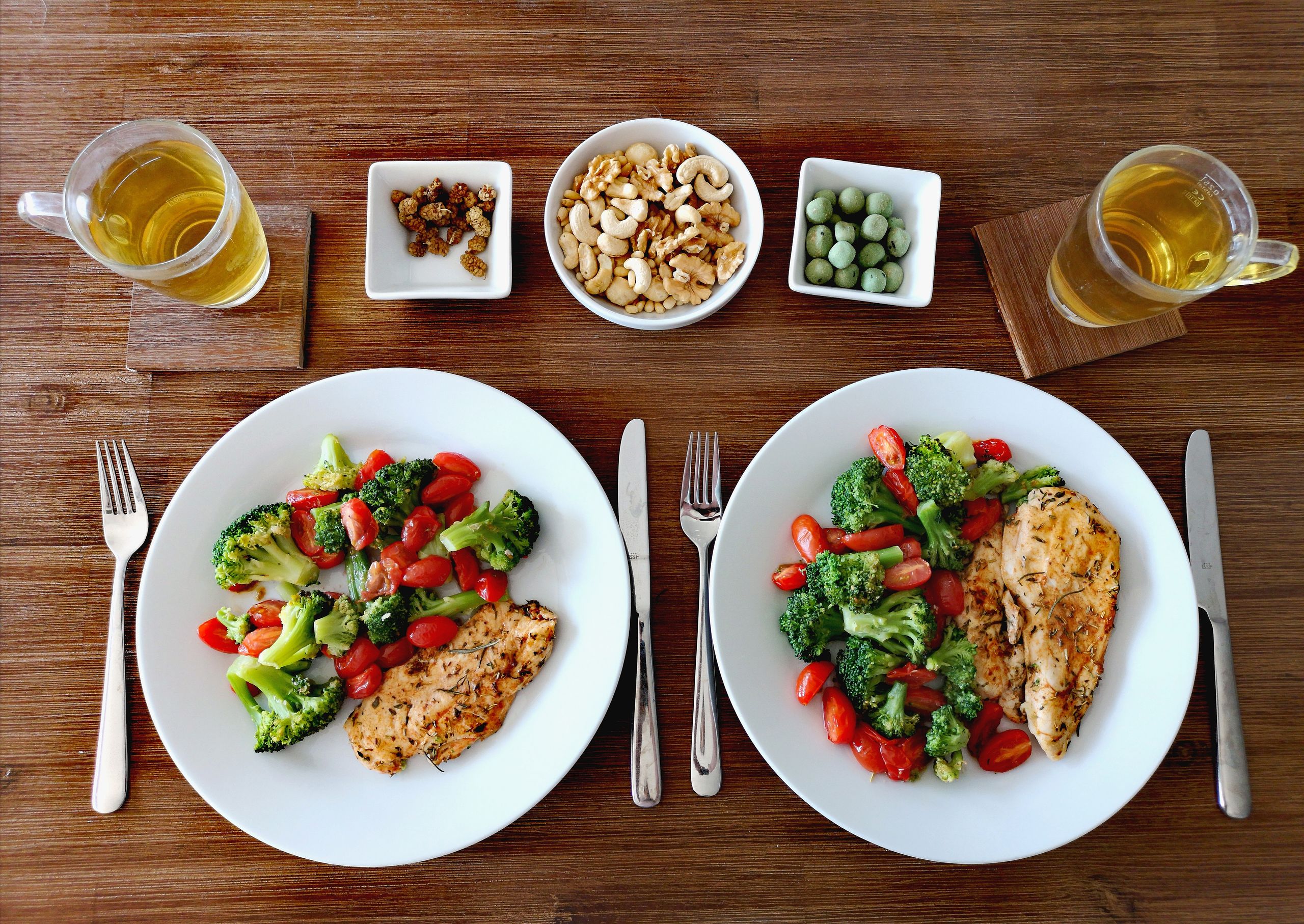
The most significant data point in the survey is the breakdown of eating identity. Only 21% of respondents identify as “meal people,” while 79% classify themselves as “snack people.” This ratio alone indicates a fundamental deviation from traditional three-meal structures that have defined dietary norms for decades.
The frequency data reinforces this shift. Respondents report snacking approximately four times per day on average, with consumption concentrated between noon and 5 p.m. This time cluster aligns with documented energy dips in circadian rhythm studies and workplace fatigue cycles, suggesting that snacking behavior is not random but biologically and socially synchronized.
This pattern becomes more pronounced when paired with labor data trends indicating increased participation in remote and hybrid work. With greater access to home kitchens and reduced rigidity in meal scheduling, structured eating breaks have declined, replaced by continuous grazing.
One of the most statistically revealing findings is that 60% of respondents maintain hidden snack stashes in or around their homes. This is not a minor behavioral quirk. It represents a measurable pattern of private consumption in shared households.
Within this group, 67% store snacks in bedrooms, 35% in living rooms, and smaller but notable percentages in garages, basements, attics, and bathrooms. These distribution patterns indicate that snack storage is not centralized but spatially optimized based on privacy, access frequency, and household dynamics.
Consumption Intensity Data Shows High-Calorie Single-Event Eating Patterns
Behavioral intensity metrics from the survey show that 53% of Americans admit to eating an entire bag of chips in a single sitting. This behavior is most prevalent in Maryland (64%) and Wyoming (63%), indicating regional variation within a nationally consistent trend.
From a consumption-behavior perspective, this reflects low-stopping-threshold foods, in which product design encourages continued intake beyond satiety cues. Chips, popcorn, and similar snack categories are engineered for repeat consumption loops, which aligns with observed eating behavior data.
Snack-Only Days Represent a Measurable Meal Replacement Trend
A key data point in the survey is that 39% of respondents report going entire days without consuming structured meals, relying exclusively on snacks. This represents a partial substitution of traditional meal frameworks with distributed eating patterns.
This behavior correlates with broader food expenditure data showing rising costs of prepared meals and increasing reliance on convenience food categories. It also aligns with time-use data, indicating that daily schedules have become more fragmented, reducing the feasibility of sit-down meal preparation.
Social Consumption Metrics Show Strong Group-Based Eating Behavior
The data also highlights a strong social dimension. 53% of respondents report that snacking is more enjoyable with friends than alone. Even more significantly, 69% say they feel more authentic in social settings when they have snacks.
This suggests that snack-based environments reduce social performance pressure compared to formal dining contexts. Group-based consumption events, such as parties, game nights, and watch gatherings, show high engagement: 60% of respondents associate parties with snacking, and 59% associate game nights with snacking.
Entertainment Consumption Data Directly Correlates With Snack Type Selection
Cross-referencing entertainment behavior reveals strong alignment between content type and snack choice. Chips are most commonly associated with casual and comedic programming, while popcorn is more frequently paired with high-engagement dramatic content.
Sports viewing remains one of the most common snack contexts, with over half of respondents reporting snacking during live games. This aligns with known behavioral patterns where prolonged passive viewing increases consumption frequency due to reduced attention to intake volume.
Economic Pressure Indicators Support Snack Substitution Behavior
While the survey focuses on behavior, external economic indicators help explain underlying drivers. U.S. food price data show sustained increases in grocery and restaurant costs in recent years, leading to greater sensitivity in food spending decisions.
Snacks offer a lower per-purchase entry cost, even if cumulative consumption may equal or exceed the full meal cost. This creates a psychological perception of affordability, making snacks more attractive during periods of inflation or budget constraint.
Behavioral Psychology Data Explains High Frequency Grazing Patterns
Research in eating behavior supports the survey findings on frequency. Grazing patterns are associated with reduced meal boundary clarity, especially in environments with constant food access.
Dopamine response cycles linked to sugar, salt, and fat intake reinforce repeat consumption behavior. At the same time, distracted eating environments, such as screens, work tasks, or commuting, reduce internal satiety awareness, leading to increased eating frequency without proportional hunger signals.
This combination of environmental access and neurological reinforcement creates stable, high-frequency snacking loops.
Late-day snacking patterns align with stress and screen exposure data. Evening hours show increased likelihood of non-hunger-based eating, often tied to emotional regulation and delayed sleep preparation.
Retail Placement Data Shows Structural Reinforcement of Snack Consumption
Retail environment studies show that snack products are disproportionately placed in high-visibility and impulse zones, including checkout aisles, end caps, and convenience store entry points.
This structured placement increases the frequency of exposure and reduces decision friction, thereby reinforcing spontaneous purchase behavior. Digital advertising and social media food content reinforce snack consumption across physical and digital environments.


