


Austin just surpassed 1 million residents, but for many, this underscores how expensive the city has become.
It feels more like a receipt.
The skyline is taller. The restaurants are busier. The suburbs keep stretching outward. The city’s name still carries music, tech, tacos, college football, and Texas charm. But beneath this, the cost of living in Austin is now a daily concern.
Austin keeps growing. Rents have cooled, and home prices are less extreme, but the city remains expensive. Many now ask:
Can ordinary people still afford to live here?
Austin Grows, but So Does Pressure
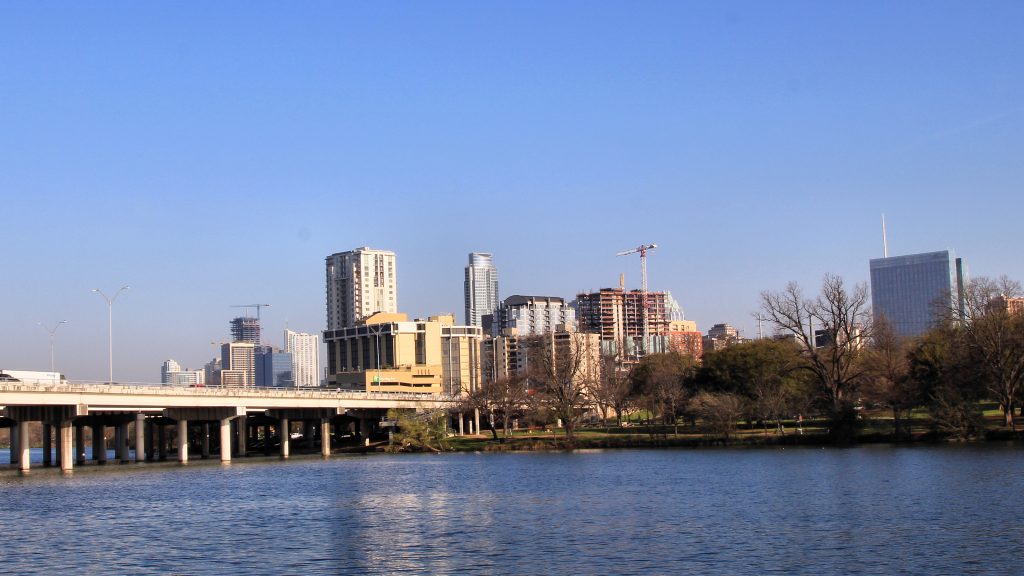
Austin’s population reached 1,002,632 in July 2025, crossing the one-million mark for the first time.
On paper, that sounds like triumph. Cities only grow like this when people see opportunity. Austin still attracts job seekers, students, entrepreneurs, artists, remote workers, musicians, and families seeking stability.
But growth has a cost.
More people mean more demand for homes, apartments, roads, grocery stores, schools, parking spaces, doctors, child care, and city services. The city is bigger, but many residents say their paychecks have not kept up with Austin’s rising costs.
That tension is shaping the city. Austin is not collapsing or emptying. It remains popular, but affordability and demand are no longer aligned.
The Housing Market Has Cooled, but It Is Still Expensive
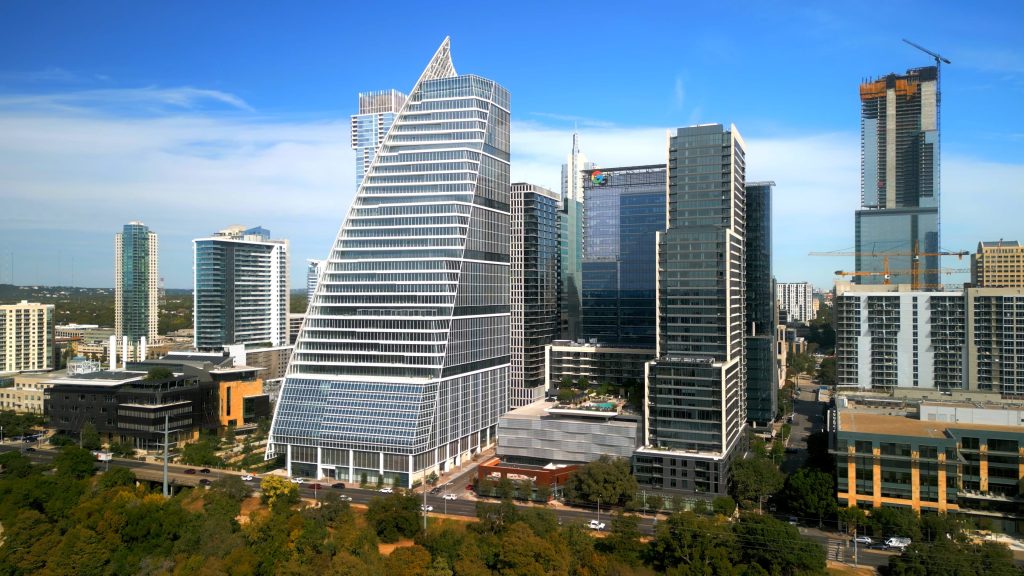
Austin’s housing market has cooled, but it is still not affordable.
Redfin data shows Austin home prices were down compared with last year over the three months ending in May 2026. The median sale price was about $542,460, with homes selling in around 48 days. More homes sold than during the same period a year earlier, suggesting buyers are still active, but no longer facing the same wild heat that defined the earlier boom years. For buyers, that sounds like good news. In some ways, it is.
A cooler market gives buyers more options, but a median price above $500,000 remains unaffordable for many households.
High mortgage rates, insurance, property taxes, and down payments keep ownership out of reach for many.
The market strains family budgets.
Renters See Some Relief, Not Freedom
Renters face high costs and limited relief.
The average rent is about $1,987, lower than last year but higher than last month. There are over 5,500 available rentals, giving renters more options.
For some residents, that offers some relief.
Small rent decreases mean little when starting prices are high. A one-bedroom still takes much of a paycheck. Fees for parking, pets, utilities, and more raise costs.
For many, Austin is unaffordable because base prices a