


Russian President Vladimir Putin has spent years projecting the image of a leader who never weakens, never slows down, and never loses control.
Now, new reporting has placed attention on something far more personal than war, diplomacy, or political power: his reported interest in using advanced science to push back against aging itself.
The story sounds almost unreal at first. Cryotherapy chambers. Lab-grown organs. Genetically modified mini pigs. Peptides.
State-backed anti-aging research. A reported multibillion-dollar effort to extend human life.
But behind the strange details is a serious question about power. What happens when one of the world’s most powerful leaders begins treating longevity not as a private health goal, but as a national project?
A Reported Longevity Program With Huge Ambition
According to reporting discussed by Vox and based on Wall Street Journal coverage, Russia has been backing a major longevity push linked to Putin’s long-running interest in health, aging, and life extension.
The reported price tag is massive: about $26 billion.
The goal is not only to make people live slightly healthier lives.
The reported program focuses on advanced medical ideas that could one day help replace damaged organs, slow aging in human cells, or extend the years a person can remain physically strong.
Some of the science involved is real. Around the world, researchers are working on 3D bioprinting, organ replacement, gene therapy, and animal-to-human transplant research. These fields are not fantasy.
But they are not miracle cures either.
That is what makes the story so striking. The research is serious, but the political context makes it feel darker.
Why Mini Pigs Are In The Middle Of The Story
One of the most unusual details is the reported use of genetically modified mini pigs.
Pigs are important in transplant research because some pig organs are similar in size and function to human organs.
Scientists can also genetically alter pigs to make their organs less likely to be rejected by the human body.
In theory, this could help solve a huge medical problem: the global shortage of donor organs.
In practice, the work remains difficult and risky. The human immune system can reject animal organs. There are infection concerns.
Long-term survival is still uncertain. Even in advanced medical systems, animal-to-human organ transplant work remains closely watched and highly experimental.
So while the mini pig detail may sound bizarre, it is not random. It fits into a much larger global race to find ways to replace failing human organs.
The bigger issue is who this research is really meant to serve first.
The Dream Of 3D-Printed Organs
Another part of the reported program involves 3D bioprinting.
The idea is simple to explain but extremely hard to achieve.
Scientists want to use special printers to create living tissue, and eventually full organs, in a lab. A patient who needs a new liver, lung, heart, or other organ could someday receive one made specifically for them.
If that became safe and reliable, it would change medicine forever.
But printing a working human organ is not like printing plastic parts or metal tools.
Real organs need blood vessels, nerves, structure, strength, and the ability to survive inside a living body. that is a very hard scientific challenge.
For now, the dream remains far ahead of the reality.
Still, the reported Russian interest shows how deeply governments and powerful figures are watching the future of biotechnology.
Putin’s Personal Health Image Has Always Mattered
Putin has long built a public image around physical strength. Over the years, Russian state media and official photo opportunities have shown him playing sports, riding horses, diving, exercising, and presenting himself as a leader with unusual stamina.
That image is political. In authoritarian systems, the leader’s body often becomes part of the state’s image. Strength, discipline, and control are not just personal traits. They become symbols of national power.
That is why reports of Putin’s interest in cryotherapy and anti-aging science attract so much attention.
A cryotherapy chamber is sometimes described as a reverse sauna. Instead of heat, the person is exposed to extreme cold for a short period.
Supporters claim it can support recovery and health, though many of its wellness claims remain debated.
For Putin, the symbolism is obvious. The leader who wants to appear untouchable is also reportedly interested in treatments that promise to slow decline.
His Daughter’s Reported Role Makes The Story More Sensitive
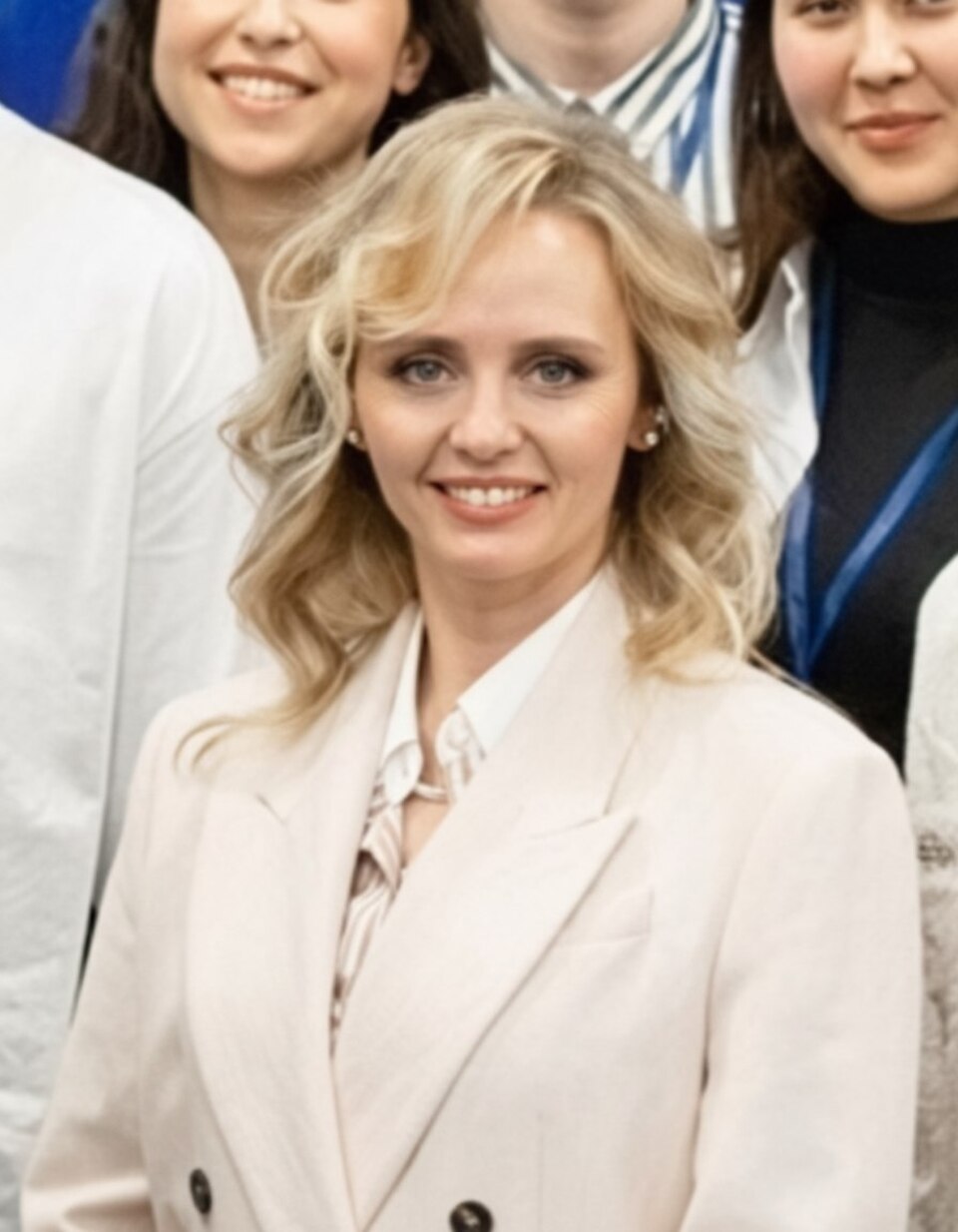
The story also includes Putin’s daughter, Maria Vorontsova, who has been described in reports as an endocrinologist involved in longevity research.
That detail matters because Putin has always kept his family life private. His daughters rarely appear at the center of public political stories.
When one of them is linked to a state-backed research area close to Putin’s personal interests, it adds another layer of sensitivity.
It also raises questions about access.
If Russia’s most advanced anti-aging work produces anything useful, who would benefit first? Ordinary citizens? Soldiers? Patients waiting for organs? Or the political elite closest to the Kremlin?
That is the uncomfortable question hanging over the entire story.
The Putin-Xi Hot Mic Moment Added Fuel
The subject became even more public after Putin and Chinese leader Xi Jinping were caught on a live microphone discussing organ transplants and the possibility of humans living much longer.
The exchange happened during a major event in Beijing. A translator for Putin could be heard talking about biotechnology and organ replacement.
Xi responded by saying some people predict humans could live to 150 in this century.
It was a brief moment, but it was revealing.
These were not tech entrepreneurs chatting at a private conference. These were two of the world’s most powerful authoritarian leaders discussing the future of human life while attending a military spectacle.
That contrast made the moment feel almost cinematic.
On one side, there was talk of a longer life. On the other hand, there were weapons, soldiers, and state power.
The Dark Irony For Russia
There is a harsh irony in Russia’s reported push for longevity.
Russia faces serious demographic problems.
The country has struggled with low birth rates, population decline, and relatively low male life expectancy compared with many other developed nations.
The war in Ukraine has added more pressure through deaths, injuries, migration, and social strain.
So the idea of a state spending heavily on life extension while also fighting a deadly war creates a disturbing contrast.
A government can claim it wants to extend life. But if that same government is sending people to die, the message becomes complicated.
That is why the reported longevity program feels less like a simple science story and more like a political mirror.
It reflects the priorities of a system in which the ruler’s survival can seem more important than the well-being of ordinary people.
Could Science Help People One Day?

It is important not to dismiss the science completely.
Organ printing, gene therapy, regenerative medicine, and transplant research could one day save many lives.
If scientists make real breakthroughs, the benefits could be enormous. People with organ failure could live longer. Age-related disease could become easier to treat. Healthy years could be extended.
That would be a major victory for humanity.
But breakthroughs do not happen just because powerful people want them. They require transparent research, peer review, medical ethics, safety trials, and open scientific cooperation.
That is where concerns grow.
When advanced medicine is developed inside a closed political system, the public may not know what is being tested, who is funding it, who is benefiting, or what risks are being taken.
The Bigger Question Is About Power
At its core, this story is not only about Putin wanting to live longer.
It is about what powerful people do when they begin to see aging as another enemy to defeat.
Throughout history, rulers have searched for ways to escape death. Ancient emperors wanted secret elixirs. Kings chased miracle cures.
Modern billionaires fund anti-aging startups. Today’s strongmen have access to state budgets, advanced science, and loyal institutions.
The tools have changed. The fear has not.
For ordinary people, aging is a fact of life. For a ruler who has spent decades controlling politics, media, courts, and military power, aging may feel like the one thing still outside his command.
That is what makes the story so gripping.
It is not just about mini pigs or cryo chambers. It is about the human fear of losing control.


