


A quiet early-morning drive in Montgomery County turned deadly Wednesday when a vehicle lost control on Interstate 69 in New Caney, struck a median, spun into the path of traffic, and was hit by two other vehicles, officials said.
The crash happened around 5:45 a.m. on I-69, also known as the Eastex Freeway, just south of FM 1485. At that hour, the roadway was likely carrying early commuters, work crews, delivery drivers, and residents beginning their day before sunrise fully settled over the area. But the morning conditions were far from ideal. Officials said the pavement was wet, creating the kind of slick surface that can quickly reduce a driver’s control, especially on a busy freeway.
According to the Texas Department of Public Safety, the crash began with a Toyota passenger vehicle. Officials said the driver lost control while traveling on the wet road. After losing traction, the vehicle hit the median, then spun into oncoming traffic. That sudden movement placed the Toyota directly in the path of other vehicles, leaving little time for nearby drivers to avoid a collision.
The Toyota passenger vehicle was then struck by a Toyota pickup truck and a Ford F-150. The driver of the Toyota passenger vehicle died at the scene. Two other people were taken to hospitals, though officials said both are expected to recover. Authorities had not released the names of the people involved at the time of the initial report.
The Crash Started with a Loss of Control
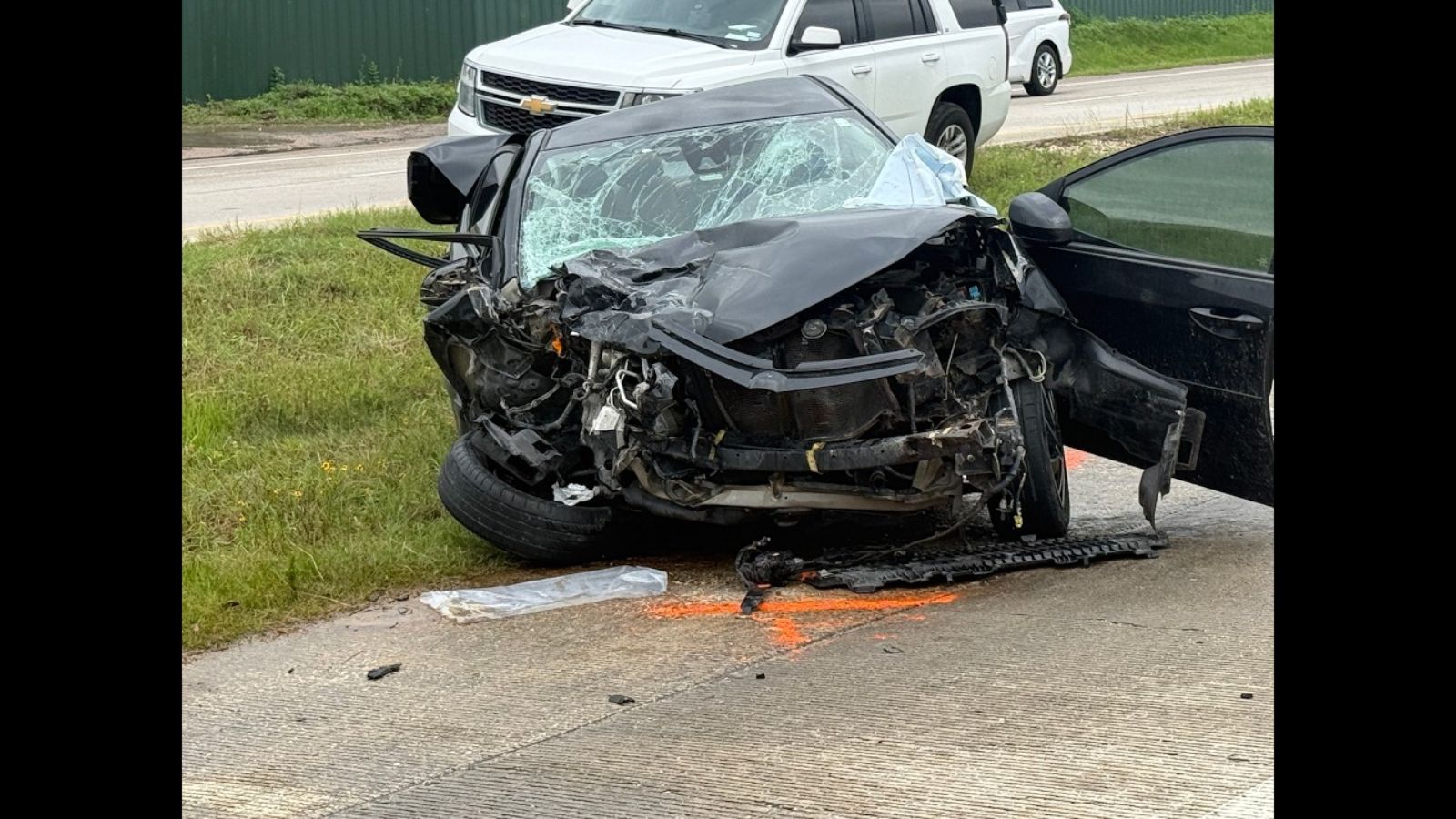
The first critical moment happened when the Toyota passenger vehicle lost stability on the wet freeway. A vehicle can lose control for several reasons during rainy conditions, including reduced tire grip, standing water, sudden braking, sharp steering, or a slick patch of pavement. Officials have not said exactly what caused the driver to lose control beyond the wet road conditions, but they confirmed the vehicle left its normal path of travel.
On a freeway like I-69, that type of loss of control can become dangerous almost instantly. Vehicles are usually moving at higher speeds than they would on a neighborhood street or city road. That means a driver has less time to correct a slide, and other motorists have fewer seconds to react when a vehicle suddenly moves across lanes.
Once the Toyota passenger vehicle began to lose control, the driver appeared to have been unable to bring it safely back into the lane. The vehicle struck the median, which marked the next major point in the crash sequence.
The Median Impact Changed the Direction of the Vehicle
The median strike was a turning point in the crash. When a vehicle hits a median, barrier, or divider, the force of the impact can push it in a new direction. Instead of continuing forward in a predictable line, the vehicle may bounce, rotate, or spin sideways.
That is what officials said happened in New Caney. After striking the median, the Toyota passenger vehicle spun into oncoming traffic. This detail helps explain why the crash became so severe. The vehicle was no longer moving normally with the flow of traffic. It had become an unpredictable hazard in the roadway.
For other drivers, this kind of situation is extremely difficult to avoid. A vehicle spinning from a median into traffic can appear suddenly, especially in dark or rainy conditions. Even if another driver sees the danger, stopping distance is longer on a wet road. Swerving can also create another risk because a sudden lane change might cause a second driver to lose control or hit another vehicle. In this case, the Toyota passenger vehicle entered the path of at least two other vehicles before the situation could be avoided.
Two Vehicles Then Struck the Toyota Passenger Car
After spinning into traffic, the Toyota passenger vehicle was hit by a Toyota pickup truck and a Ford F-150, officials said. Those two impacts turned the wreck into a three-vehicle crash. Pickup trucks are larger and heavier than most passenger cars, which can make a collision especially serious depending on the angle and speed of impact. Officials have not released the exact points of impact, the speeds involved, or where each vehicle came to rest after the crash.
Still, the confirmed sequence shows