

The Knicks had finally done it. The final buzzer sounded. The drought was dead. A city that had carried generations of basketball heartbreak suddenly had a championship again, and for a few shining moments, it felt like every streetlight in Manhattan belonged to the color orange and blue.
Then the celebration cracked open.
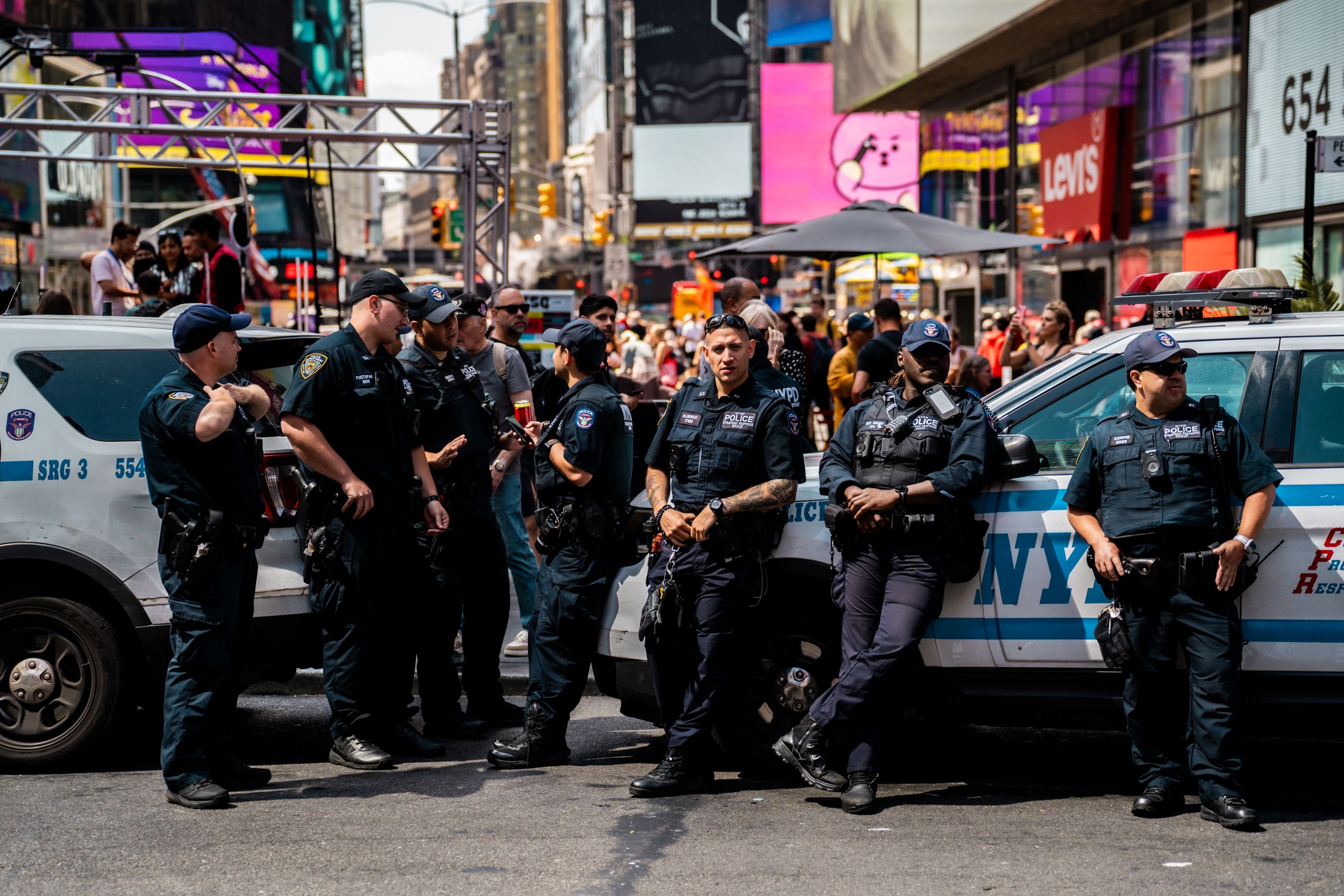
By the time the night of June 13 spilled into the early hours of June 14, what began as a citywide release of joy had turned into a public-safety crisis in Midtown Manhattan. A 17-year-old was shot. Four people were stabbed or slashed. Five school buses used for World Cup transportation were set on fire or destroyed. Police vehicles were damaged. Ten NYPD members were injured. Authorities said 63 people were arrested in incidents connected to the postgame celebrations.
The Knicks’ first NBA championship since 1973 will be remembered as a sports miracle in New York. But the violence that followed raised a harder question for the city: when does celebration stop being celebration and become a threat to everyone trapped inside it?
A Historic Win, Then a Dangerous Night

The Knicks defeated the San Antonio Spurs 94-90 in Game 5 of the NBA Finals, ending one of the longest waits in New York sports. For longtime fans, this was not just another trophy. It was the closing of an emotional wound.
Fathers who watched the old Knicks with their own fathers finally saw a new banner. Young fans who had only heard stories about 1973 finally had their own night. Bars erupted. Streets filled. Chants rose from packed crowds around Madison Square Garden, Times Square, and nearby blocks.
But New York’s joy moved fast, and so did the danger.
Police said crowds numbering in the tens of thousands became increasingly destructive. Fireworks were lit in crowded streets. People climbed traffic lights and other structures. Vehicles were hit, jumped on, and smashed. Large fights broke out. What should have been a night of public celebration turned into a long test of crowd control, emergency access, and basic civic restraint.
The most frightening incident involved a 17-year-old who was shot near Broadway and 43rd Street. Police said the crowd was so packed that an ambulance could not reach the teen, forcing officers to transport the victim to a hospital. Authorities said three people of interest were taken into custody, and a firearm was recovered.
That detail alone should stop the city cold.
In a crowd built for cheering, emergency workers could not easily reach a wounded teenager.
The Buses Became a Symbol
The most visible damage came near the Port Authority Bus Terminal, where school buses being used to move World Cup spectators were swarmed, battered, and set on fire.
Those buses were not symbols of police authority. They were not luxury cars. They were not team property. They were basic transportation vehicles, pressed into service for another major event happening in the same region. Their destruction turned the night into something larger than a sports crowd losing control.
It became a picture of how quickly public infrastructure can become a target when mob energy replaces individual responsibility.
According to reports, some people climbed onto buses, damaged them with bats, jumped on them and set them ablaze. The images were stunning: yellow buses glowing under smoke and flame while New York celebrated a championship it had waited more than half a century to see.
That is what made the night so jarring. The same victory that united millions of fans also exposed how vulnerable a city becomes when even a small portion of a crowd decides that rules no longer apply.
Public Joy Should Not Come With Public Fear
No serious person expects a championship celebration in New York to be quiet.
This is a city that knows noise. It knows parades, horns, chants, crowded sidewalks, and the beautiful disorder of public happiness. A Knicks championship was always going to bring people outside. It was always going to shake Midtown. It was always going to feel bigger than basketball.
But there is a hard line between loud joy and public danger.
A teenager being shot is not a celebration. People being stabbed or slashed is not passion. Burning buses is not fandom. Attacking vehicles with bats is not the love for a team. Injuring officers and blocking emergency access does not honor the Knicks, the city, or the fans who waited decades for this moment.
Most Knicks fans did not cause the chaos. Most came out to cheer, cry, hug strangers, and witness history. But mass gatherings are often judged by the damage caused by the few who push the night past its breaking point.
That is the cruel math of public disorder. A million peaceful fans can create a beautiful memory. A few reckless people can turn that memory into a police report.
The World Cup Factor Made the Night Bigger

The timing made the situation even more complicated.
The Knicks’ celebration came as New York and New Jersey were also handling World Cup-related transportation around MetLife Stadium. That meant the city was not only managing basketball fans pouring into the streets, but also international soccer crowds moving through an already strained regional system.
When buses connected to World Cup transportation were damaged, the issue became more than local rowdiness. It touched the city’s ability to host global events safely.
New York sells itself to the world as a place that can handle anything: championship parades, New Year’s Eve crowds, political summits, concerts, protests, marathons, and international tournaments. But nights like this become reminders that reputation depends on preparation.
The city can celebrate big. The question is whether it can celebrate safely.
A City That Loves Hard Must Plan Harder
There will be plenty of temptation to wave this off as “just New York being New York.”
That would be a mistake.
The better response is not panic, and it is not finger-pointing. It is preparation. New York knew a Knicks championship would bring enormous crowds. The city also knew the area around Madison Square Garden, Times Square, and Port Authority is one of the most congested urban zones in America. Add late-night emotion, alcohol, fireworks, social media dares, traffic pressure, and a once-in-a-generation sports win, and the risk was obvious.
A better plan must ask basic questions before the next massive celebration.
Can ambulances get through? Are transport routes protected? Are crowd exits clear? Are officers positioned in ways that prevent damage before it escalates? Are families, commuters, tourists, and workers protected from being trapped inside a crowd they did not choose to join?
These questions matter because New York is not done celebrating. The Knicks’ championship will live for years. The city will host more major sports moments, more international events, and more packed public gatherings.
The next time joy floods the streets, the city cannot afford to be surprised by what crowds can become.
The Knicks Deserved a Better Ending to Their Perfect Night
The tragedy of this story is that the Knicks gave New York something rare and beautiful.
They gave the city release. They gave fans a reason to believe. They gave older New Yorkers a memory they thought they might never see again, and younger fans a story they will tell for the rest of their lives.
That should have been the whole story.
Instead, the morning after came with burned buses, injured officers, shattered glass, arrest numbers, and a wounded teenager.
The championship remains historic. Nothing takes that away. But the violence around the celebration now sits beside it as a warning.
A great city should be able to pour into the streets without turning those streets into a danger zone. A fan base can be loud without being lawless. A victory can be wild without becoming violent.
New York waited 53 years for the Knicks to reach the mountaintop again.
The city should not have had to wonder, by sunrise, how much damage came with the view.


