
Austin’s Cost of Living Reality Check: The Boomtown That Won’t Stop Getting More Expensive
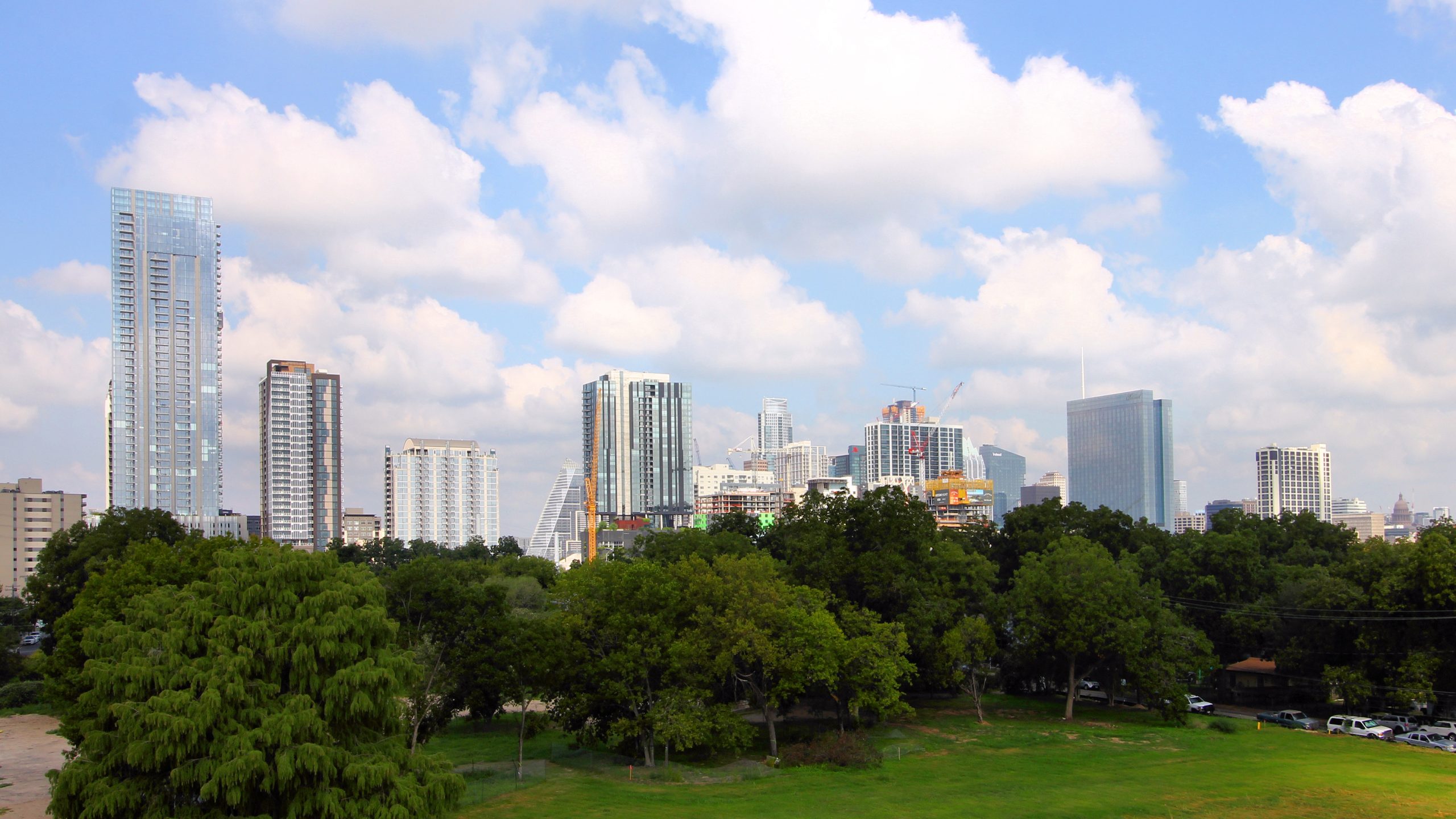
Image credits: Larry D. Moore, CC BY 4.0 , via Wikimedia Commons
Austin’s growth is now squeezing everyday affordability. Once sold as the city where opportunity felt endless, where tech money, live music, and wide-open growth could all fit into one skyline, Austin in 2026 tells a more complicated story. The same growth that made Austin one of America’s most talked-about cities is now pushing everyday affordability to its limits.
Austin is still growing, still attracting new residents, and still expanding its economy. But the takeaway is clear: for many who already live there, staying is becoming the harder part of the equation. Fresh housing data, labor reports, and cost-of-living indexes all point in the same direction.
The Price of Growth Is Now Showing Up in Daily Life
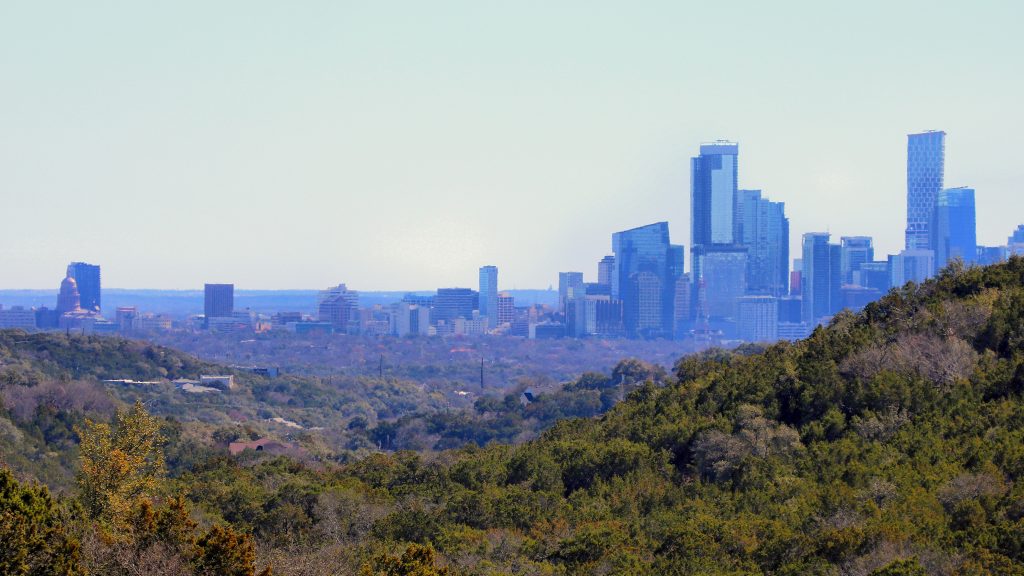
Austin home values remain well above the national average, and housing is the clearest pressure point. Recent market data from major housing trackers such as Zillow Research, Redfin, and the federal Census Bureau show that even after the extreme pandemic-era surge has cooled, prices remain elevated.
Monthly rents across many Austin neighborhoods remain elevated, especially near major employment centers and tech corridors. Apartment market data tell a similar story: while price growth has slowed relative to earlier spikes, the baseline cost has not returned to what many long-term residents once considered normal.
The result is a city where “stabilization” still feels expensive. For many households, the issue is no longer rapid increases, but the reality that prices never truly reset.
Why Austin Keeps Getting More Expensive, Even When Growth Slows
Austin’s affordability strain is not happening by accident. It is the result of multiple forces colliding at once.
Strong in-migration is one of the biggest drivers of Austin’s affordability strain. Census and regional planning estimates continue to show population growth across the metro area, fueled by job opportunities, lifestyle appeal, and Texas’s relatively lower tax burden compared to coastal states. Each wave of new residents adds to demand in an already tight housing market.
But supply has not kept pace. Even with increased construction activity, housing development has struggled to keep pace with population growth and investor demand. That imbalance keeps pressure on both rents and home prices.
Higher-paying industries, especially technology and professional services, have intensified housing competition in desirable areas. Austin’s economy has shifted toward these sectors, raising average incomes in some places but also crowding the same limited supply of homes. In practical terms, more high earners are now competing for housing.
How Austin Compares to the Rest of Texas
Austin stands out within Texas because it is expensive and because it pulled away from other major cities so quickly. Data from cost-of-living comparisons and housing reports show that it has moved far beyond nearby markets in a short period.
Data from cost-of-living comparisons and housing reports show that cities like San Antonio and El Paso remain significantly more affordable in both rent and homeownership costs. Houston and Dallas sit somewhere in the middle, offering more varied pricing depending on neighborhood, but still generally below Austin’s peak levels.
What makes Austin different is the speed of change. Other Texas cities have seen gradual increases. Austin has experienced a steeper climb over a shorter period, creating a noticeable affordability gap within the state. For residents moving within Texas, the difference can be immediate and significant. The same income that supports a stable lifestyle in one metro area often stretches far less in Austin.
The People Feeling the Pressure First
The impact of Austin’s cost-of-living surge is not evenly distributed.
Renters are among the most exposed to Austin’s cost-of-living surge. Service workers, early-career professionals, educators, and gig economy earners are increasingly finding that housing consumes a larger share of monthly income than in previous years. Even modest rent increases can reshape entire household budgets.
First-time homebuyers face a direct barrier to ownership. Even with slower price growth, the combination of higher interest rates and elevated home values continues to push ownership further out of reach for many younger residents. As a result, some are delaying purchases, while others are relocating to surrounding suburbs where prices are lower but commutes are longer.
Longtime homeowners are also feeling pressure. Rising property taxes, insurance costs, and maintenance expenses are adding strain even for those who bought years ago at lower prices. In some cases, residents who expected stability are now reassessing the place’s long-term affordability.
What Could Decide Austin’s Next Chapter
Austin’s housing and affordability trajectory will likely depend on a few key variables moving forward, and the next step is to watch which ones shift first.
Housing supply is the most important factor in Austin’s next chapter. If construction accelerates meaningfully, particularly in mid-range and entry-level housing, it could help reduce upward pressure on prices. If not, demand will continue to outpace availability.
Interest rates will also shape the market. Higher borrowing costs tend to slow demand, but they can also make homeownership harder for new buyers even as they cool price growth.
Local policy decisions around zoning, density, and development approvals may quietly play one of the biggest roles of all. Cities that successfully expand housing options tend to see more stable long-term affordability trends. Finally, job growth will continue to influence demand. If high-paying industries continue to concentrate in Austin without a corresponding expansion in housing, affordability challenges are likely to persist.
A City That Is Still Growing, But No Longer Easy
Austin is not shrinking. It is not slowing dramatically. Instead, it is tightening.
The city still attracts talent, investment, and new residents. But the cost of joining that growth is rising. What was once marketed as an accessible boomtown now, for many, feels like a city that demands careful financial calculation to remain in place.
Austin’s future will not be defined by whether it grows. It already is. The real question is who will still be able to afford to stay as it does, and what happens next.
