
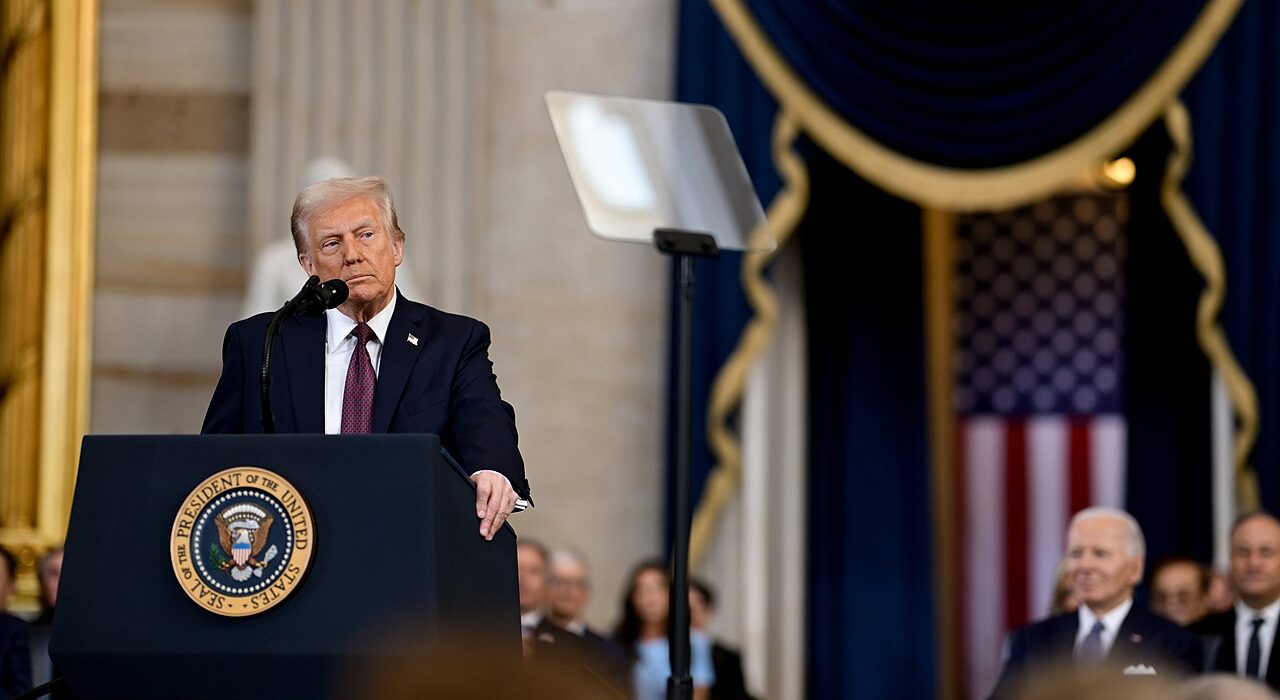

President Donald Trump has built much of his political identity around one promise: life should cost less under his watch. Yet this week, as Americans looked at another painful inflation report, Trump offered a line that landed like thunder across Washington and kitchen tables alike: “I love the inflation.”
The remark came after the latest government data showed consumer prices climbing again in May, pushing the annual inflation rate to 4.2 percent. For families already measuring grocery trips by the dollar, delaying car repairs, or watching gas prices chew through weekly wages, the phrase sounded less like economic confidence and more like political danger.
Trump did not frame the new numbers as a crisis. Instead, he praised them, arguing that the pressure was tied largely to energy costs and the war with Iran. His message was clear: the inflation spike, in his view, was temporary, explainable, and likely to fall once the conflict settles.
But politics rarely gives presidents the luxury of footnotes. A president can talk about global oil routes, military operations, and future price drops. A parent at a gas pump sees the total on the screen.
A Risky Line at the Worst Possible Time

The timing could hardly be more sensitive. The economy remains one of the central issues for voters heading toward the November midterm elections. Trump campaigned in 2024 on defeating inflation quickly and restoring affordability. That promise helped him speak directly to workers, retirees, small business owners, and families who felt squeezed during earlier price surges.
Now, instead of celebrating falling costs, the White House is trying to explain why higher prices may not be as bad as they look. The Consumer Price Index report showed that energy rose sharply in May. Gasoline increased 7 percent for the month, while overall energy prices were up 23.5 percent compared with a year earlier.
Food also continued to rise over the year, even if grocery prices moved more slowly in May than in earlier months. Those numbers matter because inflation is not an abstract graph for ordinary households. It is the difference between filling the tank and topping it halfway. It is the cheaper brand at the supermarket.
It is the family dinner that has moved from a restaurant to the kitchen. It is the small business owner deciding whether to raise prices again and risk losing customers that makes Trump’s phrase so explosive. “I love the inflation” may have been intended as bravado, spin, or shorthand for a defense of the report. But in politics, short sentences travel faster than long explanations.
The White House Sees a Silver Lining
The administration’s defense is that the inflation report was not all bad news. Some categories did fall in May, including new vehicles, prescription drugs, and motor vehicle insurance. The White House has argued that Trump’s affordability agenda is still working beneath the surface and that the main pressure point is energy, not broad consumer demand.
That distinction is economically important. Core inflation, which strips out food and energy, rose 2.9 percent over the year. That is still above the Federal Reserve’s preferred comfort zone, but it is lower than the headline number. In simple terms, the administration wants Americans to believe that the current pain is being driven by wartime oil shocks, not by a broken domestic economy.
Democrats Find a Ready-Made Attack Line
That is the kind of line campaigns dream about. It does not require a white paper. It does not require a long explanation of energy indexes or monetary policy. It fits on a screen, in an ad, and in a stump speech.
For Democrats, the political opening is obvious. They can argue that Trump is out of touch with the daily anxiety of working families. They can tie the remark to grocery bills, gas receipts, rent checks, and credit card balances. They can ask voters whether any household in America loves inflation.
Republicans, meanwhile, face a more complicated challenge. They must defend the president without appearing to defend higher prices. They can argue that Trump was talking about specific parts of the report, future relief, or the administration’s broader economic direction.
But the words themselves are blunt, memorable, and hard to soften. The danger for Trump is not only that critics will use the quote. It is that voters may already feel it.
Why the Numbers Hit Families So Hard
Inflation at 4.2 percent does not mean every price rose by the same amount. Some prices fell. Others climbed fast. But the categories rising the most are the ones many households cannot avoid.
Energy costs affect more than drivers. They ripple