


The World Cup may expose something deeper than distracted employees and missed meetings: a workplace trust problem.
As millions of workers prepare to follow matches during office hours, employers are facing a familiar problem in a new form. The question is not only how much productivity will be lost. It is whether companies still understand how people actually work when global events collide with rigid schedules and exposed trust gaps.
A new survey from UKG estimates that the 2026 World Cup, which will be hosted largely in the United States, could cost employers about $17 billion in lost productivity worldwide. The tournament runs from June 11 to July 19 and will feature 48 nations across 104 games, making it the largest World Cup in history and the first to be played mostly on American soil.
The survey found that 37% of workers plan to adjust their schedules because of the tournament. Some may arrive late. Some may leave early. Some may call out. Others may stream highlights while pretending to work. That sounds like a problem for employers. It is. But it also raises a harder question for managers: why are so many workers preparing to bend the rules instead of simply asking for flexibility, and what does that say about trust?
The office clock may be the real opponent.
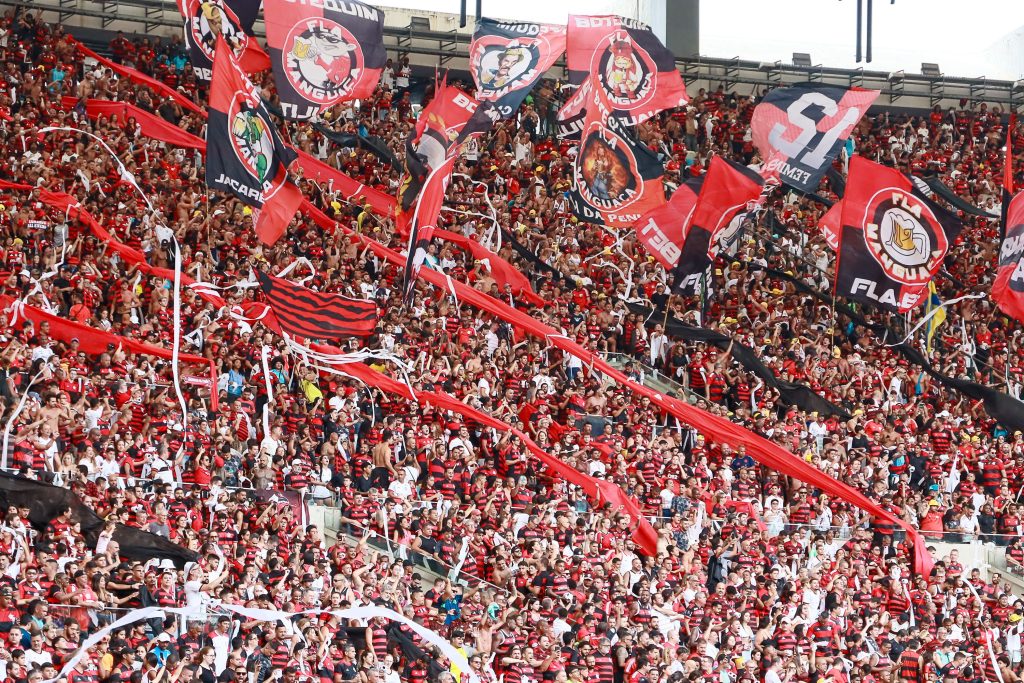
Employers often see major sports events as productivity threats. Workers see them differently. For many, the World Cup is a shared cultural moment, especially for employees with family ties, national roots, or deep emotional connections to the teams playing.
That does not erase the business cost. Work still has to get done. Customers still need service. Teams still need coverage. But the old solution of pretending nothing is happening may no longer work. In a workplace already shaped by remote work, flexible hours, hybrid schedules, and burnout, the World Cup becomes a stress test for company culture and trust.
If a worker can finish tasks early, trade shifts, or make up time later, strict office-hour rules may feel outdated. If managers refuse to offer any flexibility, some employees may choose to keep things secret. That is where the real cost begins.
Absenteeism is expensive, but resentment costs more.

The survey points to possible lost productivity, including missed work, late arrivals, early departures, and on-the-clock streaming. For American employers, the projected hit is especially large, with UKG estimating $11.7 billion in lost productivity, underscoring the event’s unique impact on U.S. workplaces this year.
Those numbers will get attention; they should.
Still, employers may lose more by mishandling the moment. A workplace that responds with suspicion may create tension, while a workplace that plans may protect morale and operations. That could mean staggered schedules. It could mean watching breaks for major matches. It could mean clearer rules around coverage, deadlines, and customer-facing roles.
The goal is not to turn every office into a fan zone. The goal is to reduce surprises.
Workers are more likely to respect boundaries when the boundaries feel realistic.
Managers are part of the story, too.
The survey also found that managers are not immune to the tournament’s pull. Many are likely to request time off or seek last-minute flexibility on their own.
That matters because it weakens the simple boss-versus-worker framing.
The World Cup is not only tempting rank-and-file employees. It is also tempting the people responsible for enforcing the rules.
That makes honest planning even more important. If managers want flexibility, workers will expect the same logic to apply across the organization.
A company that quietly allows senior staff to adjust schedules while frontline workers face tighter controls could quickly damage trust.
The smartest employers will plan, not punish
The most practical response may be simple: treat the World Cup like a predictable workplace event, not a surprise disruption.
The dates are known. The scale is known. The interest is obvious.
Employers who wait until absences pile up will already be behind. The smarter move is to identify high-demand matches, prepare staffing plans, communicate expectations, and make flexibility clear before workers start making their own hidden arrangements.
That approach protects the business without pretending employees are machines.
Some roles cannot pause for a match. Hospitals, warehouses, restaurants, transit systems, call centers, and retail floors need coverage. But even in those settings, planning can reduce conflict. The point is not unlimited flexibility. It is managed with flexibility: clear rules, clear coverage, and clear expectations.
A global tournament meets a changing workplace.
The 2026 World Cup will be played across the United States, Canada, and Mexico, with the majority of matches taking place in American cities. It will also unfold in U.S. offices, break rooms, warehouses, home workstations, and group chats, making its presence felt across workplaces nationwide.
That is why the workplace story is bigger than lost hours. For employers, the tournament is a test of leadership. For workers, it is a test of trust.
For employers, the tournament is a test of leadership. For workers, it is a test of trust. For companies still trying to define the post-pandemic workplace, it is a reminder that culture is not built only during formal meetings. It is built through how they respond now.
Sometimes it is revealed when a match kicks off at noon, and everyone already knows who is pretending not to watch. The World Cup may cost American employers billions. But the companies that handle it badly could lose something even more important: the trust of workers who want to be treated like adults.


