
10 Common Misconceptions About Islam
Islam is one of the world’s major religions, with over 1.9 billion followers spanning every continent. Despite its global reach, widespread misconceptions persist, shaping public perception and fueling cultural misunderstandings.
By examining and clarifying common myths, we can develop a deeper, more accurate understanding of Islam, its teachings, and its diverse global community.
Children Have No Rights
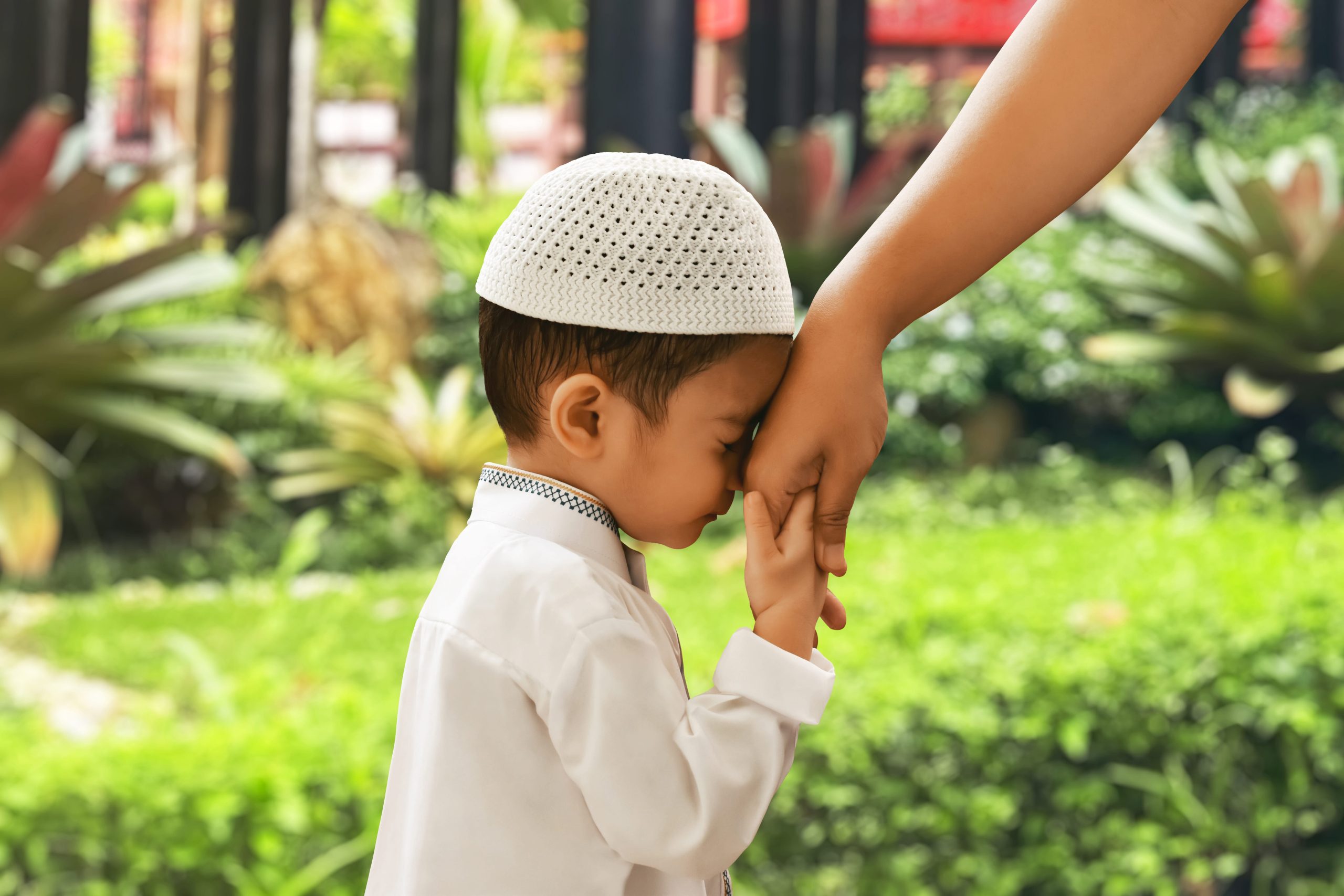
Islamic law strongly safeguards the rights of children, mandating proper upbringing, education, and equitable treatment. Children are entitled to financial support, ethical guidance, and protection from physical harm.
Guardians are responsible for nurturing children into morally responsible adults, ensuring equal treatment in inheritance and other legal matters. Islam emphasizes the holistic development of children, recognizing education and moral instruction as central to individual and societal well-being.
Prophet Muhammad Was a Pedophile
Prophet Muhammad’s marriage to Aisha occurred after she reached puberty, in accordance with 7th-century Arabian norms. Historical context distinguishes this practice from modern definitions of pedophilia.
Islamic law requires consent and legal accountability post-puberty. The marriage was socially sanctioned and celebrated within the community, emphasizing historical and cultural understanding rather than present-day interpretations.
Muslims Reject Jesus
Contrary to popular belief, Islam honors Jesus (Isa) as a central prophet. Muslims affirm the virgin birth, his miracles, and his role as a messenger of God. While Islam does not view Jesus as divine, his teachings are considered integral to the ethical and spiritual framework of the faith.
Jesus is referenced in multiple Quranic passages as an exemplar of virtue and moral integrity, highlighting the shared roots between Islam and Christianity while maintaining distinct theological perspectives.
Muslims Are Terrorists
Terrorism is a distortion exploited by fringe groups, not representative of Islam. The Quran condemns unprovoked aggression, promoting defense without transgression: “Fight in the way of Allah those that fight you but do not transgress limits.”
Media portrayal often mislabels violent acts by extremists as Islamic mandates, perpetuating stereotypes. The overwhelming majority of Muslims practice peace, charity, and ethical living aligned with the faith’s teachings.
All Muslims Are Arabs
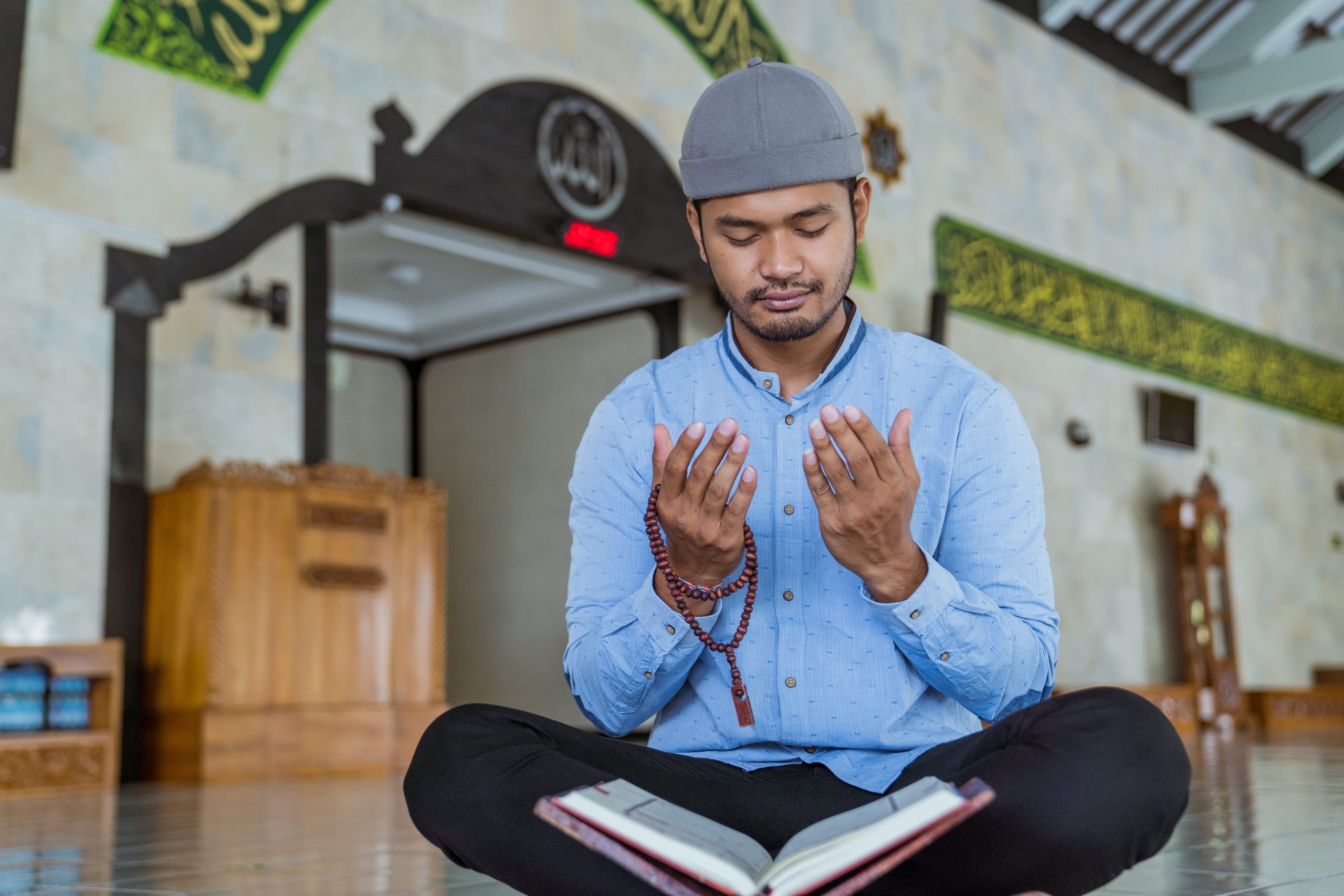
A common stereotype portrays Muslims as exclusively Arab men with traditional attire. In reality, Arabs make up only about 15% of the global Muslim population. The largest Muslim communities are in Asia, including countries like Indonesia, Pakistan, and India, accounting for roughly 69% of adherents.
Africa follows with about 27%. Moreover, not all Arabs are Muslim; many practice Christianity, Judaism, and other faiths. Islam is a universal religion that transcends ethnicity, language, and nationality, uniting diverse populations under shared spiritual principles.
Islam Spread by the Sword
Historical evidence demonstrates that Islam’s expansion was primarily through trade, scholarship, and voluntary conversion. Non-Muslim communities maintained places of worship and autonomy under Islamic governance.
The spread of Islam involved diplomacy, cultural exchange, and ethical governance, rather than forced conversion. The adoption of Islam by the Mongols and others further highlights the voluntary nature of the spread o
Jihad Equates to Violence
The term “jihad” literally means “struggle” or “striving” in the way of God, encompassing moral, spiritual, and ethical endeavors. Jihad manifests in various forms: Jihad al-nafs (struggle against one’s own shortcomings), Jihad bil-lisan (advocacy and dialogue), Jihad bil-yad (ethical action), and Jihad bis-saif (armed struggle, strictly regulated).
The Quran emphasizes that spiritual self-improvement is the “greater jihad,” highlighting personal ethics and societal contribution over physical conflict. Martyrdom is recognized for various forms of sacrifice in service to God, not solely combat.
Women Have No Rights
Islamic law granted women rights unprecedented in pre-Islamic Arabia, condemning female infanticide and advocating for education, property rights, and marital consent. Women are considered equal in spiritual and moral capacity, with autonomy to accept or reject marriage proposals, seek divorce, and participate in social and educational spheres.
Cultural practices that restrict women’s rights in some countries reflect societal norms rather than core Islamic teachings.
Muslims Are Barbaric in War

Islamic warfare ethics are guided by strict principles prohibiting treachery, mutilation, targeting non-combatants, and destruction of civilian property. Historical records, such as Saladin’s treatment of Crusaders, illustrate adherence to ethical standards, providing food and safe passage to defeated enemies
Islam emphasizes justice, proportionality, and humanitarian conduct, ensuring combat remains ethical and regulated.
Islam Is Intolerant Toward Other Religions
Islamic teachings promote religious tolerance and the protection of non-Muslim communities. The Quran encourages equitable treatment of those who do not engage in aggression: “God does not forbid you, with regards to those who fight you not for religion nor drive you away, from dealing kindly and justly with them.”
Historically, leaders such as Caliph Umar ensured the safety of religious minorities, allowing freedom of worship and legal protection for Christians, Jews, and others. Islam’s ethical framework mandates respect, justice, and peaceful coexistence with people of all faiths.
Conclusion
Islam is a multifaceted faith rooted in ethics, compassion, and spiritual discipline. Dispelling these misconceptions promotes informed understanding, cross-cultural respect, and global cohesion.
Accurate knowledge of Islam enriches interfaith dialogue, counters prejudice, and highlights the universal principles of justice, mercy, and ethical conduct central to the religion.
Read the original article on crafting your home
