


A U.S. Army Apache helicopter crash near the Strait of Hormuz has turned into a sharp new test of the fragile pause between Washington and Tehran. What began as a military incident near one of the world’s most sensitive waterways has now triggered American strikes, Iranian retaliation, air-defense alerts across the Gulf, and fresh doubts over whether diplomacy can survive another round of force.
We are watching a dangerous pattern return. A single battlefield event becomes a political trigger, each side answers with a limited strike, and then both governments insist they are still trying to avoid a wider war. That is the thin line now running through the latest U.S.-Iran confrontation.
The United States says its forces acted in self-defense after the Apache went down. Iranian officials criticized the U.S. response and warned against further escalation. Gulf states, meanwhile, have been drawn into the tension because American military facilities are located across the region, making any exchange between the two powers a regional emergency rather than a private fight.
U.S. Strikes Iran After Apache Helicopter Goes Down Near Hormuz

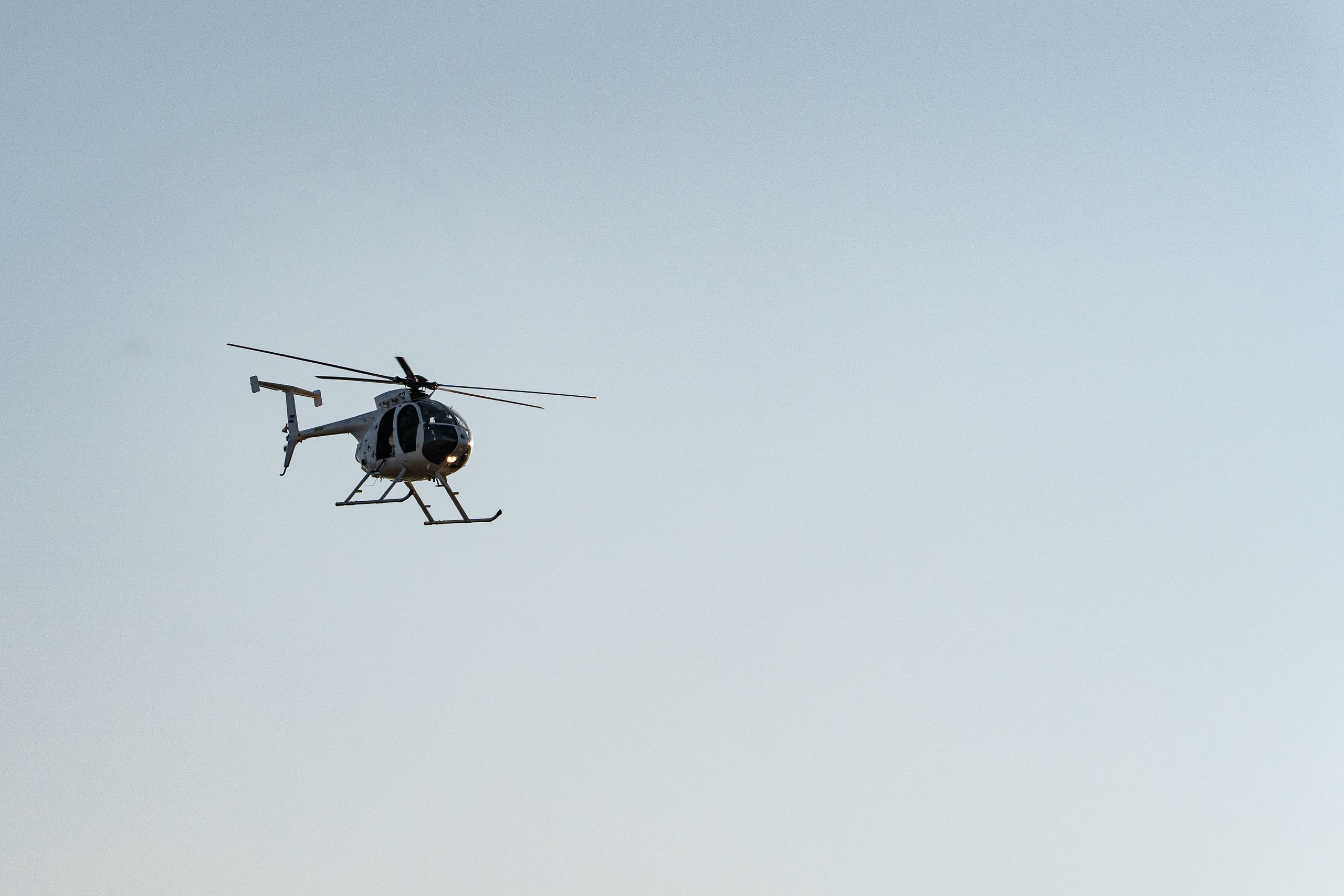
The confrontation began after a U.S. Army AH-64 Apache helicopter went down near the Strait of Hormuz, the narrow waterway linking the Gulf to global energy markets. President Donald Trump blamed Iran for the incident and said the United States had to respond, although U.S. officials have also indicated that the exact circumstances remain under investigation.
The two American crew members survived. Reports said they were rescued after the crash, a detail that kept the incident from becoming a direct personnel-loss crisis but did not stop it from escalating into a military exchange. In a region already filled with drones, patrol aircraft, naval assets, and missile systems, even an incident without fatalities can rapidly become a strategic flashpoint.
U.S. Central Command later said American forces carried out strikes against Iranian air defense, ground-control, and surveillance radar sites near the Strait of Hormuz. The U.S. described the operation as a proportional self-defense response, framing the targets as military systems tied to threats against U.S. forces and commercial shipping.
That wording matters. Washington is trying to present the strikes as limited, not as the opening move in a broader campaign. But Tehran sees any American attack on Iranian territory or military infrastructure as a violation that requires an answer. That is why the Apache crash did not remain a single aviation incident. It became the latest pressure point in a conflict where both sides want deterrence, leverage, and room to claim they did not back down.
Iran Retaliates as Gulf States Brace for Missile and Drone Threats
Iran responded with missile and drone attacks aimed at U.S. military positions across the region. Iranian forces said they targeted American facilities in Jordan, Kuwait, and Bahrain, while regional air defenses were activated to intercept incoming threats. Jordan said it intercepted missiles, Kuwait reported hostile aerial targets, and Bahrain also faced alerts linked to the retaliation.
This is the part of the story that makes the confrontation especially dangerous. The battlefield is not limited to the Strait of Hormuz. American bases and assets are spread across several Gulf and Middle Eastern countries, which means any U.S.-Iran exchange can immediately involve nations that do not want to become central players in the war.
Iran’s strategy appears aimed at showing that strikes near its territory can carry consequences elsewhere. By targeting or threatening American-linked facilities across the region, Tehran is signaling that it can widen the cost of U.S. action without necessarily launching a full-scale war. That creates a difficult calculation for Washington because every strike designed to restore deterrence may invite another response.
At the same time, the lack of immediate confirmed U.S. casualties or major base damage gives both sides some room to stop. In military crises, damage levels matter because leaders often use them to justify either escalation or restraint. For now, the exchange has been serious enough to alarm the region but not yet devastating enough to make a wider war unavoidable.
Fragile Peace Talks Face Another Blow After Tit-for-Tat Attacks
The timing is critical because the U.S. and Iran have been trying to keep diplomatic channels alive despite earlier fighting. Negotiators have been working around disputes involving the Strait of Hormuz, Iran’s nuclear program, sanctions, and the broader security shape of the Gulf. The latest exchange now makes every part of that process harder.
President Trump has said Iran took too long to negotiate a deal and warned that Tehran would pay a price. Iran, in turn, has said it may reassess diplomatic engagement after what it views as repeated ceasefire violations. That language does not necessarily mean diplomacy is dead, but it does show how quickly talks can become hostage to battlefield events.
Qatar’s mediation role remains important. Reports said Qatari representatives were still engaging with Tehran after the strikes, suggesting that neither side has completely shut the door. But mediation becomes much harder when missiles and drones are moving across the same region where diplomats are trying to slow the conflict down.
We should see the current crisis as a contest over leverage as much as a contest over force. Washington wants to show that attacks on U.S. aircraft and shipping routes will draw a response. Tehran wants to show that American military pressure will not be cost-free. Both governments may still want a deal, but they are also trying to shape it through pressure rather than negotiation alone.
That is why the situation feels so unstable. Each side may believe it is acting carefully, yet the region is filled with military assets, civilian shipping routes, allied bases, and political deadlines. A limited strike can be planned, but the response to it cannot always be controlled.
Why the Strait of Hormuz Makes This Crisis Bigger Than One Helicopter
The Strait of Hormuz is not just another military zone. It is one of the world’s most important energy corridors, and any disruption there can affect oil prices, shipping insurance, regional markets, and diplomatic calculations far beyond the Gulf. When U.S. and Iranian forces clash near that waterway, the impact reaches capitals, companies, and consumers across the world.
For Washington, patrols near Hormuz are tied to freedom of navigation and the security of commercial shipping. For Tehran, the same patrols can be seen as pressure near Iranian territory and a challenge to its regional influence. That difference in interpretation is what makes the area so combustible.
The latest strikes also show how modern conflict in the Gulf is no longer only about ships and fighter jets. Drones, radar systems, air-defense networks, unmanned vessels, missiles, and electronic surveillance all shape the battlefield. A helicopter crash can involve questions about drone contact, radar tracking, rescue technology, and command decisions within minutes.
For now, the immediate