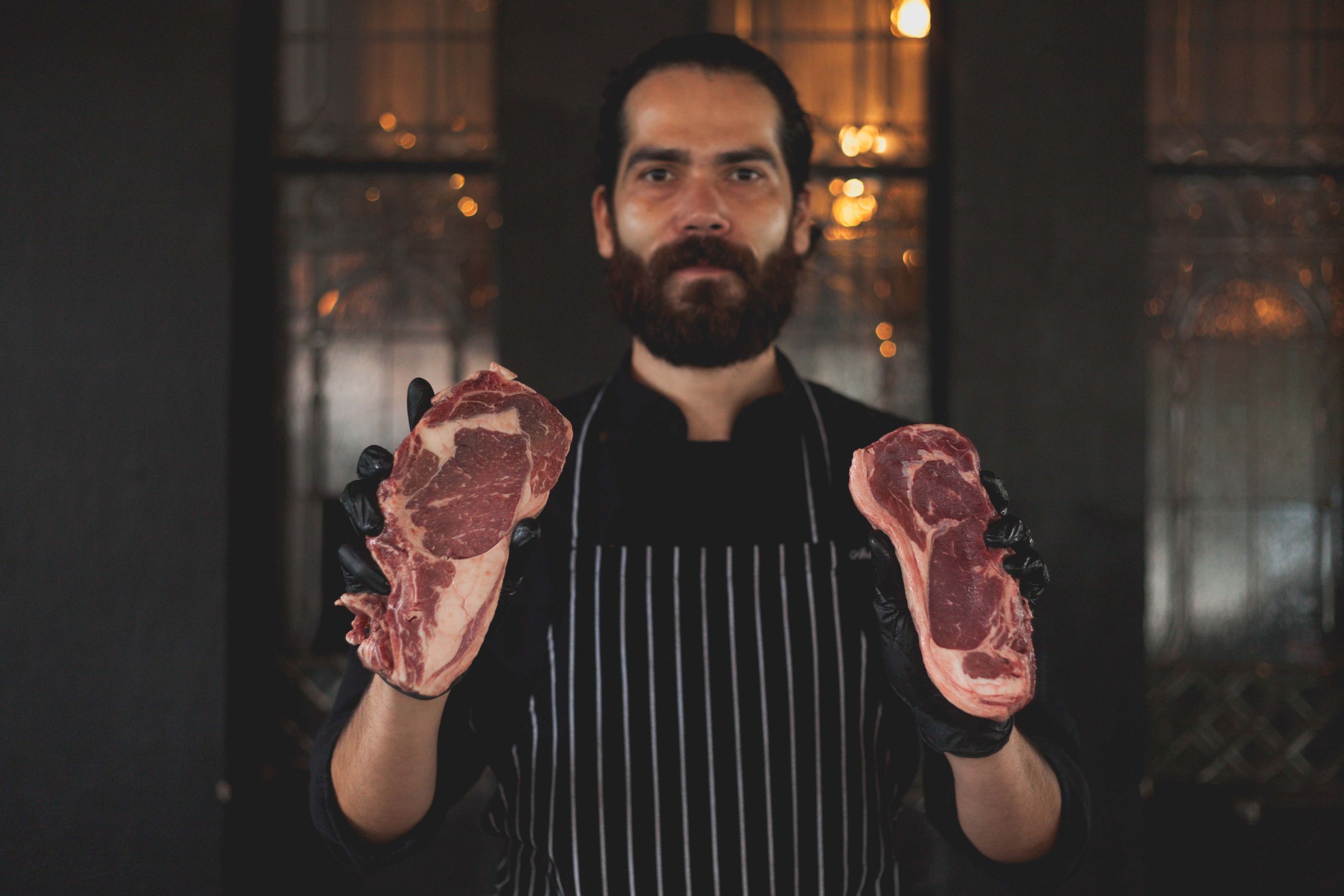
Ribeye used to feel like the easy luxury of the meat case. You picked the prettiest steak, took it home, seasoned it heavily, and hoped the first bite justified the price. That casual approach is harder to defend now. Steak prices are still under pressure, and ribeye is one of the cuts where a careless choice can turn one dinner into an expensive disappointment.
The good news is that shoppers are not powerless. A better ribeye purchase often comes down to reading the package, comparing the meat instead of just the price, and knowing when a cheaper pack is actually the better steak.
The sticker Price is only the First Warning Sign

A ribeye can look like a deal until you study what you are actually paying for. A lower price per pound means less if the package is thin, uneven, poorly trimmed, or packed with steaks that will cook at different speeds.
This matters because beef prices are being squeezed by supply pressures, not just grocery-store greed. When cattle supplies are tight and production forecasts fall, retailers have less room to discount premium cuts, so shoppers need to be more selective.
The smarter move is to compare ribeye against the broader steak market. If all uncooked beef steaks are already sitting high nationally, a ribeye that looks unusually cheap should make you inspect the cut more carefully, not celebrate too quickly. Some cheaper packs are excellent values. Others are cheap because the steaks are thin, low in marbling, poorly cut, or taken from a less attractive part of the rib section.
Marbling Should Make or Break the Purchase
Ribeye is not supposed to be a plain red slab with a strip of fat on the edge. The whole appeal is the intramuscular fat running through the lean meat, because that fat helps create the rich, buttery flavor people expect from the cut.
Look for small white flecks and fine streaks spread throughout the steak. A ribeye with fat only around the outside may still taste good, but it will not deliver the same juicy bite as one with even marbling through the center.
This is where shoppers often waste money. They see the word ribeye and assume every package offers the same eating experience, but two steaks with the same label can cook and taste very differently. A beautiful Choice ribeye can beat a dull-looking Prime ribeye if the Prime steak does not visibly justify its higher price. The label matters, but your eyes still have to do the final judging.
The Grade Matters, but it is not the Whole Story
USDA Prime, Choice, and Select are not just fancy words on a package. Prime generally has the most marbling; Choice has less but can still be high quality; and Select is leaner, with less of the juiciness and flavor that steak lovers expect from ribeye.
That does not mean every shopper needs to chase Prime. For many home cooks, a well-marbled Choice ribeye is the sweet spot because it offers strong flavor without the steepest price tag.
The mistake is paying Prime prices without checking whether the steak actually looks better. Some Prime packs are worth the splurge, especially for a holiday meal or special dinner, but others do not look dramatically better than a good Choice steak sitting nearby. Ungraded beef needs even more caution. It may still be perfectly fine, but without a clear grade shield, shoppers should lean harder on visual checks such as marbling, color, thickness, and freshness.
Thickness Can Ruin a Good Steak

A thin ribeye can go from perfect to overcooked in minutes. That matters because ribeye carries enough fat to reward a hot sear, but it still needs enough thickness to develop a crust before the inside races past the doneness you wanted.
Look for steaks that are at least reasonably thick and consistent from edge to edge. If one end is much thinner than the other, the thinner side may dry out while the thicker side is still catching up. Thickness also matters when buying multipacks. If one steak is thick and another is thin, they should not hit the grill or pan at the same time unless you plan to pull them at different moments.
This is one reason value packs can be either brilliant or risky. They may offer a lower price per pound, but the better pack is the one where the steaks look similar enough to cook evenly.
Value Packs Deserve a Second Look
Many shoppers ignore larger packs because the total price looks scary. That can be a mistake, especially when the price per pound is lower, and the meat quality looks better than that of the smaller package beside it.
A family pack can be a smart buy if the steaks have good marbling, consistent thickness, and no signs of dry edges or grayish fat. You are not just buying more meat; you are buying future meals at today’s price.
The key is to think like a freezer shopper. If ribeye goes on sale around grilling holidays, buying extra and properly freezing portions can help you avoid paying a higher price later. Wrap each steak tightly, press out as much air as possible, label the date, and freeze quickly. Freezing does not improve a mediocre steak, but it can preserve a good deal when you find one.
Bone-in Ribeye is not always the Better Deal
Bone-in ribeye looks dramatic, especially when it is sold as a cowboy steak or tomahawk. It photographs well, feels restaurant-worthy, and makes a grill look serious. The problem is that you are paying steak prices for bone weight. A massive bone can make the package look impressive while reducing the actual amount of edible meat your money buys.
That does not make bone-in ribeye a bad purchase. It can be great for presentation, special occasions, and people who enjoy cooking meat on the bone. It just means you should buy it on purpose, not because it looks bigger. If your goal is maximum edible steak for the money, boneless ribeye often gives you a clearer comparison.
Color and Freshness Still Matter

A good ribeye should look fresh, moist, and appealing, not dull, dry, or tired. Bright cherry red color is common in fresh retail beef, but darker red can also appear depending on packaging and oxygen exposure. What should worry you is meat that looks gray, sticky, dry around the edges, or surrounded by excess liquid. Fat should look creamy white rather than yellowed, dry, or brittle.
Also check the sell-by date, the packaging seal, and whether the meat case feels properly cold. A high price does not protect you from a poorly handled package. Once the steak gets home, food safety still matters. Cook whole beef steaks to a safe internal temperature, use a thermometer instead of guessing, and let the meat rest before slicing so the final bite tastes as expensive as the purchase felt.
Conclusion
Buying ribeye right now is no longer the kind of grocery decision shoppers can make on autopilot. Prices are too high, quality varies too much, and the difference between a great steak and a disappointing one can be as simple as sitting in the same meat case.
The smartest shoppers are not just chasing the cheapest pack or the biggest cut. They are checking the marbling, comparing grades, watching the thickness, studying value packs, and thinking carefully before paying extra for bone-in drama. A ribeye should feel like a reward, not a regret.
In a market where every pound costs more than it used to, the best steak is not always the one with the fanciest label. It is the one that gives you real flavor, fair value, and a reason to feel confident before it ever touches the pan or grill.