

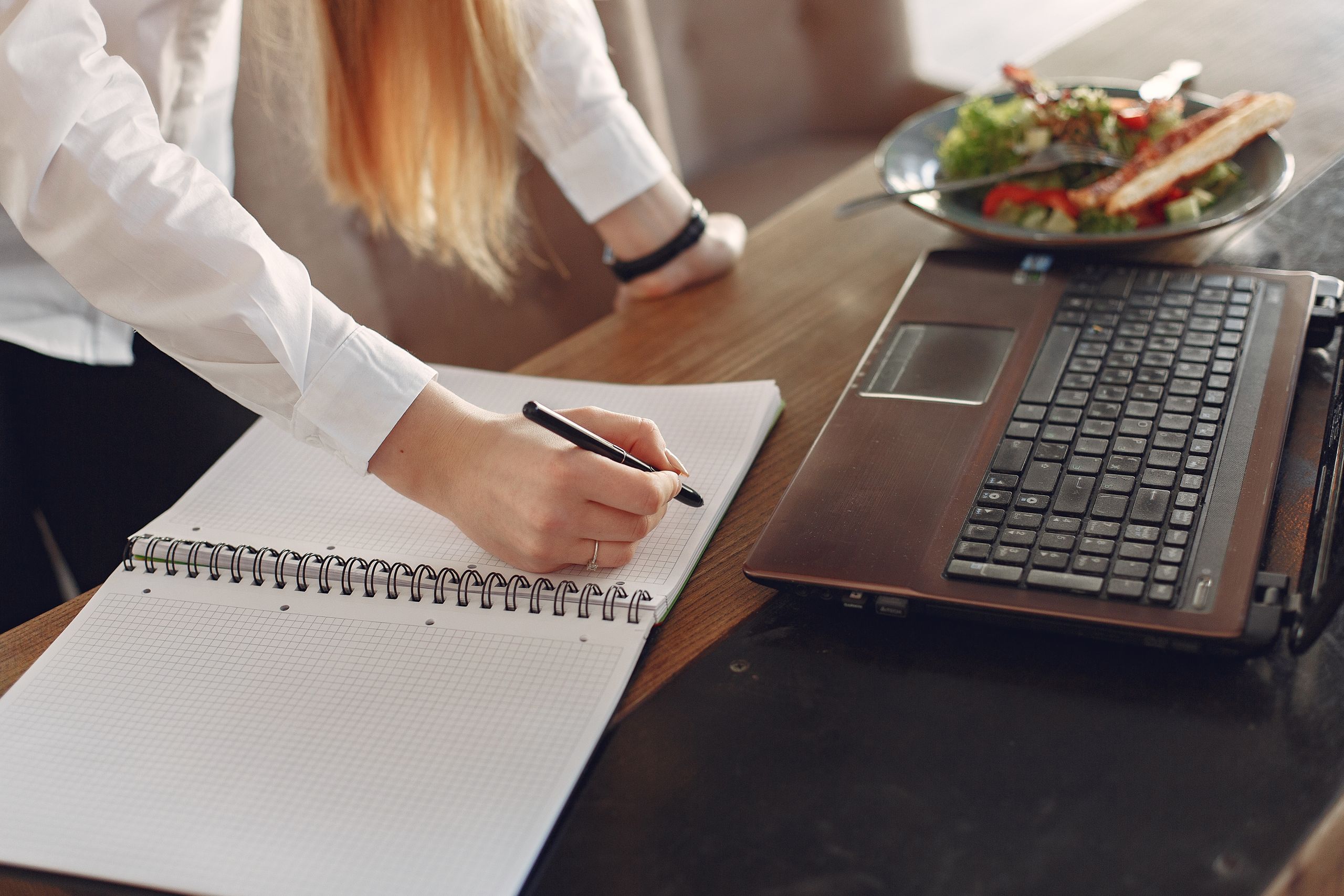
Eating at your desk looks harmless until the crumbs, stress, sore neck, and half-finished emails start piling up together. It feels efficient because you are technically working and eating at the same time, but your body and brain usually get the short end of the stick.
Lunch becomes another task rather than a real pause, and that small daily habit can slowly turn your workday into a long blur.
The problem is not the sandwich, the salad, or the leftovers sitting beside your keyboard.
The problem is what happens when your lunch break disappears without you noticing. Eating at your desk can hurt your focus, mood, digestion, relationships at work, and even how others see your professionalism.
Your Brain Never Gets a Real Reset

A lunch break should give your mind a clean pause from deadlines, tabs, calls, and messages. When you eat at your desk, your brain keeps processing work instead of switching gears.
You may finish the food, but you do not get the mental recovery that makes the afternoon feel manageable.
That lack of reset can make small tasks feel heavier later in the day. Emails take longer, simple decisions feel like a hassle, and your patience wears thin.
A real break does not waste time because it helps your brain come back sharper.
You Train Yourself to Ignore Your Own Hunger
Desk eating often turns lunch into background noise. You answer one message, scroll through one document, check one notification, and suddenly the meal is gone before you actually taste it.
That pattern can make it harder to notice when you are full, satisfied, or still hungry.
This is how mindless eating sneaks into the workday. You may reach for more snacks later because your lunch never felt like a real meal.
Your body got calories, but your mind did not register comfort, pleasure, or a proper pause.
Your Workspace Gets Dirtier Than You Think

A desk is not a dining table, even when people treat it like one. Keyboards, phones, mouse pads, pens, notebooks, and coffee mugs collect more mess than most workers want to admit.
Add crumbs, sauces, wrappers, and spills, and your workspace can become a quiet little buffet for bacteria and bad smells.
It also creates clutter, making work feel more chaotic. A sticky desk or greasy keyboard can make your space feel careless, even if your work is strong.
Clean workspaces help people feel more in control, and lunch debris does the opposite.
Your Keyboard Pays the Price
One spilled drink can turn a cheap lunch into an expensive mistake. Soup, coffee, soda, dressing, or sauce can damage keyboards, laptops, chargers, and important documents.
Even tiny crumbs can settle between keys and make your equipment feel gross over time.
This risk becomes worse when you are rushing. You reach across your plate for the mouse, bump your cup with your elbow, or drop food while trying to type. Eating away from your desk protects your work tools from avoidable accidents.
Your Coworkers May Secretly Hate It

Some lunch smells travel farther than people realize. Tuna, eggs, reheated fish, garlic, onions, and strong spices can quickly fill a shared office.
The person eating may feel comfortable, but those nearby may feel trapped by someone else’s meal.
Sound can also become a problem. Crinkly bags, crunchy chips, chewing, slurping, and constant wrapper noise can distract coworkers during calls or deep work.
Desk lunch may feel personal, but in a shared space, it becomes everyone’s environment.
You Make Yourself Sit Even Longer
Many office workers already spend too much of the day seated. Eating at the desk removes one of the easiest chances to stand up, walk, stretch, and change posture. That matters because lunch is often the only natural break in a long block of screen time.
Even a short walk to a kitchen, break room, outdoor bench, or nearby café can help interrupt the sitting cycle. Your body needs movement, not another half hour locked into the same chair.
The lunch break can become a small daily health tool when you actually step away from the desk.
Your Stress Stays Switched On
Eating beside your laptop keeps your nervous system in work mode. You may chew while scanning messages, worrying about deadlines, or reacting to new tasks before the food is even finished.
That is not a break; it is multitasking with a fork.
Stress can make lunch feel rushed and unsatisfying. You may eat faster, breathe shallowly, and return to work without feeling rested.
A better lunch routine gives your mind permission to step away from pressure, even for a short time.
Your Digestion Can Suffer

Rushed eating often means bigger bites, less chewing, and less awareness. When you eat while typing or reading, you may swallow quickly and barely notice how fast the meal is going. That can leave you feeling bloated, heavy, or uncomfortable afterward.
A calmer lunch helps your body settle into the meal. Sitting somewhere away from the screen, chewing slowly, and giving yourself a few quiet minutes can make food feel more nourishing. Your stomach should not have to compete with your inbox.
Your Professional Image Takes a Hit
People notice habits, even when they do not say anything. A client, manager, visitor, or coworker walking by while you are wiping sauce off your keyboard may not see you at your peak professionalism.
Nobody expects perfection, but desk eating can create messy moments at the worst possible time.
This is especially true in open offices and hybrid work calls. A camera turning on while you are chewing, crunching, or wiping crumbs can make the moment awkward fast. Lunch should not become the reason people remember you for the wrong thing.
You Lose Easy Social Moments
Lunch is one of the few natural times workers can connect without a meeting agenda. Eating at your desk cuts off those small conversations that build trust, comfort, and teamwork.
You may not need to become best friends with coworkers, but a casual connection can make the workday feel less lonely.
Even remote workers can benefit from changing locations during lunch. Moving to another room, stepping outside, or calling a friend can break the isolation. A desk lunch keeps you attached to work when your mind may need human contact instead.
Your Afternoon Creativity Gets Weaker
Fresh ideas rarely arrive when your eyes never leave the same screen. A lunch break gives your brain a chance to wander, observe, and reset.
That shift can help you return with a better idea, a cleaner sentence, or a calmer solution to a problem.
The desk keeps you locked inside the same mental frame. A walk, a window seat, a bench, or a quiet break room can change the rhythm of your thinking. Sometimes the smartest work decision is to stop staring at the work for a few minutes.
You Turn Lunch Into Another Unpaid Task

The harsh truth is that many people eat at their desks because work culture rewards looking busy. They feel guilty stepping away, even when the break is earned.
Over time, that habit teaches workers to forgo recovery time without anyone officially asking them to.
Lunch should not feel like something you have to hide. A real break does not make you lazy, careless, or less committed.
It makes you human, and your workday probably needs that more than another rushed meal beside a glowing screen.


