


California’s school lunch crackdown sounds like a simple food story at first. A few dyes were removed here. A few ultra-processed products have been phased out there. Another state rule that parents may debate for a week before the next education fight takes over the headlines. But the issue is not just a few ingredients. It is how school food became so dependent on products that many families would question if they read the label slowly.
But this story is bigger than colorful snacks or familiar cafeteria favorites. Instead, it asks a sharper question America has avoided for years: how did school food become so dependent on products many families would question if they read the label slowly?
The controversy is not just that California is changing the lunch tray. The controversy is that the lunch tray may have needed to be changed for a long time. Millions of children eat at school every day, and many do not have the luxury of skipping the meal, buying something better, or packing a fresh lunch from home.
That makes school food more than a convenience. It becomes a public responsibility, and California’s move forces that responsibility into view.
Here are the uncomfortable truths California’s school lunch ban is forcing parents, schools, and food companies to confront.
The real shock is not the ban; it is what became normal.
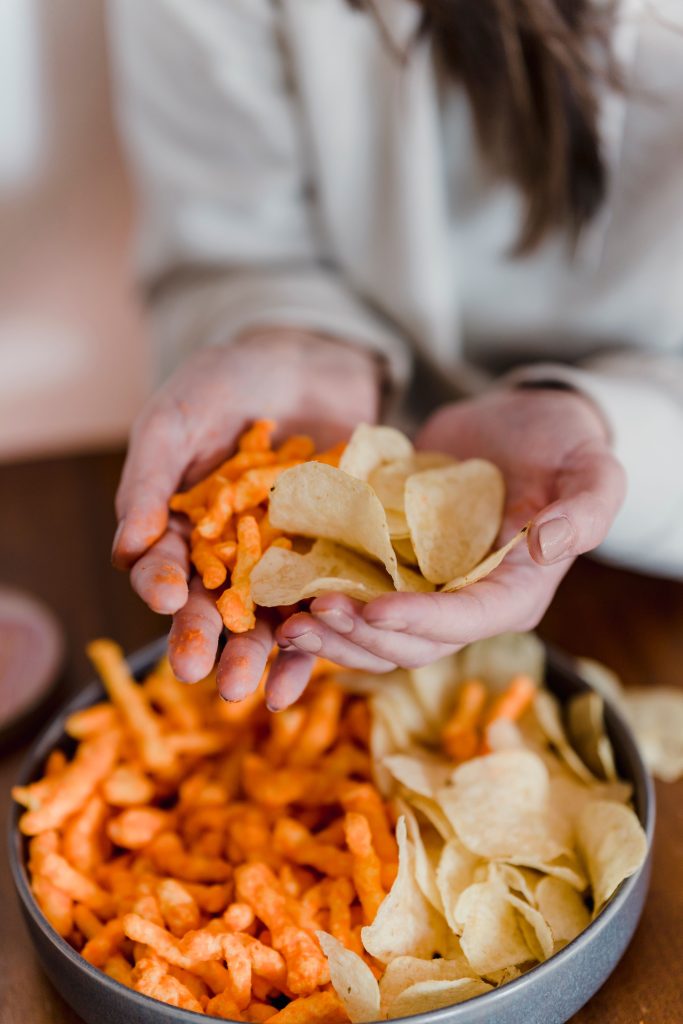
Parents may be angry about the idea of familiar school foods disappearing, but the deeper shock is what those foods reveal. Bright drinks, sweet snacks, packaged breakfast items, and processed lunch staples became routine because they were easy to buy, store, and serve. As a result, convenience started to feel like tradition.
That is why this debate feels personal. A school lunch item can carry childhood memories, family routines, and a strange sense of comfort. But nostalgia does not make an ingredient harmless. California’s move is forcing families to separate what feels familiar from what actually belongs in a meal served to children five days a week.
The lunch tray became a budget solution before it became a health concern.
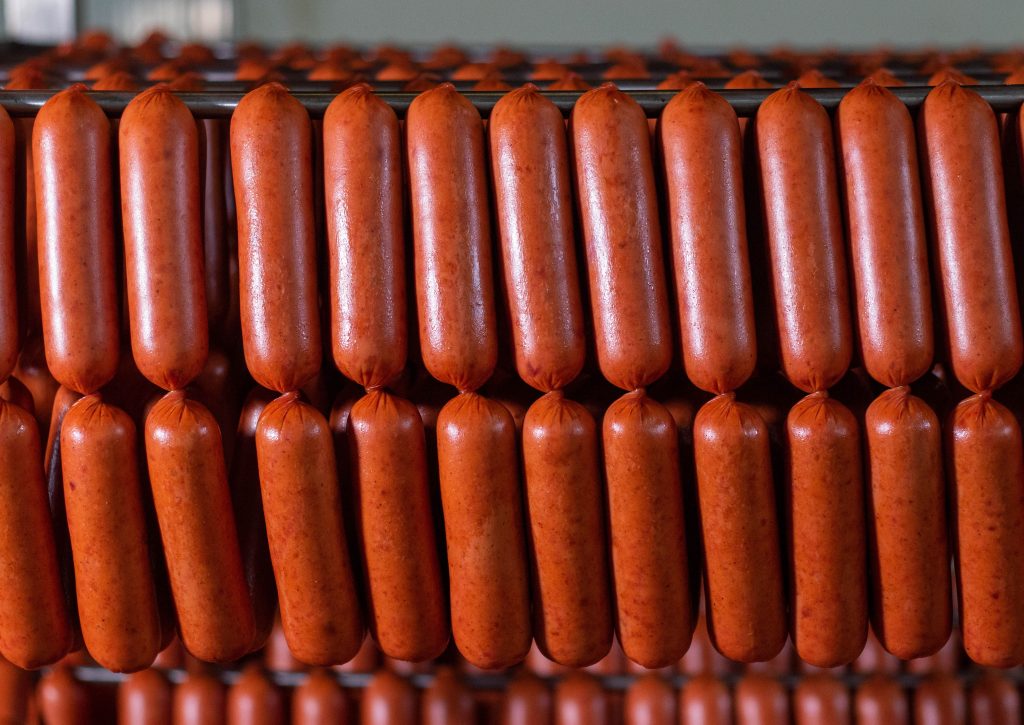
School cafeterias do not operate in a fantasy world. They deal with tight budgets, labor shortages, picky students, federal regulations, supplier contracts, and the daily pressure to feed hundreds or thousands of children quickly. Because ultra-processed foods fit that system, they are predictable. They last longer, travel better, and often require less preparation.
That convenience came with a price. When schools rely too heavily on products designed for shelf life, speed, and flavor punch, nutrition can quietly slide into second place. In that sense, California’s crackdown exposes a hard truth: America may have built part of its school meal system around what was easiest for institutions, not what was best for children.
Parents are now asking why these ingredients were allowed for so long.
The most powerful question in this story is simple: if certain additives are worrying enough to be removed from school food, why were they there in the first place? That question cuts through political talking points because it comes from a basic parental instinct. Children should not be the last group protected from questionable food ingredients.
This is where the debate becomes emotional. Parents do not like feeling as if they discovered the problem late. They trusted schools, vendors, regulators, and food companies to serve meals that met a reasonable standard. Now,