


You never expect your loyal companion to lash out, yet aggression can appear without warning. One moment, your dog is wagging its tail, the next, a growl, a snap, or even a bite comes out of nowhere.
Sudden aggression is often the first visible sign of a hidden health problem, not a behavioral flaw. Ignoring it could put family members, other pets, and even your dog in danger.
Dogs communicate discomfort differently from humans. Pain, infections, hormonal imbalances, neurological issues, and sensory decline can push a gentle dog over the edge, turning once-safe interactions into dangerous encounters. Understanding these hidden conditions is vital because early detection can save lives and prevent irreversible accidents.
Chronic Pain Turns Touch Into Threat
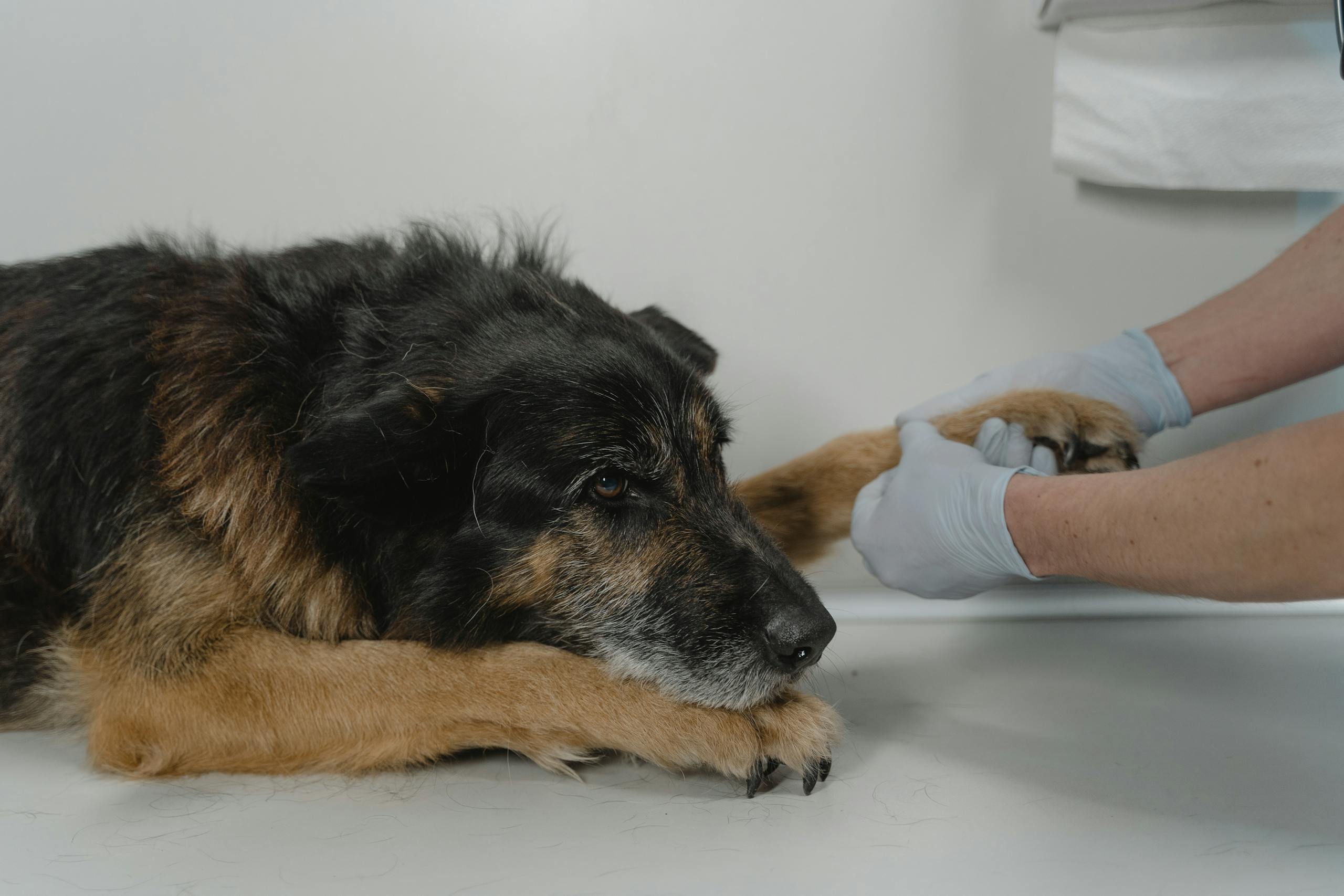
Dogs hide pain better than most animals, masking conditions like arthritis, hip dysplasia, or old injuries. When touched, lifted, or asked to move, painful areas can trigger immediate defensive reactions. Even a slight brush on a sore leg or back can provoke growling or snapping.
Subtle clues, limping, hesitating on stairs, slower play, excessive licking, or restlessness, often precede aggression.
A dog that suddenly resists handling may be communicating fear and discomfort rather than bad behavior. Veterinary pain assessments are crucial before assuming the dog is acting out.