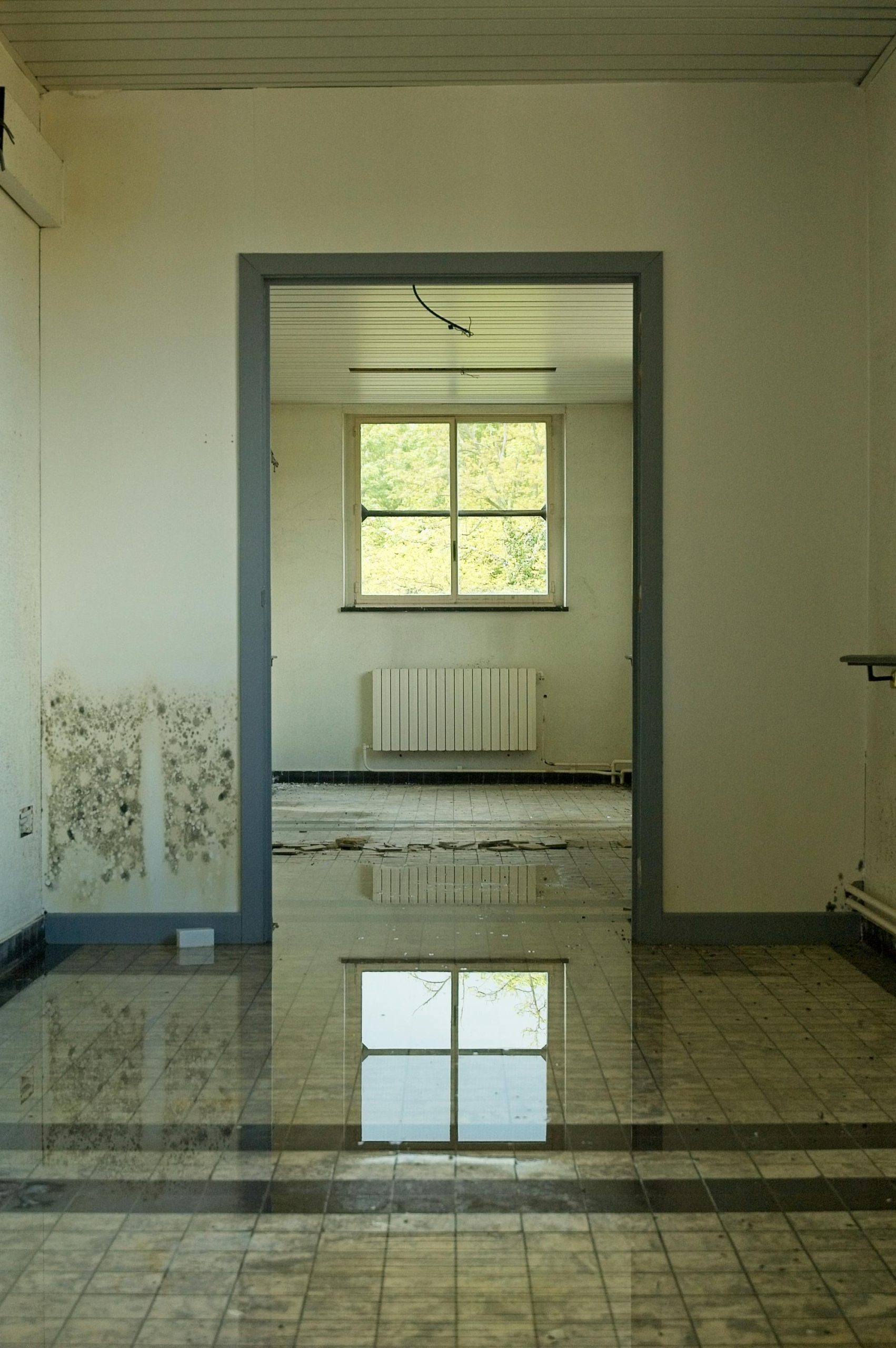
Inheriting a home can feel like a golden opportunity: a place full of memories, potential equity, and the thrill of remodeling. But many heirs discover a harsh truth once renovations start: walls that seem solid hide termite infestations, old plumbing bursts under pressure, and decades-old wiring can make your dream project a dangerous financial gamble. The excitement of ownership quickly collides with hidden damage, surprise costs, and emotional stress.
For homeowners eager to modernize, these risks are not just inconvenient; they are reshaping how Americans approach inherited estates. Renovation dreams are now carefully weighed against real-world dangers, making knowledge, preparation, and professional guidance the most valuable tools in any inherited home project.
Termite and Pest Infestations Lurk Beneath the Surface
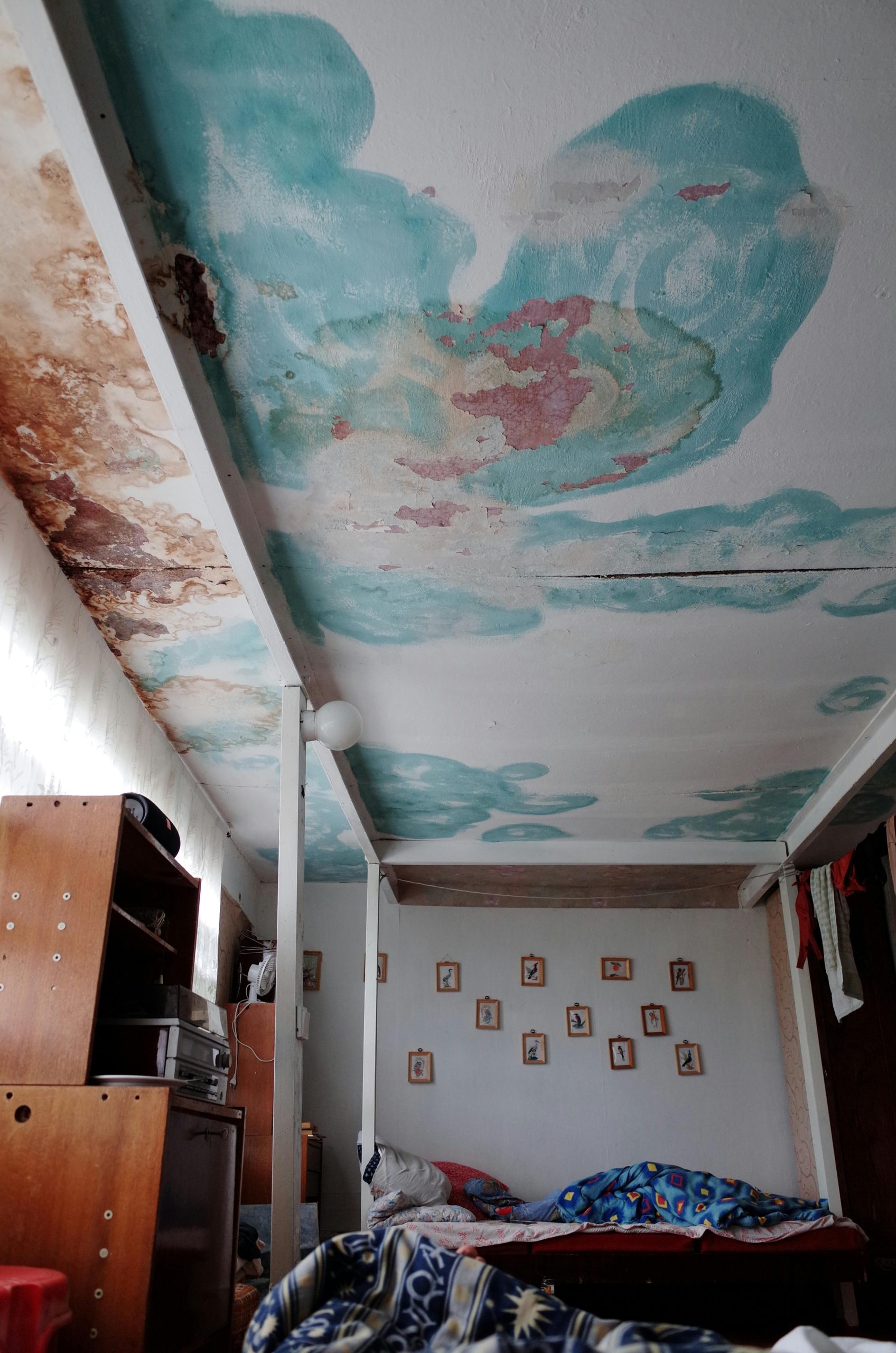
One of the most common hidden threats in older homes is termites and wood-boring pests. A house may look pristine, but infestations can silently compromise beams, subfloors, and support structures, only revealing themselves once walls are opened or floors are lifted.
The financial impact is huge. Repairing structural damage after termite exposure often costs tens of thousands of dollars, turning a seemingly modest renovation into a major budget crisis. Homeowners now prioritize pre-renovation pest inspections to avoid a total surprise.
Outdated Electrical Systems Can Be a Safety Hazard
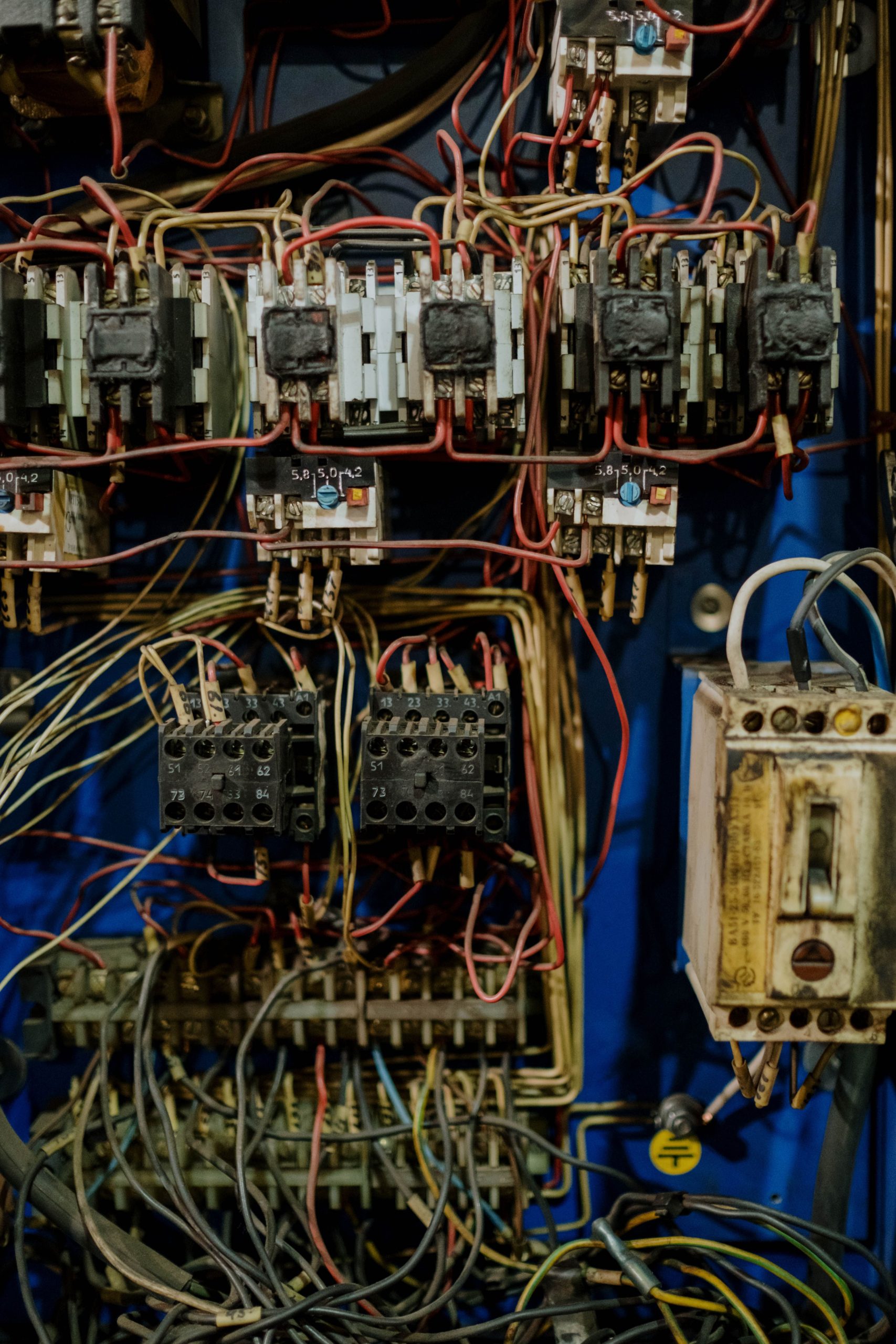
Inherited homes often have electrical systems that fail to meet modern codes. Outlets may be insufficient, panels may be undersized, and old wiring may pose hidden fire risks. Many homeowners only discover these dangers after beginning upgrades or adding new appliances, halting progress entirely.
Ignoring these issues can void insurance coverage or create hazards that endanger the family. Forward-thinking heirs now hire licensed electricians for thorough pre-renovation audits, ensuring safety before they spend another dime.
Water Damage and Mold Are Silent Destroyers