


The first time most people try a Cotton Candy grape, their immediate reaction is suspicion.
It cannot actually taste like that. Something must have been added. There has to be a catch. They eat another one. Then another.
They stand in their kitchen eating grapes out of the bag with the focused intensity of someone who has just discovered something that should not exist, and by the end of the week, they have paid premium grocery prices for specialty fruit three times in a row without any regret whatsoever.
Cotton Candy grapes are genuinely one of the more remarkable things to happen to the produce section in recent memory. But not every bag delivers the experience that earned it its reputation.
Knowing what you are buying, where they come from, when to buy them, how to pick the best bag, and why some batches taste better than others makes the difference between the life-changing bag and the disappointing one. Here is what you need to know.
They Are Not Genetically Modified… They Are a Breeding Achievement
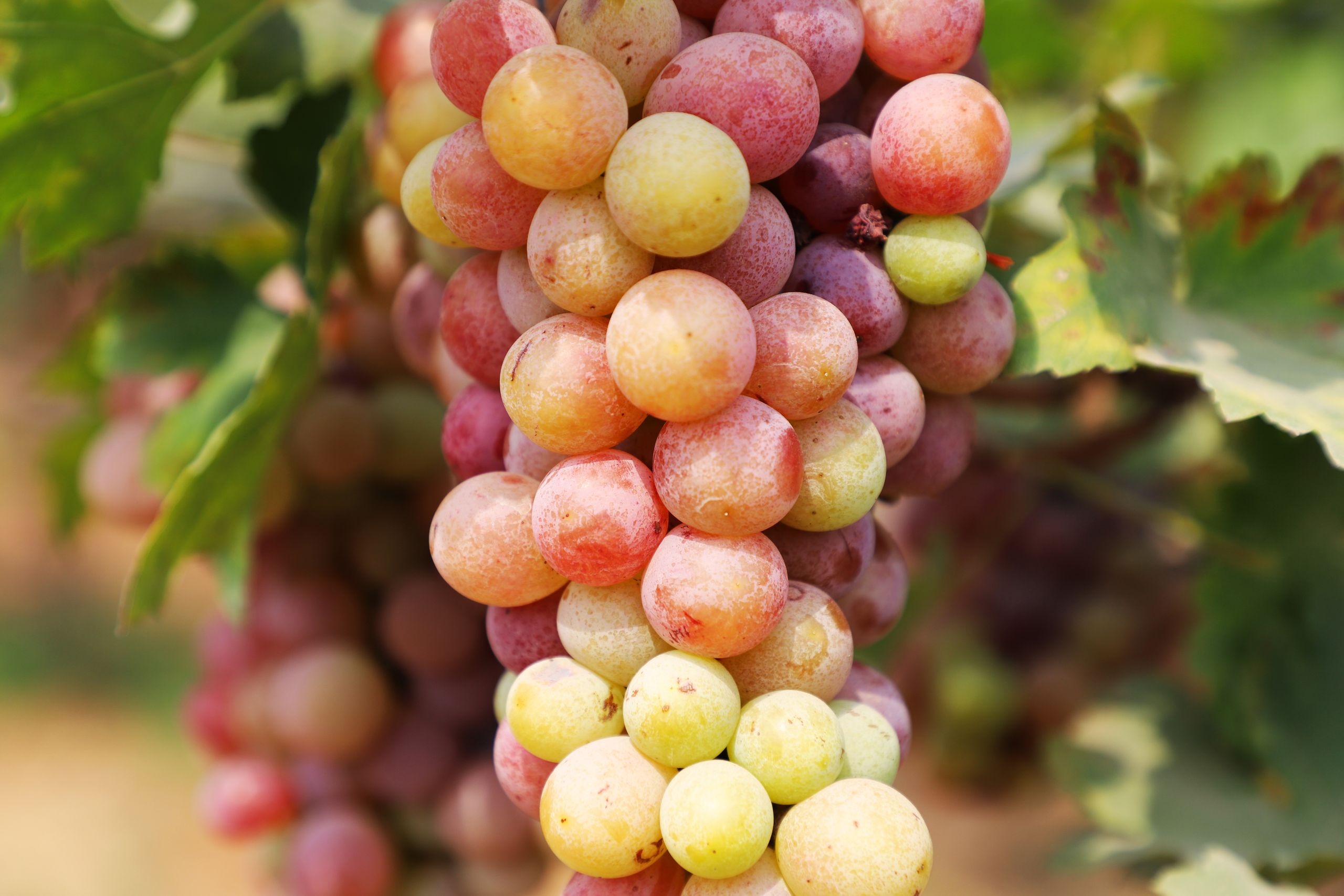
Let us get this out of the way first, because it is the question everyone asks when they encounter these grapes for the first time, and the cotton candy flavor seems too deliberate to be natural.
Cotton Candy grapes were developed through conventional plant breeding, the same category of deliberate hybridization that humans have practiced with agricultural plants for centuries.
Horticulturists at International Fruit Genetics spent years cross-pollinating grape varieties with desirable characteristics, evaluating thousands of seedlings, selecting the vines with exceptional flavor profiles, and refining production methods across multiple growing seasons.
No genetic modification. No artificial flavoring added