

The world map feels permanent, but rising oceans are quietly rewriting it. Some countries cling to coastlines barely above sea level, where even modest increases in water height can flood homes, ruin roads, poison freshwater, and make daily life a constant battle for survival.
For these nations, disappearance isn’t just about land submerging, it’s about entire communities losing homes, heritage, and identity.
Over the next 50 years, parts of these countries could become uninhabitable or economically impossible to protect, threatening generations with displacement, cultural loss, and the erasure of histories that have endured for centuries.
Tuvalu
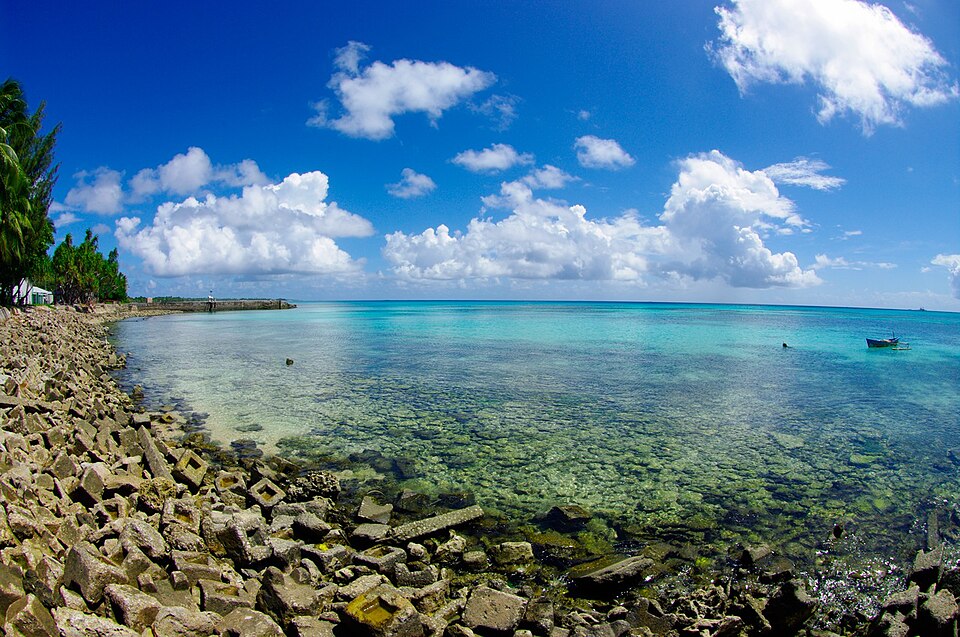
Tuvalu has become one of the strongest symbols of the climate crisis because its future is brutally tied to sea level rise. This tiny Pacific nation sits only a few feet above the ocean in many places, which means king tides and storm surges can flood homes, roads, and farmland with terrifying speed.
Saltwater is already a major threat because it can contaminate freshwater supplies and make soil less suitable for food production.
The country is trying to protect its identity even as the physical land becomes more fragile. Tuvalu has explored digital nationhood, climate migration agreements, and coastal protection projects, but none of those choices are easy. A country is more than territory, and Tuvalu’s biggest fight may be proving that a nation can still exist even if its land becomes unsafe.
Maldives
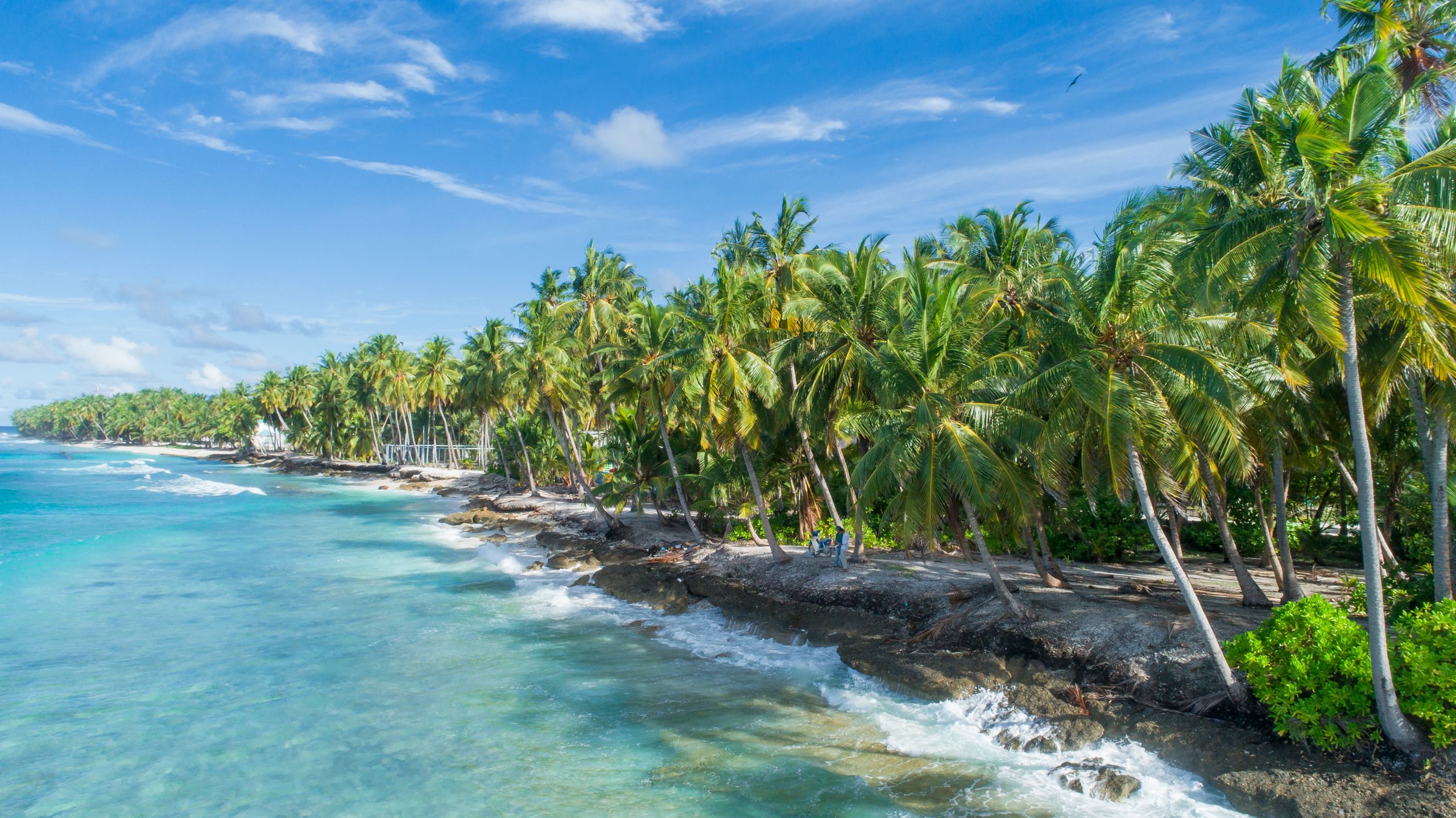
The Maldives looks like paradise in travel ads, but its beauty hides one of the world’s most dangerous geological problems.
Much of the country is extremely low-lying, leaving islands exposed to erosion, flooding, and saltwater intrusion. Resorts can sometimes afford protection walls and raised infrastructure, but ordinary communities face a much harder battle.
The threat is especially serious because the Maldives depends heavily on beaches, reefs, fishing, and tourism. Rising seas do not need to swallow every island to cause major damage.
They only need to flood airports, contaminate wells, damage roads, and scare away investment. That is why the Maldives may survive politically while still losing parts of the land that make daily life possible.
Kiribati
Kiribati is spread across a huge stretch of the Pacific, but much of its habitable land is narrow, flat, and dangerously exposed. Rising seas are already increasing the risk of flooding, especially on crowded islands where people have limited space to move inland.
When the ocean pushes farther into homes and freshwater lenses, survival becomes less about future theory and more about daily pressure.
Kiribati has tried to plan ahead by discussing migration, land protection, and long-term adaptation. Still, moving an entire culture is not like moving furniture. Songs, graves, churches, schools, family compounds, and fishing routes all carry meaning.