


Some childhood wounds do not disappear just because the body grows up. For many adults who were overweight as kids, the hardest part was never only the weight, but the teasing, shame, rules, comments, and quiet embarrassment that shaped how they learned to see themselves. Those early experiences can follow people into adulthood through daily habits that affect their food choices, confidence, relationships, clothing, movement, and emotional peace.
The danger is that these habits often look normal from the outside, even when they are rooted in old hurt. They can show up at dinner tables, in dressing rooms, at work events, during workouts, and even in private moments in front of the mirror.
Here are the 8 alarming lifestyle patterns that many adults still struggle with after growing up feeling judged for their bodies.
Apologising for Eating

Adults who were overweight as children often grow up feeling like their appetite needs an explanation. They may joke about what is on their plate, shrink their portions in public, or make small comments to prove they are aware of what they are eating. What should be a normal meal can become a performance filled with guilt, nervous laughter, and quiet self-judgment.
Hiding Hunger Until It Becomes Too Much
Some adults learned early that being hungry invited criticism. As children, they may have heard comments about snacks, second servings, or eating too much, so they trained themselves to ignore hunger signals. In adulthood, that can turn into long stretches of restriction followed by overwhelming cravings later.
Feeling Unsafe in Fitted Clothes
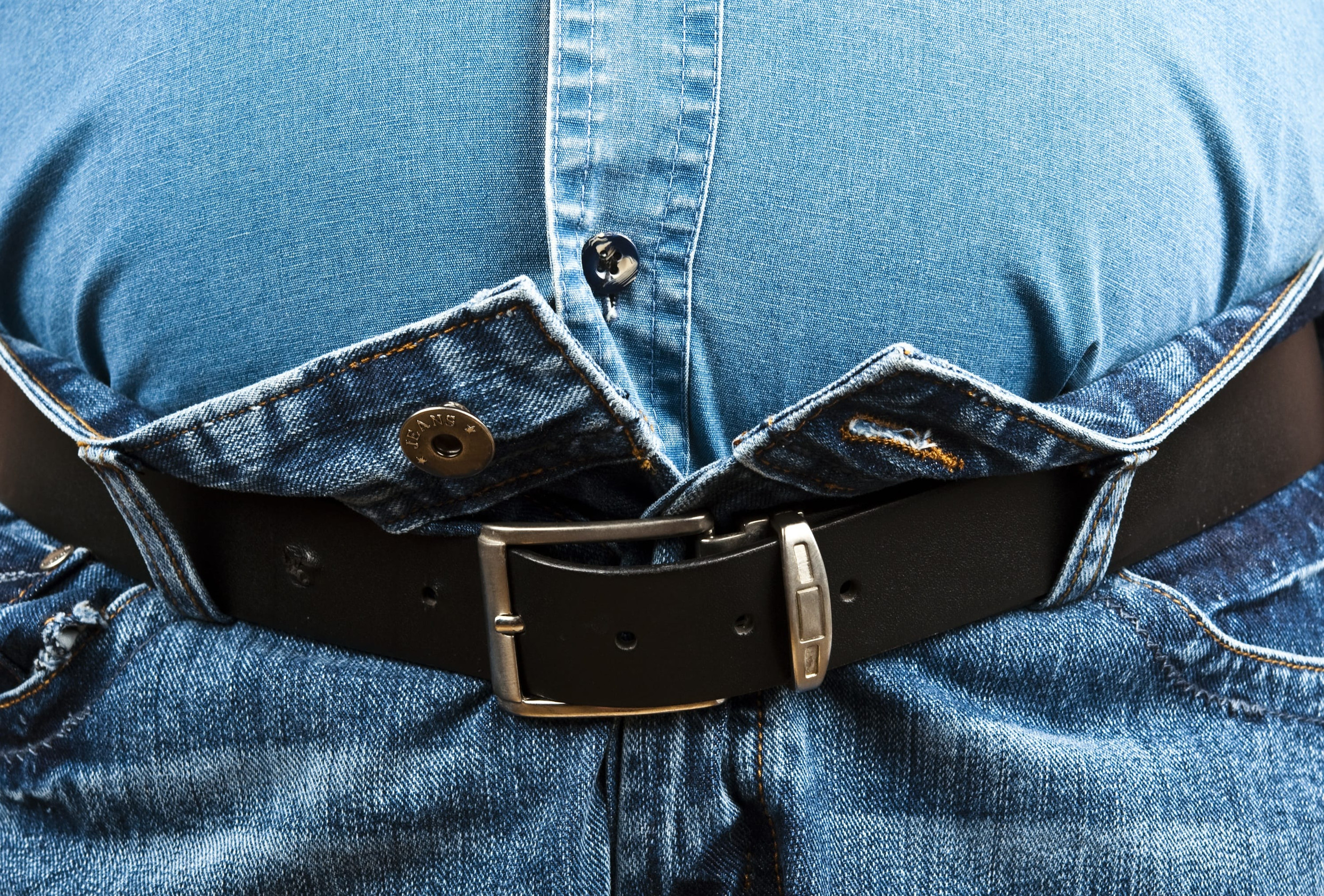
Clothing can carry emotional memories. Adults who were overweight as kids may still avoid fitted outfits because they remember being teased, stared at, or compared. Even when their bodies have changed, the fear of being noticed can stay deeply attached to fabric, mirrors, and dressing rooms.
Turning Exercise into Punishment
Many adults who were overweight as children were introduced to movement through embarrassment. Gym class, forced sports, public weigh-ins, or family pressure may have made exercise feel like a sentence rather than a source of strength. As adults, they may struggle to enjoy movement because it still