


Fame can create the illusion of invincibility, but addiction never respects awards, sold-out arenas, or public admiration.
Some of the most talented performers, whose work shaped music, film, and culture, died not from a lack of love or support, but because the private battles with substances became too dangerous to survive.
These deaths are stark reminders that talent and public acclaim cannot shield someone from isolation, pressure, or the deadly grip of drugs.
These 7 stories are not about gossip or shock value. They are about people who shaped music, film, culture, and memory before fatal overdoses or toxic drug combinations ended their lives too soon.
Their work remains powerful, but their deaths also carry a hard lesson about pain, pressure, access, isolation, and the deadly risks of drugs that can turn one night into a national tragedy.
Michael Jackson
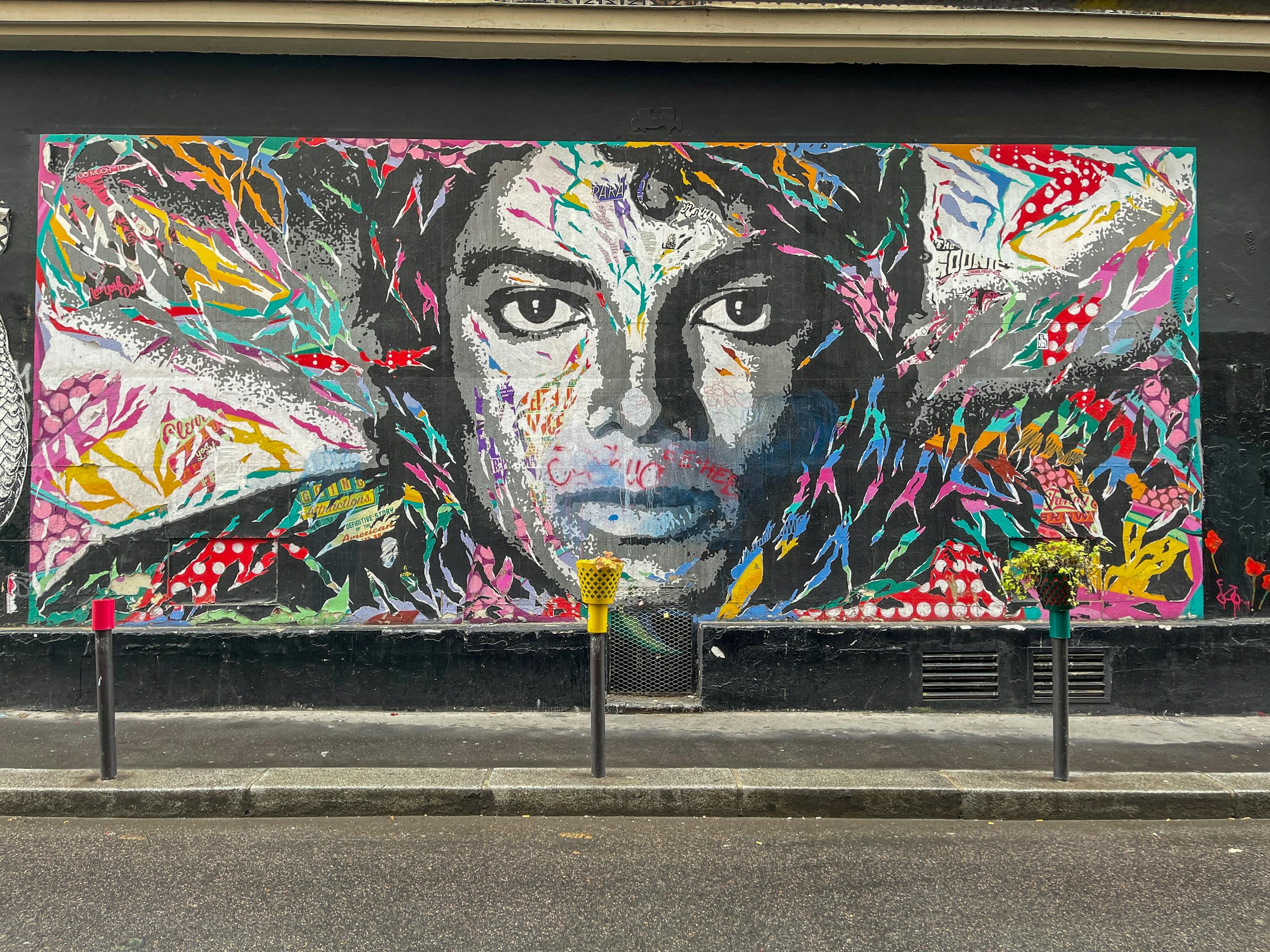
Michael Jackson’s death in 2009 became one of the biggest celebrity news events of the century. The Los Angeles County coroner ruled that he died from acute propofol intoxication, with benzodiazepine effects also contributing, and his personal physician was later convicted of involuntary manslaughter.
It was not a typical street-drug overdose story, but it was still a fatal drug-intoxication case tied to dangerous medical misuse.
Jackson’s death exposed the darker side of extreme celebrity life, where privacy, pressure, insomnia, and dependence on powerful medications can create a dangerous circle.
He had spent decades as one of the most famous people on earth, and that level of visibility came with a cost most fans could never fully understand. His music remains global, but his final days revealed how fragile even a superstar can become when medical care turns reckless.
Philip Seymour Hoffman
Philip Seymour Hoffman was the kind of actor who could make silence feel heavy. He brought depth, discomfort, and strange tenderness to roles that other performers might have played too cleanly. In 2014, the New York City medical examiner said he died from acute mixed drug intoxication involving heroin, cocaine, benzodiazepines, and amphetamine.
Hoffman’s death hurt because he represented serious craft rather than celebrity spectacle. He had spoken about addiction earlier in life and had achieved long-term sobriety before relapse entered the story.
That made his passing a painful reminder that recovery is not always a straight road and that relapse can become deadly with terrifying speed. His filmography still feels alive, but his absence remains one of modern cinema’s great losses.
Juice WRLD
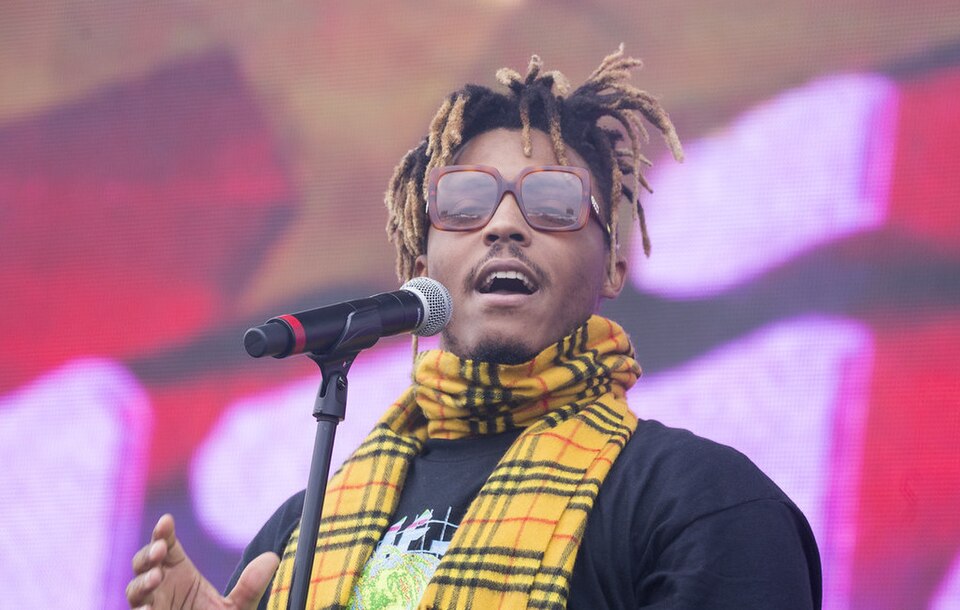
Juice WRLD’s death in 2019 felt like a warning siren for a generation raised on streaming, anxiety, heartbreak, and pills appearing in lyrics as casually as love songs. He was only 21 when the Cook County Medical Examiner said he died from oxycodone and codeine toxicity, with the manner of death ruled accidental.
His music had already connected deeply with fans who saw their own sadness and confusion reflected in his melodies.
His death was especially devastating because he often sang about the very struggles that later surrounded his passing. For many young listeners, Juice WRLD was not just a rapper; he was a voice for panic, loneliness, numbness, and emotional overload.
His story remains a brutal reminder that being open about pain can help people feel seen, but it does not automatically keep the person speaking safe.
Prince
Prince seemed almost mythical, the kind of artist who did not just perform music but bent it to his will. His death in 2016 stunned fans because he had built a public image around discipline, privacy, control, and almost supernatural creative energy.
Behind the purple stage lights, however, authorities later determined that he died from an accidental fentanyl overdose at his Paisley Park estate in Minnesota.
What made Prince’s death especially alarming was the broader warning it carried about counterfeit pills and hidden fentanyl. Many people imagine overdoses as obvious, visible, or predictable, but fentanyl changed that conversation in brutal ways.
A person can believe they are taking one thing and unknowingly ingest something far stronger. Prince’s legacy still feels enormous, yet his death remains one of the clearest reminders that fame offers no shield against a poisoned drug supply.
Heath Ledger
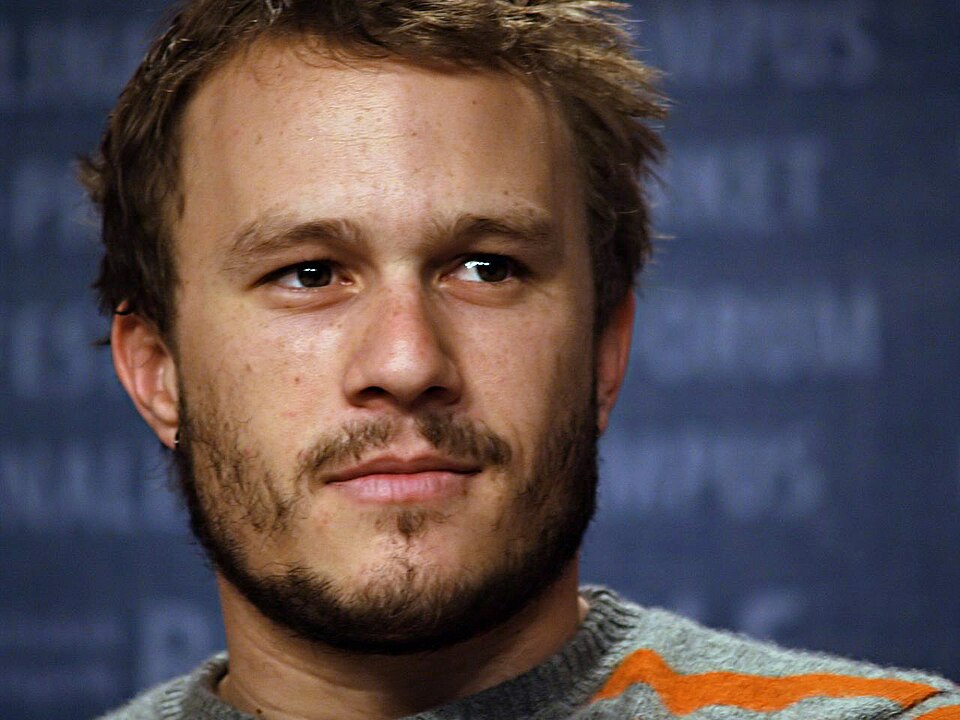
Heath Ledger’s death felt like a sudden crack through modern Hollywood. He was only 28, with a career that had already moved from teen-heartthrob roles