


History has a way of making the past look reassuringly straightforward, great civilizations, brilliant minds, steady progress toward the enlightened present we currently occupy. And then you read about the tobacco smoke enemas.
The uncomfortable truth about human history is that the same societies that produced extraordinary art, philosophy, and architecture also produced medical treatments, social practices, and scientific theories that are, by any modern standard, somewhere between baffling and genuinely horrifying.
What makes these examples particularly unsettling is not that they were fringe ideas held by eccentric outsiders. They were mainstream. Endorsed by governments.
Prescribed by doctors. Accepted by ordinary people trying their best to navigate the world with the information available to them. That last part is worth holding onto as you read.
Tobacco Smoke Enemas Were Standard Emergency Medicine
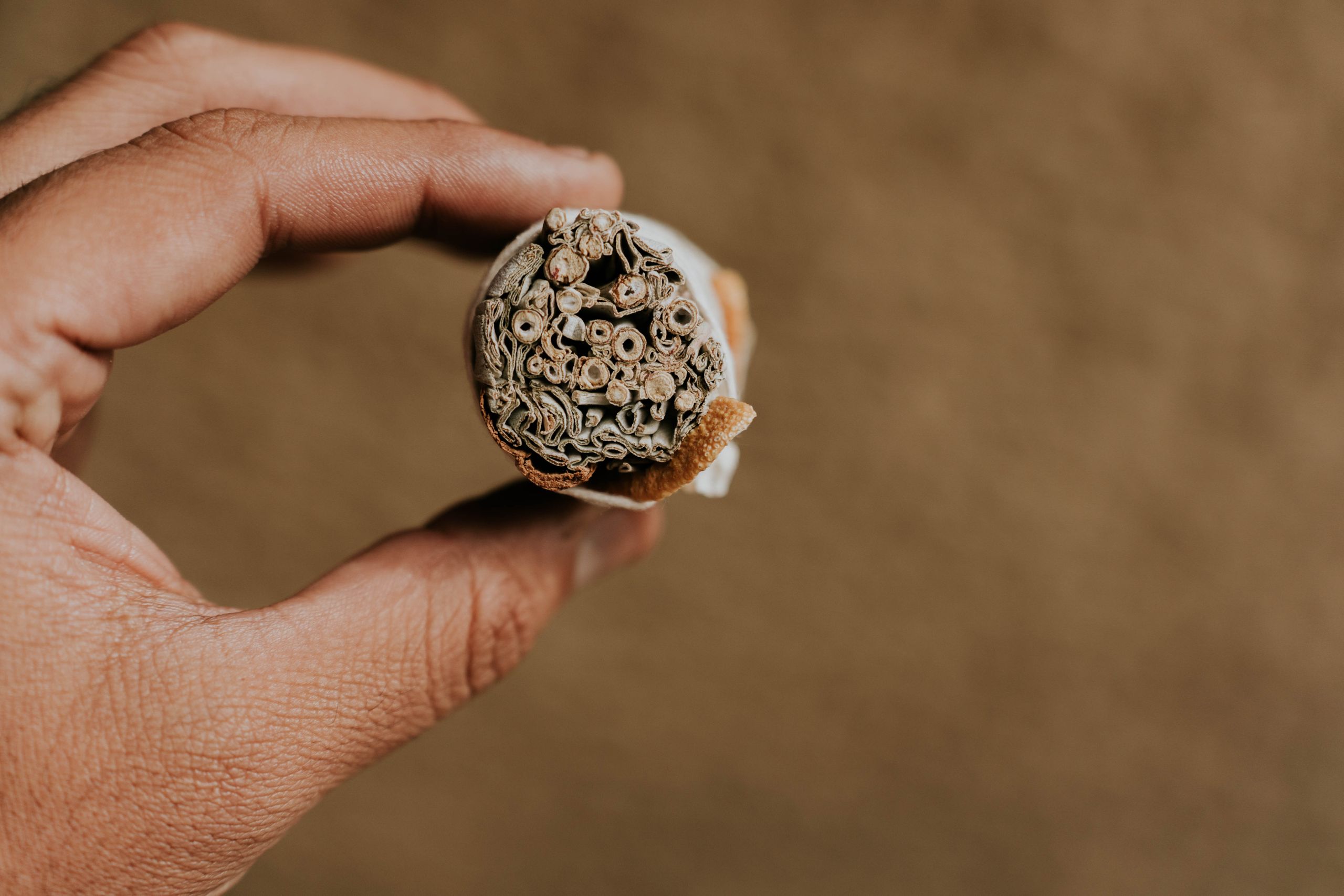
In the eighteenth and early nineteenth centuries, if you collapsed near a river in London and bystanders wanted to save your life, there was a reasonable chance they would pump tobacco smoke into your rectum.
This was not a joke or a punishment. It was legitimate, widely promoted emergency medicine.
The reasoning was, by the standards of the era, almost coherent. Tobacco was understood as a powerful stimulant.
Physicians believed that introducing its properties directly into the body could revive failing vital functions, restart breathing, restore circulation, shock the system back to life.
Resuscitation kits containing bellows and the necessary tubing were stationed along the Thames. The Royal Humane Society, an organization dedicated to rescuing drowning victims, actively promoted the technique.
It only fell out of favor after research into nicotine’s cardiovascular effects made clear that the treatment was, at best, useless and at worst accelerating the very deaths it was meant to prevent.
The phrase “blowing