


Few events in American history are as shocking or as devastating as the assassination of a sitting president. These violent acts didn’t just end lives, they shattered the nation’s sense of security, upended political continuity, and left scars that echo through generations.
The sudden loss of leadership threw the country into turmoil, forcing hurried decisions, testing constitutional succession, and challenging the very stability of democracy itself.
Each assassination occurred in a different era, yet all four reveal a grim truth: a single act of violence can abruptly redirect the course of a nation, leaving Americans to grapple with fear, uncertainty, and the fragility of power. These are the four presidents whose deaths in office altered history in ways no one could have anticipated.
Abraham Lincoln

Abraham Lincoln became the first U.S. president to be assassinated while in office. He was shot on April 14, 1865, at Ford’s Theatre in Washington, D.C., just days after the Civil War was effectively coming to an end.
The nation had barely begun to imagine peace after years of bloodshed when John Wilkes Booth, a Confederate sympathizer and actor, carried out the attack. Lincoln died the next morning, leaving the country stunned at the very moment it needed careful leadership for Reconstruction.
His assassination did more than end a presidency. It changed the emotional direction of postwar America. Lincoln had spoken often about healing the Union, but his death placed Reconstruction into the hands of Andrew Johnson, whose presidency became bitter, divisive, and deeply controversial.
For many Americans, Lincoln’s death became a symbol of promise violently cut short. He entered memory not only as the president who preserved the Union, but as a leader killed before he could guide the country through its most fragile recovery.
James A. Garfield
James A. Garfield’s presidency lasted only a few months before violence shattered it. He was shot on July 2, 1881, at the Baltimore and Potomac Railroad Station in Washington, D.C., by Charles J. Guiteau, a disappointed office seeker who believed he deserved a government appointment. Garfield did not die immediately. He suffered for weeks as doctors struggled to treat him, and his long decline became a national ordeal watched with grief and frustration.
Garfield died on September 19, 1881, and his assassination exposed a major weakness in American politics at the time. The federal government was still shaped by the spoils system, in which political loyalty often influenced public appointments.
His death helped build pressure for civil service reform, leading to changes meant to make federal hiring more professional and less driven by political favors. Garfield’s time in office was short, but the shock of his death pushed the country toward a cleaner, more accountable system of government.
William McKinley

William McKinley was the third U.S. president assassinated while serving in office. He was shot on September 6, 1901, while attending the Pan-American Exposition in Buffalo, New York.
The attacker, Leon Czolgosz, approached McKinley during a public reception and fired at close range. McKinley initially appeared to have a chance of recovery, but his condition worsened, and he died on September 14, 1901.
His death came at a time when the United States was growing more powerful on the world stage. McKinley had led the country through the Spanish-American War, and America was beginning to act with new confidence overseas.
His assassination brought Vice President Theodore Roosevelt into the presidency, opening the door to a more forceful, reform-minded era in national politics. McKinley’s death also changed how the country viewed presidential security, as the danger of public exposure became painfully clear.
John F. Kennedy
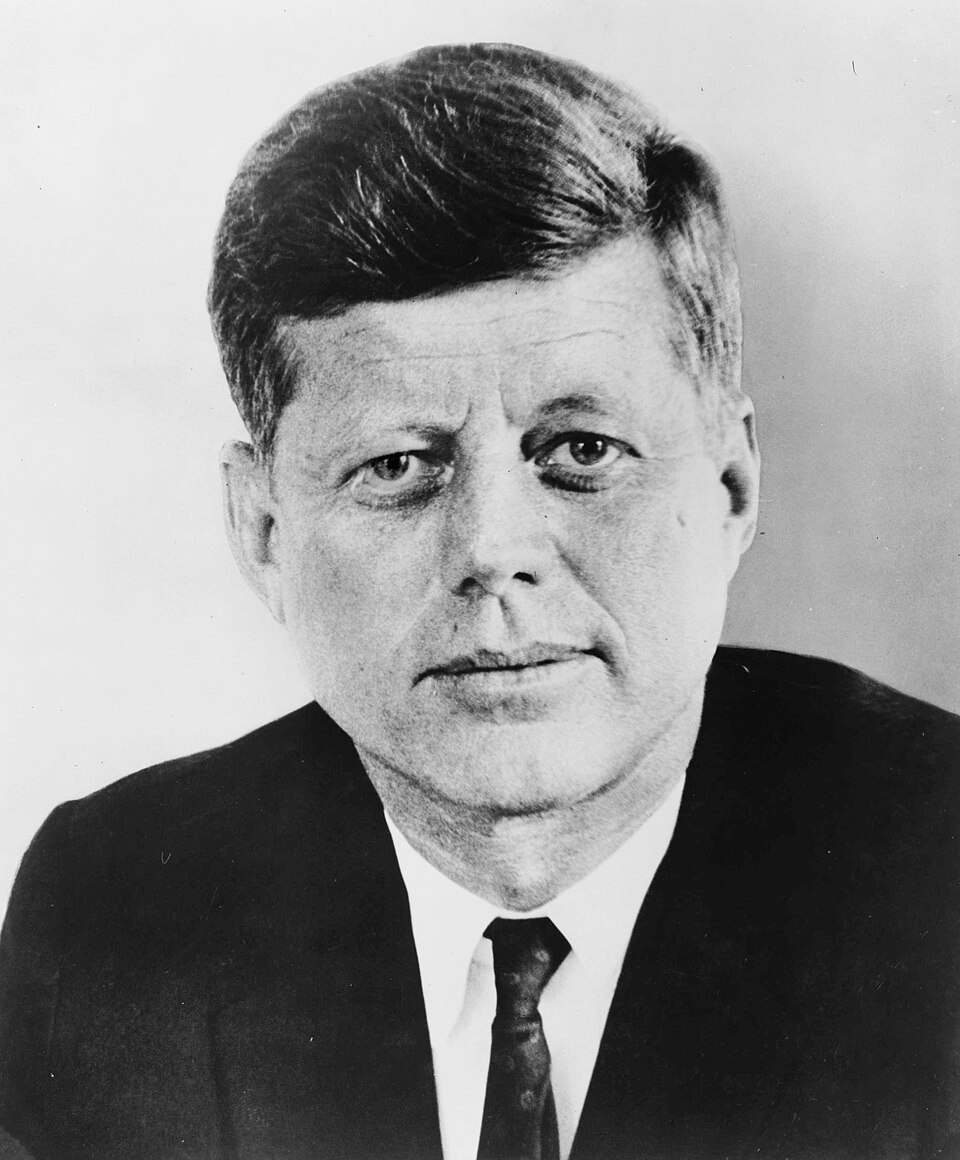
John F. Kennedy’s assassination remains one of the most haunting moments in modern American history. He was shot on November 22, 1963, while riding in a motorcade through Dealey Plaza in Dallas, Texas.
The attack unfolded in public, in broad daylight, before crowds who had gathered to see the young president and first lady. Kennedy was taken to Parkland Memorial Hospital, where he was pronounced dead that afternoon.
Kennedy’s death shocked a television-age America in a way earlier assassinations could not. Millions followed the news in real time, and the killing became a shared national trauma. Lee Harvey Oswald was arrested but was himself killed two days later by Jack Ruby, deepening public confusion and suspicion.
Kennedy’s assassination did not just end a presidency. It marked a turning point in American culture, feeding decades of debate, grief, and questions about trust in public institutions.
These four assassinations remind us that the presidency is both powerful and vulnerable. Lincoln, Garfield, McKinley, and Kennedy led in very different times, yet each death forced America to confront fear, uncertainty, and sudden political change.
Their stories remain important because they show how quickly history can turn and how deeply a single violent moment can echo through generations.


