


Life in ancient times was brutal, unforgiving, and far from the comfort of modern work. Some jobs demanded physical endurance, mental toughness, and a tolerance for danger that most people today would never survive.
While history often romanticizes the past, the reality of ancient occupations was relentless, exhausting, and sometimes deadly. These nine jobs show just how extreme work could be centuries ago. From the physically punishing to the morally demanding, surviving these roles required skills and resilience that few modern workers possess.
Gladiator Fighting
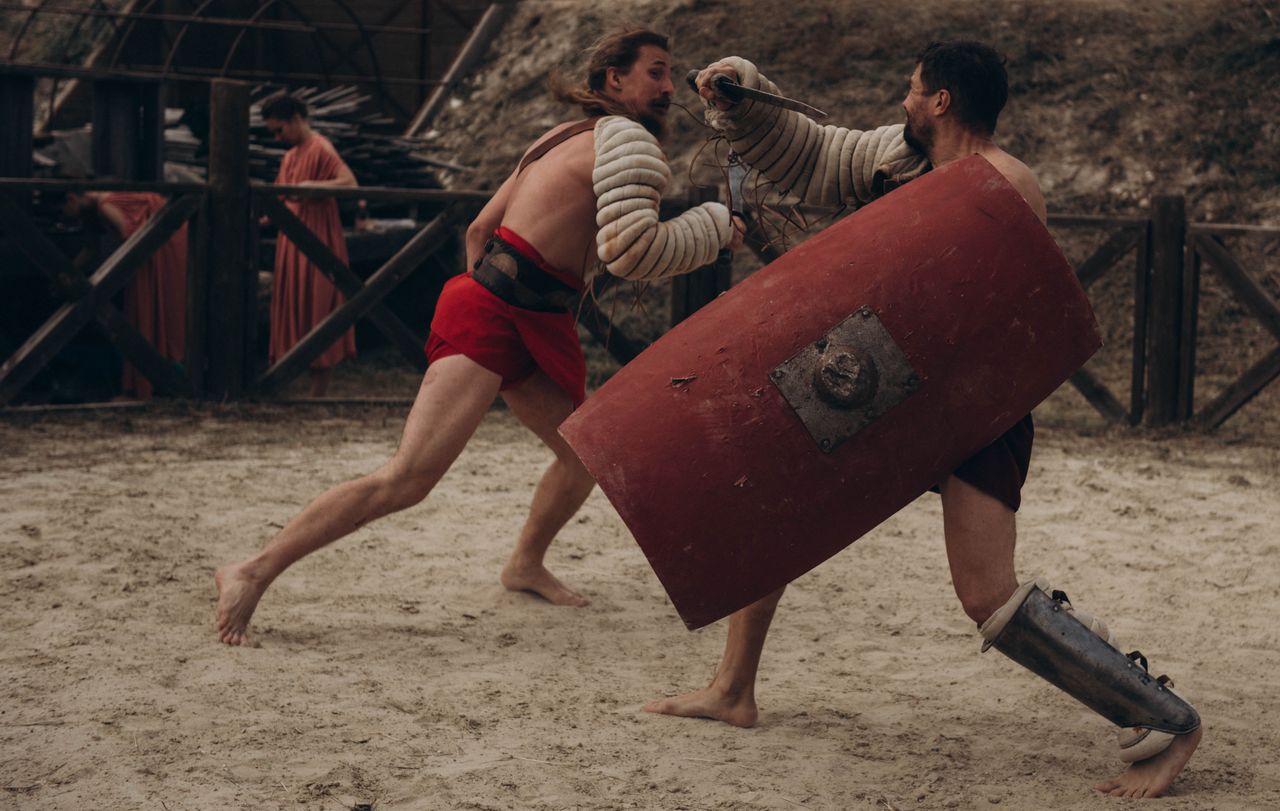
Gladiators entertained crowds by battling each other or wild animals in arenas. Each fight was a test of strength, skill, and survival instinct. A single misstep could mean serious injury or death, making this work both physically dangerous and psychologically intense.
Training was rigorous, and injuries were constant. The lifestyle demanded strict diets, relentless exercise, and a readiness to risk life daily. Modern workers would struggle to endure the brutality and constant life-or-death pressure of such a career.
Stone Cutter In Quarry Camps
Cutting stone for construction, monuments, or roads was laborious and dangerous. Workers spent long hours chiseling heavy blocks while exposed to sharp tools, falling debris, and extreme weather. Physical exhaustion and injury were constant threats.
Modern safety standards would make ancient quarries nearly impossible to work in. Muscular fatigue, dust inhalation, and the risk of crushed limbs created a near-constant hazard. Endurance and physical resilience were the only things keeping workers alive.
Ship Rowers For Empires
Ancient warships often relied on rowers to propel vessels during naval battles. These individuals endured back-breaking labor, long hours in cramped positions, and harsh punishments from commanders. Rowing required synchronized effort under extreme physical duress.
Exposure to the sun, cold water, and disease made survival precarious. Modern workers would be unable to withstand such relentless exertion combined with poor living conditions. Only extraordinary strength and discipline kept these crews functional.
Executioners
Executioners carried out death sentences in ancient societies. The job demanded physical skill, psychological detachment, and acceptance of societal judgment. Executioners were often ostracized yet needed to perform precise work under immense pressure.
Mistakes could provoke public outrage or personal danger. Modern ethical standards would render this occupation intolerable. Ancient executioners survived because of hardened nerves and a life conditioned to handle human suffering.
Tunnel Miners In Salt Mines

Mining salt, gold, or other minerals in ancient tunnels was dangerous, dark, and exhausting. Miners faced cave-ins, toxic air, flooding, and unstable rock formations. The work required relentless labor and constant alertness.
Without modern equipment or ventilation, survival depended on sheer stamina and luck. Modern workers would be unprepared for the combination of physical demand and life-threatening risk. Ancient miners were living on the edge every day.
Human Sacrifice Priests
Some ancient cultures required priests to perform rituals involving human sacrifices. These roles demanded adherence to strict ceremonial rules and moral acceptance of practices considered horrifying today. The psychological toll of participating in or facilitating death regularly would be overwhelming.
Priests were responsible for selecting victims, conducting ceremonies, and maintaining religious approval. A modern person would find this morally and emotionally impossible to manage. Ancient society’s religious demands placed extreme stress on these individuals.
Animal Herders In Hostile Terrains
Herders managed livestock in deserts, mountains, or arid plains. They faced predators, weather extremes, and scarce resources. Protecting animals while ensuring their survival demanded constant vigilance.
The job involved carrying heavy loads, making long treks, and thinking strategically under pressure. Modern people are unlikely to endure this level of physical and mental challenge daily. Ancient herders survived through resilience, knowledge of terrain, and adaptation to harsh conditions.
Beast Tamers For Spectacles
Beast tamers in ancient arenas controlled lions, bears, or elephants for entertainment. They faced unpredictable, powerful animals with no modern safety gear. The risk of injury or death was extreme and constant.
Training required deep knowledge of animal behavior, bravery, and composure in the face of fear. Modern workers would find the combination of danger and public scrutiny unbearable. Only exceptional skill and nerve allowed ancient tamers to survive.
Builders Of Megastructures

Constructing pyramids, ziggurats, or aqueducts demanded long hours under harsh conditions. Workers lifted massive stones, worked in the sun, and endured primitive tools. Laborers often suffered fatigue, dehydration, or collapse from overwork.
Modern labor laws and safety regulations would never permit such conditions. Ancient builders relied on sheer physical strength, endurance, and discipline to continue. Completing a day’s work required as much survival instinct as skill.
Conclusion
Ancient jobs reveal a level of physical, mental, and emotional endurance few modern people could manage. Gladiators, executioners, miners, builders, and others faced daily threats that extended beyond fatigue into life-or-death scenarios. The bravery and resilience required are difficult to imagine today, as modern work rarely demands such extremes.
While history often glamorizes these roles, the reality was harsh and relentless. Surviving ancient work meant mastering strength, stamina, skill, and psychological toughness. Understanding these occupations highlights the drastic differences between modern convenience and historical survival, reminding us that life in the past was a constant test of human endurance.
Read the Original Crafting Your Home.


