


Marriage can sometimes feel like a quiet trap, even when the wedding photos are still fresh, and friends continue to call you newlyweds. Behind closed doors, though, a very different story may be unfolding.
This is the stage where love shifts from excitement to routine. Couples start to understand the true cost of marriage: patience, compromise, money, chores, intimacy, family boundaries, and emotional maturity. Most marriages don’t collapse all at once; instead, they begin to crack as small frustrations are ignored until they quietly erode the relationship’s happiness.
The Honeymoon Glow Finally Burns Out

The first year can bring a couple of exciting moments. Everything feels new, even the ordinary routines, because both people are still adjusting to the idea of being husband and wife.
Daily life may take precedence over romance. If the marriage was built mostly on attraction, chemistry, or the thrill of the wedding season, this stage can feel cold and confusing. The couple may wonder why everything feels so different, but the real issue is that the fantasy has ended and the foundation is being tested.
Small Arguments Start Feeling Bigger Than They Should

At first, many couples dismiss arguments quickly because they want peace. They may laugh things off, apologize faster, or avoid serious conversations because nobody wants to ruin the newlywed feeling.
By the second year, those same small arguments may begin to carry deeper meaning. A dirty dish becomes a sign of disrespect. A late reply becomes proof that someone no longer cares. A careless tone suggests emotional distance. The fight is rarely only about the moment; it is often about months of swallowed frustration finally asking to be heard.
Money Habits Become Impossible to Hide

Dating can hide financial differences, but marriage exposes them. Spending patterns, debt, savings goals, family obligations, and secret purchases can become serious pressure points once the couple is sharing a real life.
Year 2 often reveals the truth about financial compatibility. One partner may want to save aggressively, while the other sees money as something to enjoy. One may carry debt quietly, while the other feels betrayed after discovering it. When money conversations turn into blame, shame, or silence, the marriage begins to feel less like a partnership and more like a battlefield.
The Couple Stops Making an Effort

Many couples gradually stop dating after the wedding. They stop planning thoughtful moments, stop dressing up for one another, stop flirting, and stop treating the relationship as if it still needs attention.
Comfort is not the enemy of marriage. Neglect is. By Year 2, the relationship may feel too predictable and emotionally lazy. When both people assume love will last without effort, marriage can dissolve into mere cohabitation rather than remain a living connection.
Family Interference Starts Testing Loyalty
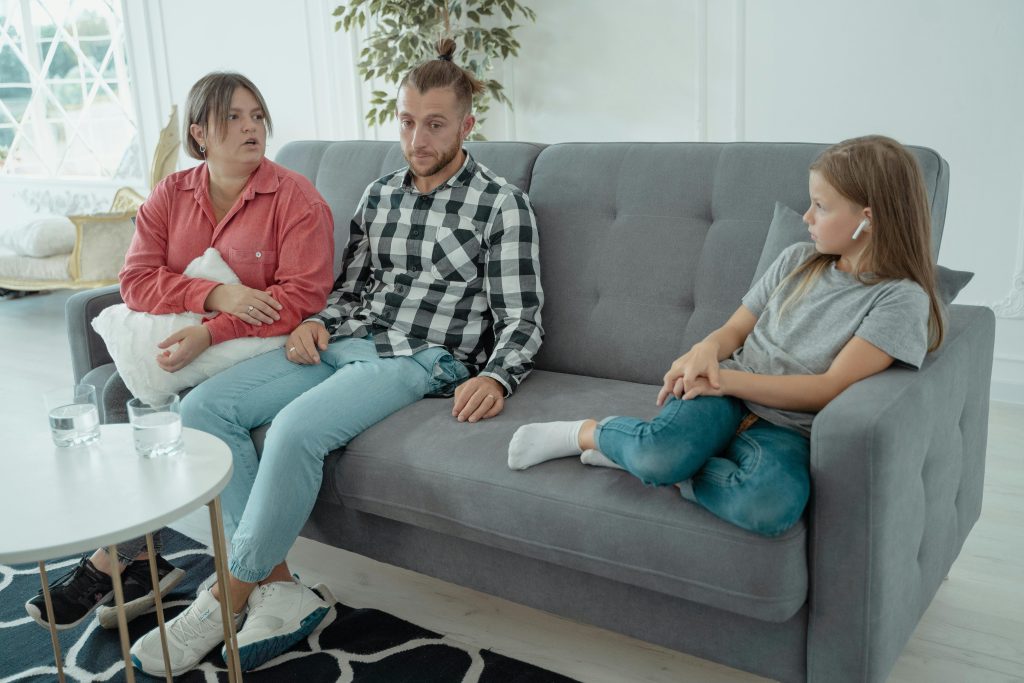
The first year of marriage may come with patience around relatives. Couples try to avoid drama with parents, siblings, and in-laws. Ignoring family interference makes it harder.
One spouse may feel their partner still listens more to their parents. Another may feel trapped between family loyalty and marriage. When outside voices influence decisions, resentment can quietly grow.
Unspoken Expectations Begin to Explode
Many people enter marriage with private expectations they never clearly explain. They expect their spouse to cook, provide, initiate affection, handle bills, clean, visit family, raise children a certain way, or behave like the spouse they imagined.
The problem is that silent expectations often become loud disappointments. Couples may start punishing each other for rules that were never discussed. One person feels let down, while the other feels attacked. This is how marriage becomes exhausting, because both partners are trying to win a game with hidden rules.
Intimacy Starts Feeling Complicated
Physical closeness can change after the first year. Work stress, emotional tension, tiredness, resentment, body image issues, and everyday pressure can all affect desire.
By Year 2, intimacy often requires conscious effort. One partner may feel rejected, the other pressured. One may want more affection; the other seeks emotional safety. When couples avoid honest conversations, the bedroom becomes a place of quiet confusion and hurt.
Chores Turn Into a Silent War
Housework can seem too small to destroy a marriage, but it often carries heavy emotional weight. Cooking, cleaning, laundry, errands, planning, and remembering household needs can become symbols of fairness or neglect.
One partner may start feeling like the unpaid household manager. The anger goes beyond daily chores; it’s about feeling unsupported and overlooked. When invisible work continues unshared, affection can turn to bitterness.
The Real Personalities Fully Show Up
Early love often comes with good behavior. People try harder, speak softer, dress better, and hide some of their worst habits because they want the relationship to succeed. Marriage eventually removes the performance. Deeper patterns may become clearer.
A spouse may reveal poor anger management, avoidance, laziness, insecurity, selfishness, or a tendency to shut down during hard conversations. This stage can be painful because the person you married may now seem different from the person you dated.
Apologies, Stop Working Without Change
An apology can calm a painful moment, but it cannot repair a repeated pattern forever. Saying sorry loses power when the same behavior keeps returning.
Couples notice what never changes: the same harsh tone, recurring broken promises, and repeated careless acts after emotional talks. One partner may stop believing apologies because repeated behavior erodes trust.
Life Goals Start Pulling in Different Directions
Two people can love each other deeply and still want very different lives. One may want children soon, while the other wants to wait. One may want to build wealth, while the other wants freedom and comfort. One may crave ambition, while the other wants a quieter life.
While some couples agree on love before agreeing on direction, relationships become harder when partners move toward different futures. Love may still exist, but marriage requires shared movement, not just shared memories.
Friendship Starts Missing From the Marriage
Romance may start the relationship, but friendship helps it survive ordinary life. A strong marriage needs laughter, trust, easy conversation, emotional safety, and the ability to enjoy each other’s company outside romantic moments.
A couple may realize they have chemistry but lack companionship. They may share a home and attend events together, yet still feel emotionally alone. When friendship disappears, marriage becomes a lonely place for both.
Conclusion
Year 2 does not automatically destroy a marriage. It simply reveals what the wedding season may have covered. It exposes weak communication, lazy effort, financial tension, family pressure, unfair labor, mismatched goals, and the emotional habits both partners brought into the relationship.
Marriages that make it through this stage are not flawless, but they are authentic. These couples recognize problems early, communicate before resentment takes root, demonstrate their apologies through changed behavior, and continue to choose each other even after the initial excitement fades. For couples willing to grow, this stage can be the turning point when their marriage becomes truly genuine
.


