


A passport is more than just a travel document. It is your key to crossing borders, exploring new countries, and experiencing the world safely. Mishandling, forgetting, or mismanaging your passport can instantly turn a dream trip into a stressful ordeal.
Many travelers underestimate how easily mistakes can happen and how costly they can be. From missing expiration dates to careless storage, passport errors can lead to denied boarding, fines, or even being stranded in a foreign country.
Understanding these mistakes in advance allows travelers to protect themselves and enjoy smooth, worry-free adventures.
Ignoring Expiration Dates
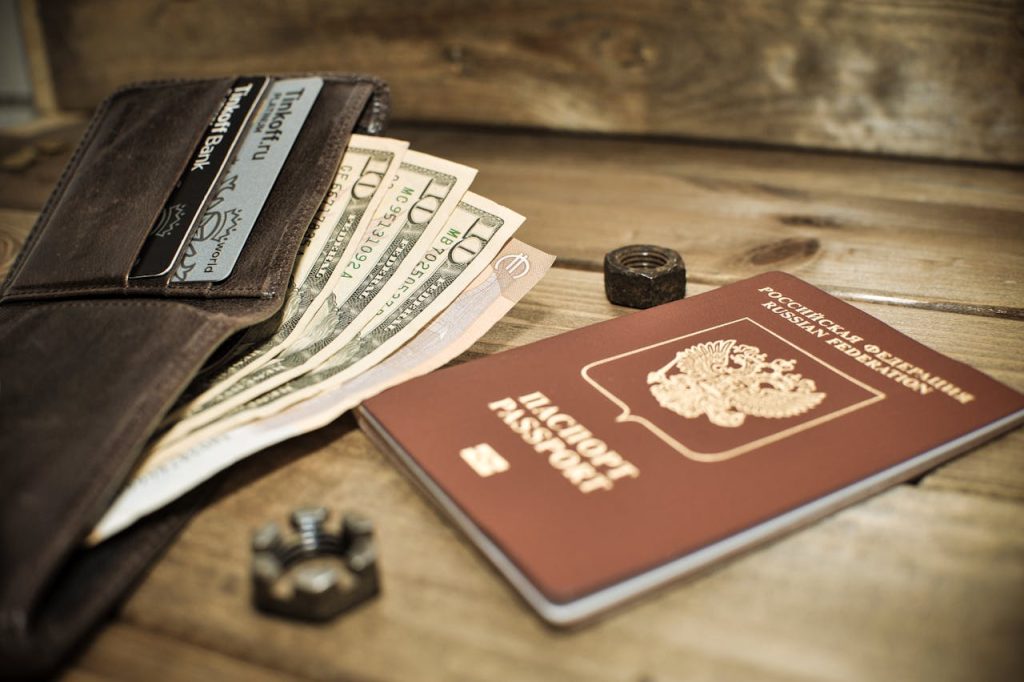
One of the most common and costly mistakes is traveling with an expired or nearly expired passport. Many countries require passports to be valid for months beyond the entry date, not just for the duration of the trip.
Failing to check expiration dates before booking or departing can result in denied boarding or refusal at the border. Travelers should always verify the validity well in advance and renew their passports promptly to avoid unnecessary stress and delays.
Forgetting to Check Visa Requirements

A passport alone is not enough to guarantee entry into another country. Some destinations require visas, electronic authorizations, or other entry documentation.
Ignoring visa requirements can prevent travelers from boarding flights or entering a country. Researching entry rules in advance and ensuring all necessary documents are in order prevents last-minute complications.
Carrying It in Unsafe Places
Some travelers carry passports in easy-access pockets, backpacks, or purses that are prone to theft or loss. Crowded areas, public transportation, and tourist attractions can increase the risk of pickpocketing.
Using a secure travel wallet, neck pouch, or money belt keeps passports protected and reduces the risk of being targeted. Vigilance and safe storage are critical for safeguarding one of your most important travel documents.
Damaging the Passport
Physical damage to a passport, such as torn pages, water exposure, or a broken cover, can render it invalid for travel. Passport control officers may refuse damaged documents regardless of whether the information is legible.
Careless handling during packing, placing it in wet or heavy bags, or spilling liquids on it can turn a valid passport into a travel nightmare. Storing passports in protective sleeves and keeping them away from potential hazards safeguards your ability to travel.
Sharing Personal Information Carelessly
A passport contains sensitive personal information, including your full name, date of birth, and identification numbers. Careless sharing of passport photos or scans online or in unsecured locations can lead to identity theft or fraud.
Travelers should limit the sharing of details, both digitally and physically, and ensure documents are stored securely at all times. Protecting personal information helps keep identity theft and financial risks at bay while abroad.
Losing the Passport
Losing a passport abroad is one of the most stressful scenarios for any traveler. Replacing it can be time-consuming, expensive, and in some cases, require staying in a foreign country longer than planned.
Travelers should always have a secure place to keep their passport, such as a travel wallet or a hotel safe. Carrying a backup copy of passport information can help quickly report a loss and expedite an emergency replacement.
Using the Wrong Name or Details
A common error is booking tickets, accommodations, or travel documents under a name that does not match the passport exactly. Even minor discrepancies, such as missing middle names or initials, can cause serious issues at airports or border control.
Ensuring that all travel reservations and official documents match the passport exactly prevents delays, fines, or denied entry. Double-checking spelling and order of names across every document is an essential part of travel preparation.
Not Keeping Copies

Relying solely on the original passport without keeping copies is a dangerous mistake. Losing or having a passport stolen without backup information can make recovery slower and more complicated.
Photocopies or digital scans stored securely allow for easier reporting to authorities and replacement at consulates or embassies. Having duplicates ensures that even if the original is lost, essential information is available to help resolve the situation efficiently.
Conclusion
A passport is the cornerstone of international travel, but mismanaging it can have serious consequences. Ignoring expiration dates, visa requirements, damage, careless information sharing, loss, booking errors, unsafe storage, and lack of copies are mistakes that can turn a simple trip into a logistical nightmare.
Preventing these errors requires awareness, preparation, and vigilance. By checking expiration dates, securing sensitive information, handling the passport carefully, and keeping backups, travelers can protect themselves and enjoy smooth, stress-free experiences.
Mindful management ensures that passports serve their purpose reliably, keeping doors open to new adventures instead of creating unnecessary obstacles. Travel with confidence by treating your passport as the valuable document it truly is
Read the Original Crafting Your Home


