

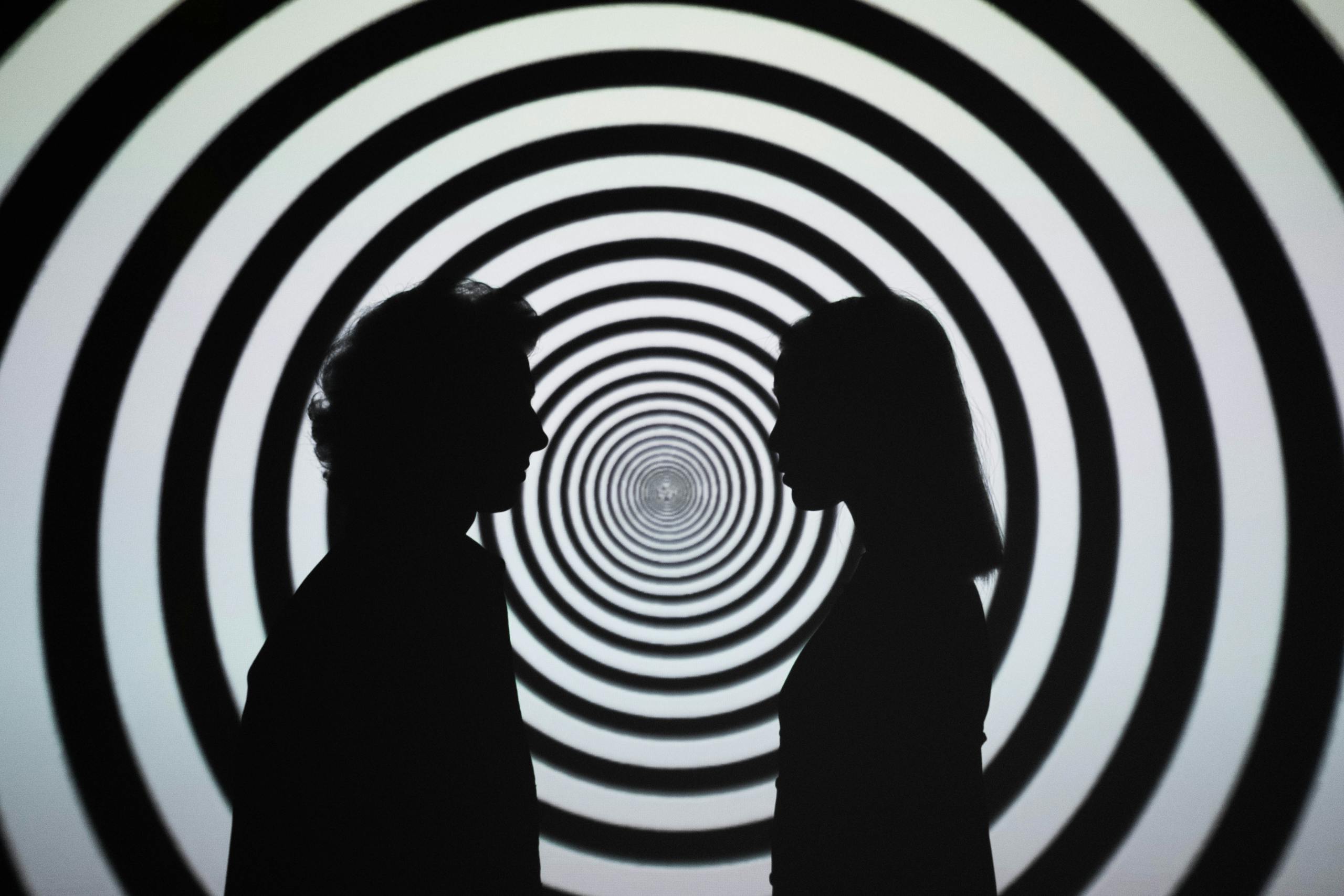
Your brain is doing something sneaky at this very moment. While you scroll, blink, and go about your day feeling completely in control of what you see, your visual system is quietly filling in gaps, making wild guesses, and occasionally getting things spectacularly wrong.
Not because something is broken, but because your brain is too fast, too confident, and absolutely convinced it knows better than reality.
Optical illusions are where that confidence falls apart in the most delightful way. Here are eight of the most mind-melting examples ever recorded, from phantom suns to floating ships to a floor that makes grown adults refuse to walk.
The Moon Illusion… Your Sky Is Gaslighting You
Here is something that will quietly unsettle you every time you look up from now on.
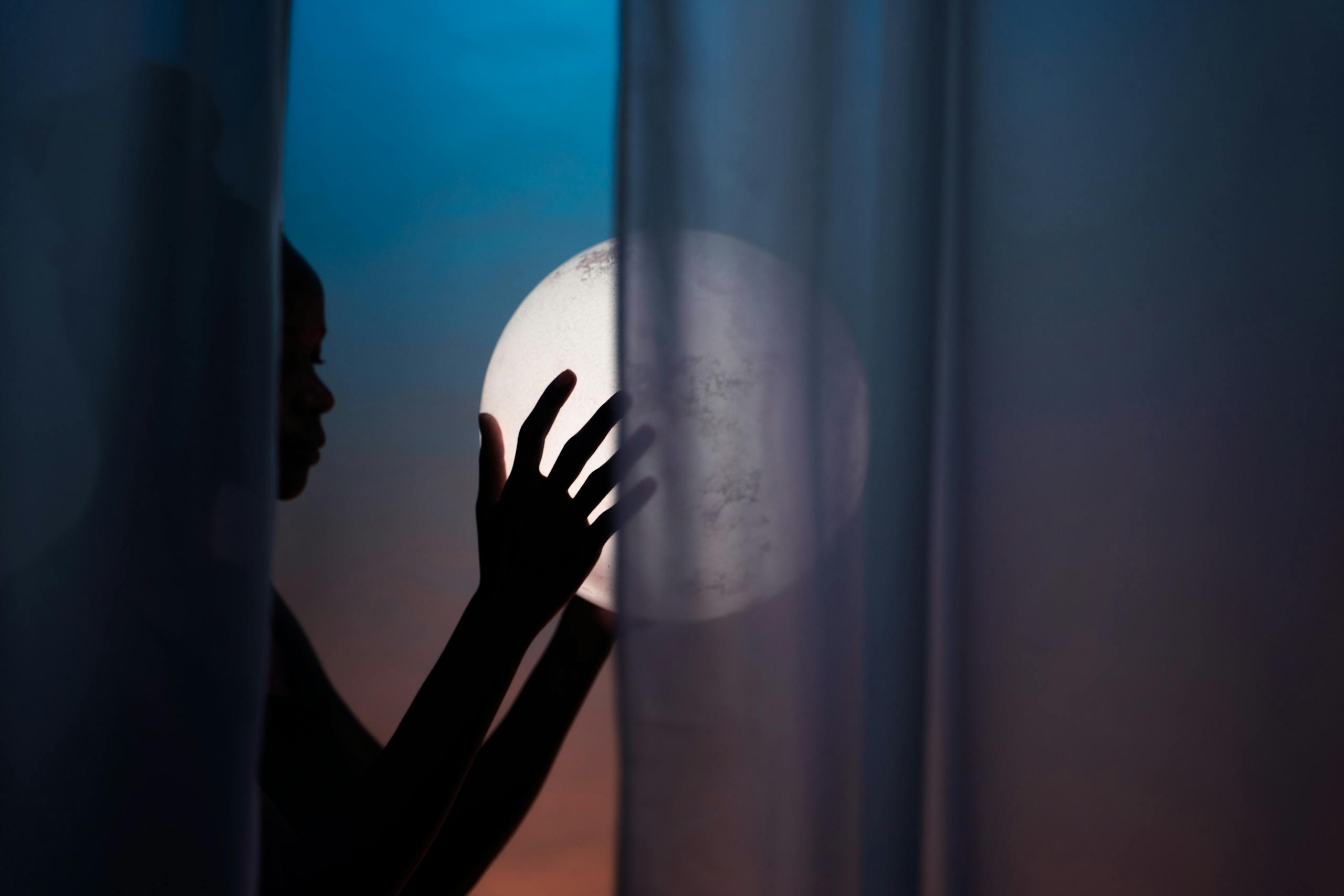
When the Moon sits low on the horizon, it looks enormous, swollen, cinematic, almost theatrical. It hangs over rooftops and treetops, as if it got too close. Then it rises higher into the sky and suddenly shrinks back to its normal, modest size.
Here is the wild part: it never changed. Not even a little. Photographs confirm it. Measurements confirm it. The Moon’s apparent size is virtually identical whether it is skimming the skyline or floating overhead.
What changes is context. Near the horizon, your brain compares the Moon to trees, buildings, and distant landscape, familiar objects it knows the size of, and concludes the Moon must be enormous. Lose those reference points and the illusion dissolves.
The Moon has been running this trick on humans for thousands of years. Aristotle noticed it. Ancient astronomers were baffled by it. And tonight, knowing everything you now know, you will still look up and think, ” Wow, the Moon is huge.
The Carpet of Doom
Somewhere on the internet lives a photograph of a perfectly ordinary hotel carpet that broke people’s brains entirely.
The carpet appeared to be riddled with deep holes and craters. People zoomed in, tilted their screens, and argued in comment sections.
Guests at the hotel reportedly walked along the edges of the room to avoid stepping into what they believed were physical depressions in the floor.
The carpet was completely flat. Not slightly uneven. Flat. The designers had arranged gradients, shadows, and color blocks in a pattern that mimicked depth so convincingly that the visual cortex simply refused to believe the floor was safe.
Dark tones read as depth; light tones read as elevation. The brain assembled this information into a three-dimensional minefield and stood firm on that conclusion. It is a regular carpet. People were terrified of a carpet.
Fata Morgana
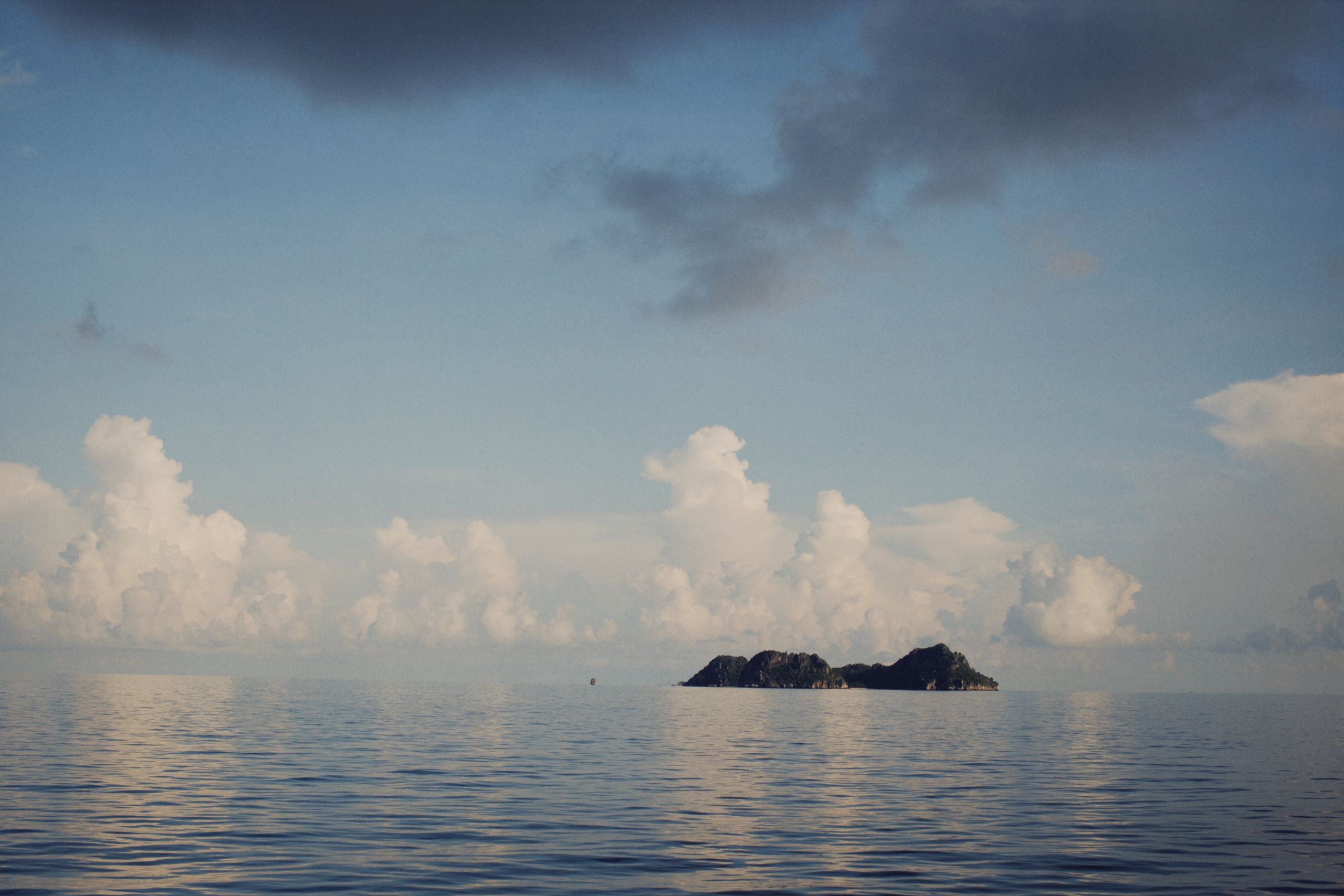
Sailors once reported seeing floating castles above the sea. Entire coastlines hovering in the air. Cities built on nothing.
They were not hallucinating. They were watching a Fata Morgana, one of the most visually dramatic atmospheric phenomena on Earth, and the likely inspiration for centuries of sea monster myths and UFO reports.
A Fata Morgana happens when layers of air at different temperatures stack on top of each other near the surface of the ocean or desert.
Because light bends differently through warm and cold air, distant objects get stretched, duplicated, inverted, and elevated.
A fishing boat becomes a floating fortress. A coastline lifts off the water entirely. Under ideal conditions, the results look less like meteorology and more like science fiction.
The name comes from the Arthurian sorceress Morgan le Fay, because medieval observers had no other explanation for what they were witnessing. In fairness, neither would you.
Floating Ships
If a Fata Morgana can transform boats into castles, temperature inversions can do something arguably stranger: make massive cargo ships appear to hover in mid-air with visible sky beneath the hull.
Photographs of this phenomenon surface regularly online and are immediately met with accusations of digital manipulation. The ships simply look too impossible, enormous steel vessels suspended above the ocean like someone forgot to attach them to the water.
The physics behind it are real. When a warm air layer sits above a cooler one near the sea’s surface, light curves upward instead of traveling in a straight line. The ship’s reflection and its actual position get displaced, creating a visible gap that the eyes insist should not exist.
These photos are not edited. The ships are not flying. Your visual intuition is simply encountering something it was never designed to process.
Sundogs

On a cold, clear morning, you might glance up and count three suns. Sundogs, scientifically called parhelia, appear as intensely bright spots flanking the sun on either side, often at the same height on the horizon.
They can be so vivid that they genuinely resemble additional suns, complete with color and glare.
The culprit is hexagonal ice crystals drifting in the upper atmosphere. As sunlight passes through them, they act as millions of tiny prisms, bending and separating light at precise angles.
The result is two bright halos positioned exactly 22 degrees from the sun on each side, close enough to the real thing to cause serious confusion.
Throughout history, sundogs were interpreted as omens, divine signs, and warnings of war. Today we understand them as physics. They are no less spectacular for it.
The Staircase That Goes Nowhere and Everywhere
Somewhere between sculpture and psychological experiment lives a category of public art that uses forced perspective to build something that should not exist.
Certain installations, constructed from carefully angled metal tubing or cleverly painted surfaces, appear from one specific viewpoint to be a complete, solid staircase ascending gracefully into the sky.
Walk ten steps left or right, and the illusion shatters entirely; you see scattered fragments, angles, and gaps that reveal the whole thing was an elaborate visual trick.
These works exploit a quirk the brain cannot override: when fragments align into a familiar pattern, the visual system locks on and refuses to acknowledge the gaps. It sees stairs. It insists on stairs. The stairs do not exist, and it does not care.
Dead Trees That Look Like a Painting
Namibia’s Deadvlei is one of those places that looks physically impossible in photographs.
A blinding white clay floor. Orange dunes soaring overhead. And scattered across the basin, the blackened skeletons of ancient trees that died roughly 900 years ago, preserved by the desert’s extreme aridity rather than decomposing.
Under the right light, the contrast between the black trees, the white ground, and the saturated dunes becomes so extreme that depth disappears. The scene compresses into what looks like a painting, flat, surreal, slightly unreal.
Tourists who visit for the first time often describe a disorienting sense that they have walked into an artwork rather than a landscape. It is not a painting. It is just light doing what light does when it runs out of mercy.
The Negative Afterimage
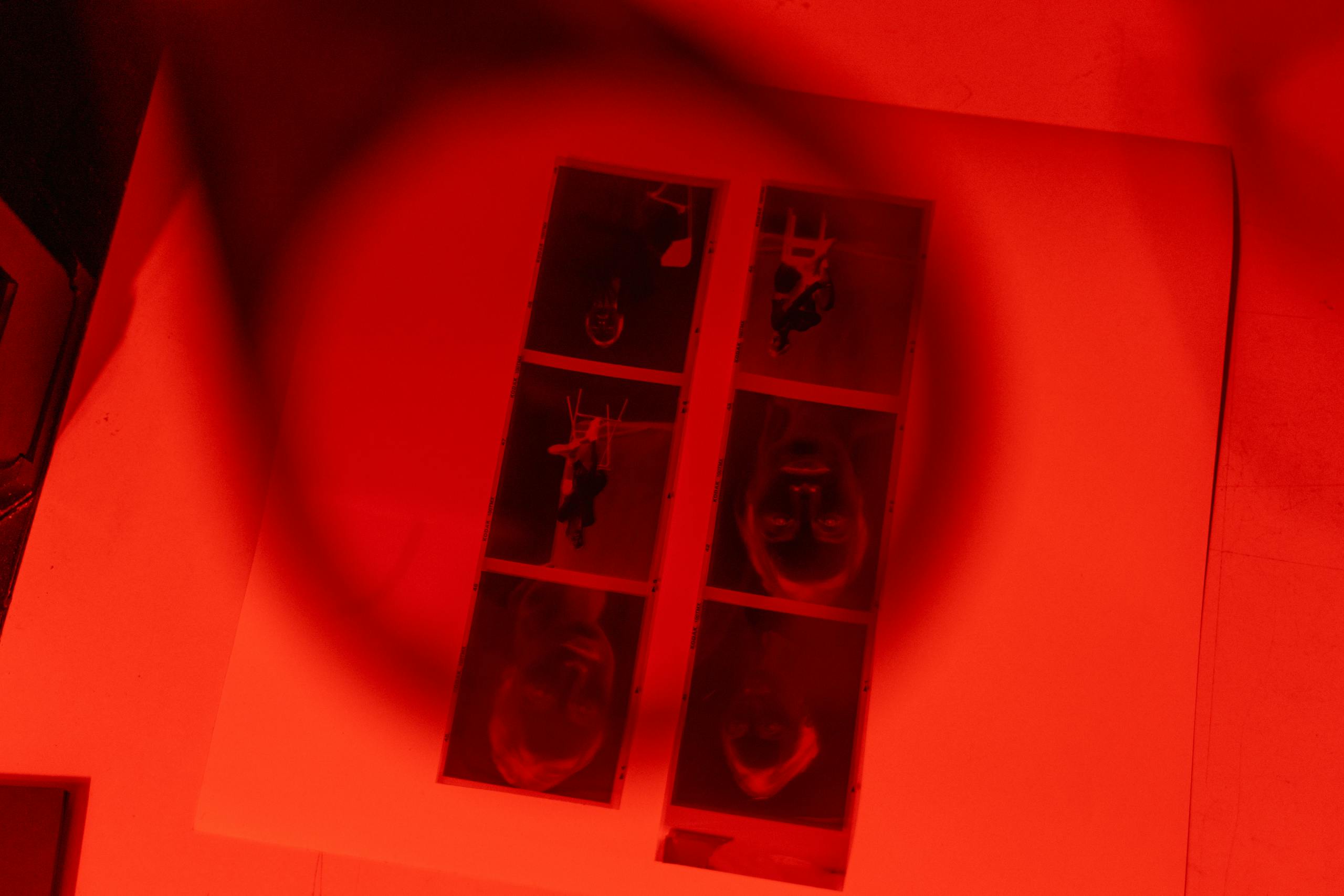
Stare at a high-contrast image in inverted colors for about thirty seconds, then look at a white wall.
What happens next is genuinely strange. A full-color version of the image floats in your vision, vivid and brief, before fading out like a developing photograph in reverse.
This is a negative afterimage, and it is caused by your own eye receptors staging a small rebellion. Stare at red long enough, and the red-sensitive cells get tired.
Look away, and the non-tired cells, the ones tuned to green, fire harder to compensate. Your brain reads this imbalance as color and projects a ghost image that exists entirely inside your visual system. Nothing is on the wall. The image is being generated live inside your head.
Conclusion
What every illusion on this list has in common is this: reality was not the problem. Your brain was.
That is not an insult. The same shortcuts that make you see holes in flat carpets and floating ships on real oceans are also what let you drive, read faces, and catch things without thinking.
Your visual system is extraordinary; it just occasionally needs to be reminded that extraordinary is not the same as infallible. The world is strange enough. Your brain makes it stranger. And honestly? That’s what makes it interesting.


