

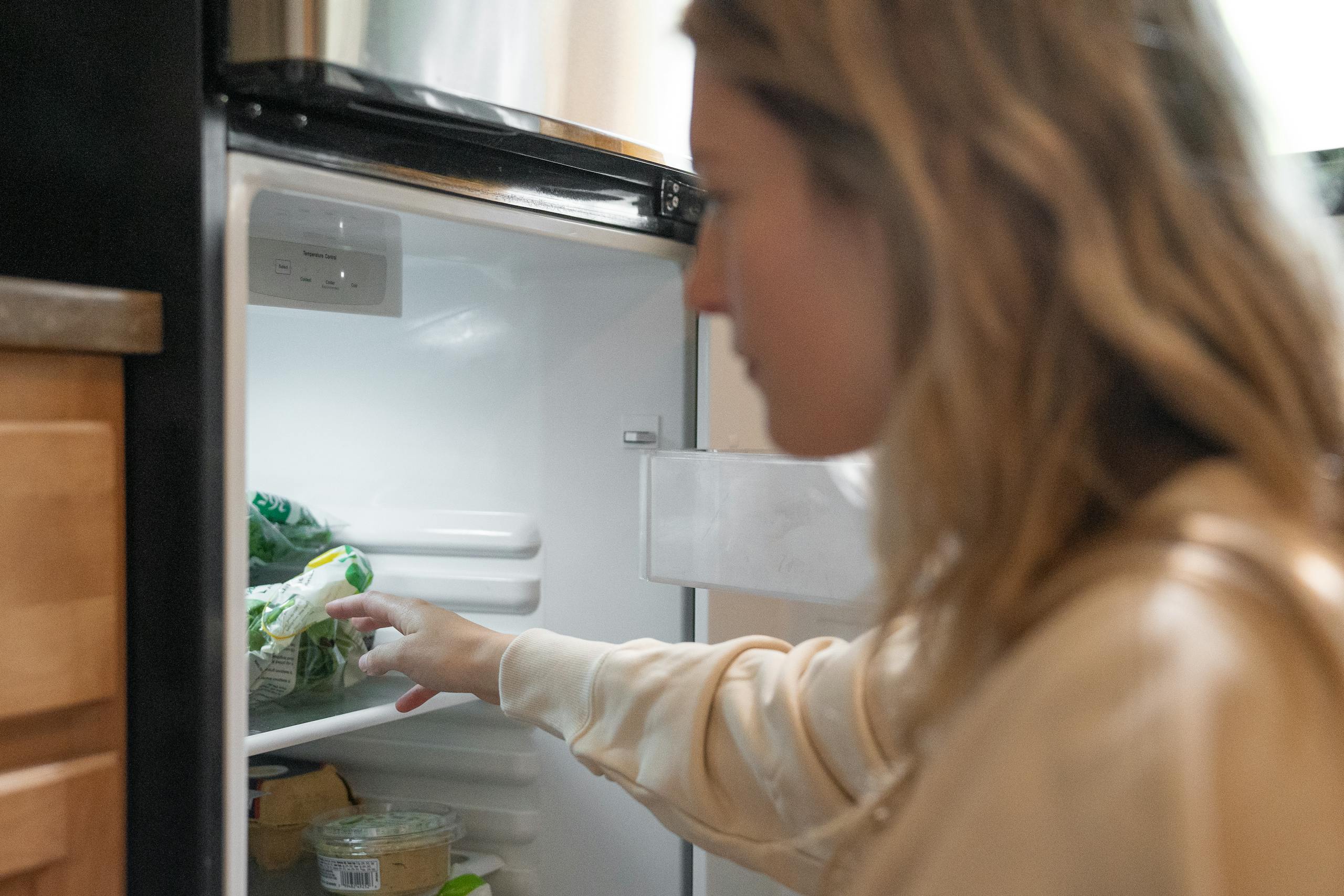
Keeping a clean, safe, and organized freezer is essential for maintaining the quality of your food and preventing health risks.
Over time, foods that seem perfectly fine may develop subtle signs of spoilage, freezer burn, or bacterial contamination.
Ignoring these warning signs can lead to unpleasant textures, off flavors, and even foodborne illnesses. Knowing which items to discard immediately ensures your meals remain safe, flavorful, and nutritious.
Here are the most critical freezer items to check and remove without hesitation. Each of these can degrade significantly over time, and some can even pose health risks if ignored.
Meat That Has Turned Gray or Frostbitten

Meat that appears gray, icy, or unrecognizable is no longer safe to eat. Freezer burn damages protein structure, leading to dry, tough, or flavorless meat.
Thawing and refreezing multiple times further increases the risk of bacterial growth, potentially making it dangerous to consume.
Even cuts that appear intact can harbor bacteria if stored for too long. Always label meat with the freezing date and consume it within the recommended storage period to minimize risk. If the meat’s color or smell is off, discard it immediately to avoid illness.
Ice Cream With Ice Crystals
When ice cream develops noticeable ice crystals, it is a sign that it has thawed and refrozen. This process breaks down the smooth, creamy texture and can introduce off-flavors.
Ice crystal formation usually occurs when the freezer temperature fluctuates or the ice cream has been stored for months beyond its optimal window.
Consuming ice cream in this state can result in an unpleasant taste and texture, undermining the enjoyment of this treat. To prevent this, store ice cream in the back of the freezer, where temperatures are most stable, and avoid repeated opening.
Vegetables With Ice Burn

Frozen vegetables that show ice crystals or have dried edges have likely lost nutrients and flavor. Freezer burn occurs when air penetrates packaging, dehydrating the vegetables and creating a tough or mushy texture.
To extend freshness, keep vegetables in airtight containers or vacuum-sealed bags. Consume frozen vegetables within eight to twelve months to ensure both safety and taste. Any with visible damage should be tossed to prevent wasted meals.
Unidentifiable Leftovers
Leftovers lacking clear labels or freezing dates are unsafe to eat. Improperly cooled foods, or those stored for more than a few months, can develop bacteria despite being frozen. Freezing slows bacterial growth but does not eliminate existing pathogens.
Always label leftovers with contents and freezing date. Any container that raises doubts about its origin or safety should be discarded to avoid the risk of foodborne illness.
Cloudy or Smelly Ice Cubes
Ice cubes that appear cloudy, shrunk, or smell strange have absorbed odors from surrounding foods or experienced repeated temperature fluctuations. These changes can negatively affect beverages, leaving them with an off taste.
Store ice in airtight containers to preserve its flavor, and consider placing a box of baking soda in the freezer to neutralize odors. Replace old ice cubes regularly to maintain freshness.
Discolored Frozen Fish

Fish with white, gray, or bleached patches show clear signs of freezer burn. These discolorations indicate dehydration, which affects both flavor and texture. Freezer-burned fish can become tough, dry, and develop a pungent odor that signals spoilage.
Consume fish promptly or properly vacuum-seal portions to extend shelf life. Any fish displaying abnormal color, texture, or smell should be discarded immediately.
Dairy Products Showing Texture or Smell Changes
Cheese, yogurt, or milk that smells sour, has separated, or feels dry and crumbly is past its safe consumption point. Freezer burn alters the composition of fats and proteins in dairy products, leading to grainy textures or unpleasant flavors.
Always freeze dairy in tightly sealed containers and consume within the recommended periods. Discard any dairy showing signs of spoilage to avoid digestive issues or food poisoning.
Expired Frozen Meals
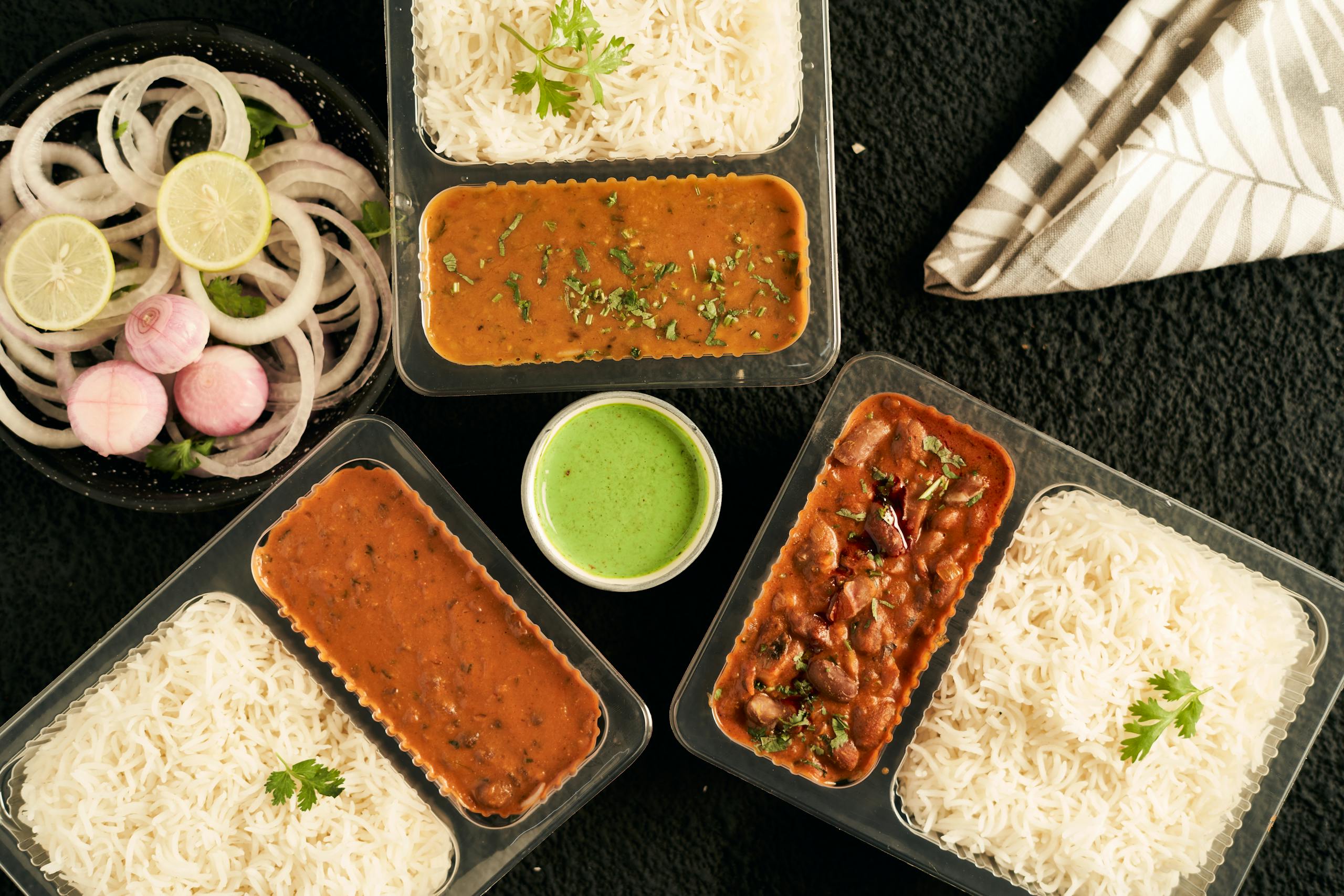
Frozen meals have a shelf life and can degrade in taste, texture, and nutritional value over time. Consuming food past its expiration date increases the risk of freezer burn and can result in bland, unappetizing food.
Check expiration dates and rotate frozen meals regularly. Discard any meal that has been frozen beyond the suggested period to maintain quality and safety.
Conclusion
Organizing your freezer by food type, clearly labeling containers, and regularly checking for spoilage ensures optimal quality and safety.
Regularly discarding questionable items preserves the integrity of your meals, prevents contamination, and keeps the freezer efficient.
Key takeaway: Any food showing visual, textural, or olfactory signs of degradation should be discarded immediately.
Staying vigilant prevents illness, preserves flavor, and ensures your freezer remains a reliable source of safe, enjoyable meals.


