

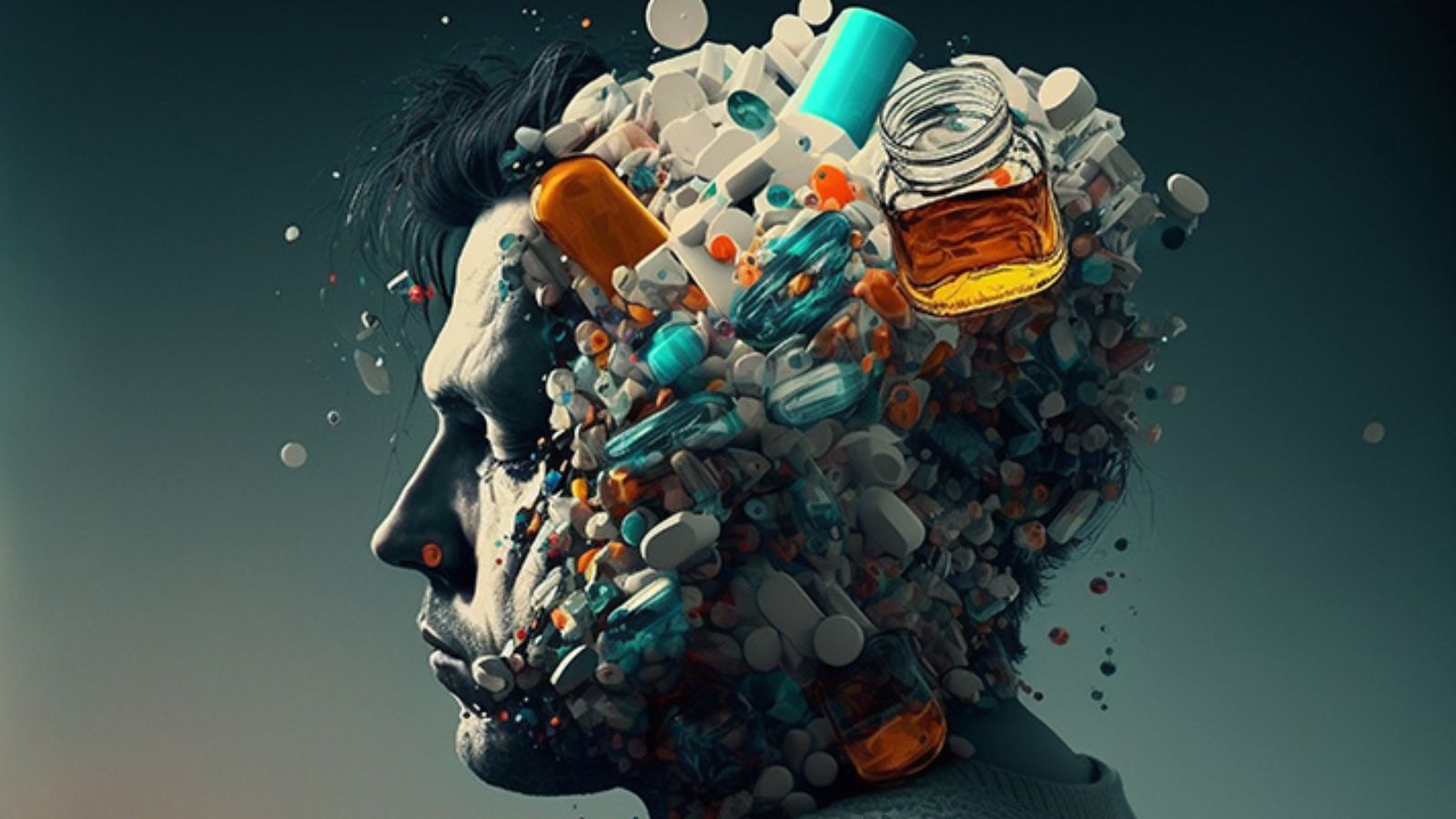
Addiction is not always about drugs, alcohol, or gambling. Sometimes people become attached to strange habits that look harmless, confusing, or even shocking from the outside. The real issue starts when the person feels unable to stop, even when the habit is affecting their health, relationships, money, emotions, or daily life.
These strange addictions show how powerful the brain can be. If something gives comfort, pleasure, attention, escape, or emotional relief, the brain may start craving it again and again. That is why some unusual behaviors can slowly turn from “just a habit” into something much harder to control.
People Can Get Addicted To Being Rejected In Love

Some people keep chasing someone who does not want them back, and they may not understand why they can’t stop. They replay old conversations, check their phone constantly, stalk social media pages, and hold on to tiny signs of hope. Even when the rejection hurts them, they keep going back because the pain feels mixed with excitement.
It becomes a cycle of hope, disappointment, longing, and emotional confusion. This kind of addiction is not really about love anymore. It is often about the chase, the fantasy, and the need to feel chosen by someone who keeps pulling away.
The brain starts treating small bits of attention like a reward, so one reply or one compliment can feel powerful enough to restart the whole cycle. That is why some people stay emotionally attached to someone who keeps making them feel unwanted
Drinking Too Much Water And Can’t Stop

Drinking water is healthy, but drinking too much water can become dangerous. Some people become so obsessed with staying hydrated that they drink water all day, even when they are not thirsty. They may feel anxious if they do not have a bottle nearby or panic if they go too long without drinking.
What begins as a healthy habit can slowly become a stressful routine they feel forced to follow. Too much water can harm the body because it may lower the amount of sodium in the blood. This can lead to headaches, confusion, weakness, nausea, or serious health problems in extreme cases.
The strange part is that the person may believe they are doing something good for their body. That is what makes this addiction tricky: it hides behind health and wellness, but too much of anything can become harmful.
Some People Crave Eating Things That Are Not Food
Some people feel strong cravings for things that are not meant to be eaten, such as chalk, dirt, paper, clay, soap, hair, or ice. This condition is often linked to something called pica. To someone watching from the outside, the behavior may seem shocking or impossible to understand.
But to the person experiencing it, the craving can feel real, urgent, and difficult to ignore. This type of craving may be connected to stress, pregnancy, iron deficiency, childhood development, or other health issues. It can also become dangerous depending on what the person eats.
Dirt may contain parasites, paint may contain toxins, and paper or hair may cause stomach problems. That is why this behavior should not be treated as a joke. It is strange, yes, but it can also be a serious sign that the body or mind needs help.
Getting Tattoos Because They Love The Feeling

Many people get tattoos because they love body art, personal meaning, or creative expression. A tattoo can represent family, pain, faith, survival, beauty, or a major life change. But for some people, the craving is not just about the design. They enjoy the whole process, including the pain, attention, excitement, and emotional release that comes with getting tattooed.
This can become a problem when someone keeps getting tattoos impulsively, spends money they cannot afford, or feels restless until the next session. The tattoo needle may become a way to deal with sadness, boredom, anger, or emotional pressure. The person may feel like each new tattoo gives them a fresh identity or a short burst of control. Tattoos can be beautiful, but the habit becomes concerning when the person depends on them to feel okay.
An Addiction To Tanning Their Skin

Tanning can begin as a beauty choice. Some people like the way a tan makes them look, especially because society often connects bronzed skin with confidence, vacations, beauty, and health. The problem starts when someone feels unattractive, pale, or uncomfortable without a tan. At that point, tanning stops being a simple style preference and starts becoming something they feel they need.
This addiction can be dangerous because repeated exposure to UV rays can damage the skin and raise the risk of skin cancer. Still, people who are addicted to tanning may ignore the risks because the emotional reward feels stronger in the moment. They may feel calmer, prettier, or more confident after tanning. That short-term confidence can make it harder to stop, even when they know the long-term damage is real.
Collection of Many Animals
Animal hoarding often begins with good intentions. A person may love animals deeply and want to rescue every abandoned cat, dog, bird, or neglected pet they see. At first, it can look kind and caring. But when the number of animals becomes too large, the person may no longer be able to feed them properly, clean the space, provide medical care, or give each animal enough attention.
This becomes harmful because the animals may suffer, even though the person believes they are helping. The home can become dirty, overcrowded, and unsafe. The person may deny the problem and insist that nobody else can care for the animals better than they can. That is why animal hoarding is so sad. It is often love without limits, and love without proper care can turn into neglect.
An Addiction to Cosmetic Surgery
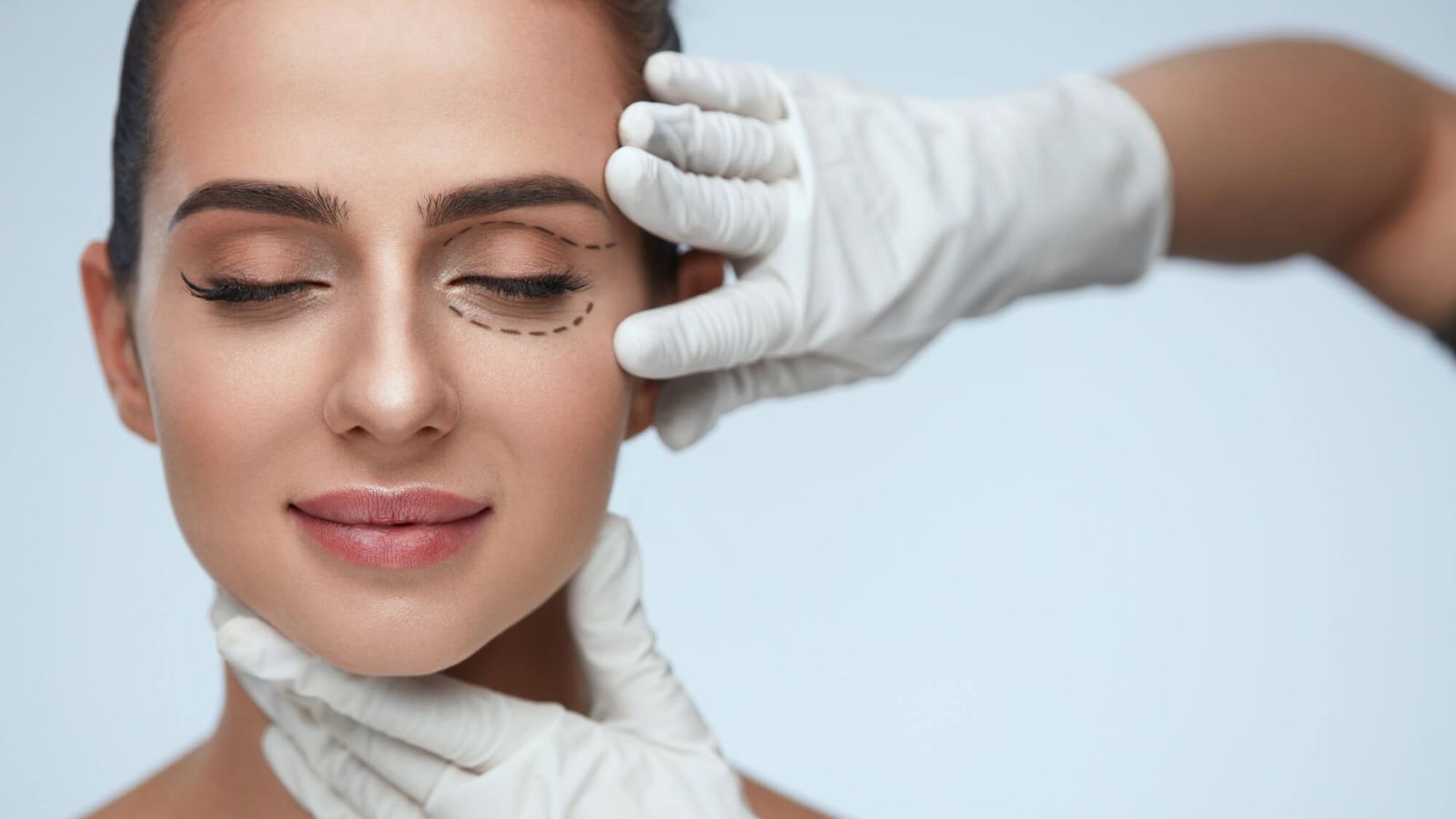
Plastic surgery can help people feel more confident or correct something that bothers them. It can also help after accidents, illness, or body changes. But some people keep getting surgery because they are never satisfied with how they look. They fix one thing, then quickly find another problem. The mirror becomes impossible to please.
This can happen when someone is deeply unhappy with their appearance, even if other people do not see the flaw. The person may believe the next procedure will finally make them feel beautiful, accepted, or complete. But the relief often fades, and the insecurity returns. That is why plastic surgery addiction is not really about beauty. It is often about chasing peace in a body the person has learned to criticize.
Getting Hooked On Risky Wellness Habits
Some wellness habits can sound healthy at first, especially when they promise detox, cleansing, energy, weight loss, or a fresh start. Coffee enemas are one example of a risky wellness habit that some people may repeat too often. The person may believe they are cleaning their body or improving their health, but the practice can be harmful when done without proper medical guidance.
The danger is that wellness language can make risky habits feel safe. A person may ignore warning signs because they believe the discomfort means the method is “working.” Over time, the ritual can become something they feel they must do to feel clean, healthy, or in control. This is why extreme wellness trends can become addictive. They often sell control to people who feel anxious about their bodies.
Addiction To Cheese Or Dairy Foods
Cheese, ice cream, butter, milk, and cream are common comfort foods. They are rich, familiar, and often connected to happy memories, family meals, celebrations, or late-night emotional eating. For most people, enjoying dairy is not a problem. But for some, the craving becomes so strong that they feel unable to control how much they eat.
This kind of addiction is usually emotional as much as physical. A person may reach for cheese or ice cream when they are stressed, lonely, tired, or upset. The food gives quick comfort, but the comfort does not last long. Then they may feel guilty and repeat the same pattern again later. Dairy is not the enemy, but depending on it for emotional relief can become unhealthy.
Obsession With Drinking Blood
Blood drinking sounds like something from vampire stories, but rare cases of blood-related obsession do exist. This is one of the darkest and strangest addictions because blood has always carried powerful meaning in myths, horror stories, religion, and folklore. People have long connected blood with life, strength, danger, sacrifice, and mystery.
That history makes the behavior feel dramatic, but real-life blood drinking is not glamorous. This type of obsession can be dangerous and may be connected to mental health struggles, trauma, self-harm, fantasy, or deep emotional disturbance. Drinking blood can also carry health risks, especially if it involves another person.
It should never be treated as a cool or mysterious habit. It is a serious warning sign that the person may need medical and psychological help before the behavior causes harm.
Conclusion
Strange addictions may sound shocking, but they often begin with very human needs. People want comfort, beauty, control, love, relief, attention, meaning, or escape. The problem begins when the habit becomes stronger than the person’s ability to stop. That is when something that once felt helpful can start causing real harm.
The best way to understand these addictions is not to laugh at them, but to look at what they are trying to replace. Tanning may replace confidence. Rejection may replace emotional security. Animal hoarding may replace loneliness. Plastic surgery may replace self-acceptance. Food cravings may replace comfort. Risky wellness habits may replace control.


