


Sandwiches are more than just bread and filling; they are time capsules of flavor, memory, and culinary curiosity. Some of the most intriguing ones come from kitchens of decades past, where experimentation met practicality, and every pantry staple had a story.
These sandwiches might seem odd to modern taste buds, yet they were beloved comfort foods that reflected family traditions, regional preferences, and a willingness to play with flavor.
From tangy surprises to creamy indulgences, each creation offers a glimpse into the past. Let’s wander through 10 sandwiches that evoke warmth, nostalgia, and sometimes a little surprise.
Cucumber and Cream Cheese Sandwich
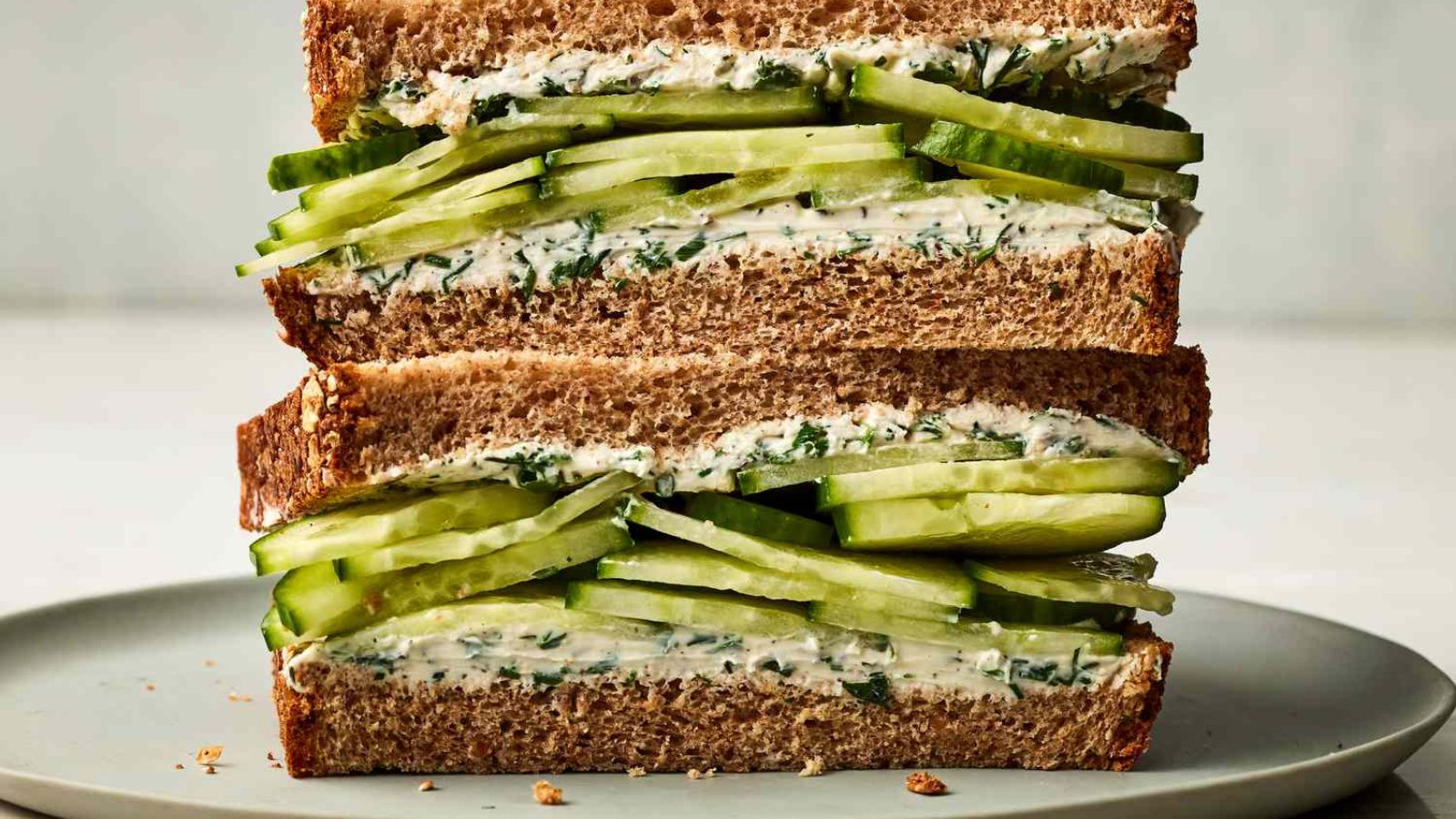
Light, delicate, and refreshing, this sandwich was the darling of early 20th-century tea tables. Thinly sliced cucumbers layered over smooth cream cheese on soft bread created a cool, crisp bite that felt elegant yet approachable.
Often sprinkled with a touch of salt or fresh herbs, it captured the era’s emphasis on simplicity and refinement, making it a favorite for luncheons and family gatherings.
Fried Bologna Sandwich
There’s something undeniably satisfying about the sizzle of bologna hitting a hot pan. Once pan-fried until the edges crisped, this humble meat transformed into a rich, savory treat tucked between buttered slices of bread.
Popular in diners and homes alike, it represented mid-century Americana, when flavor and economy danced together to create hearty comfort food.
Ham Salad Sandwich
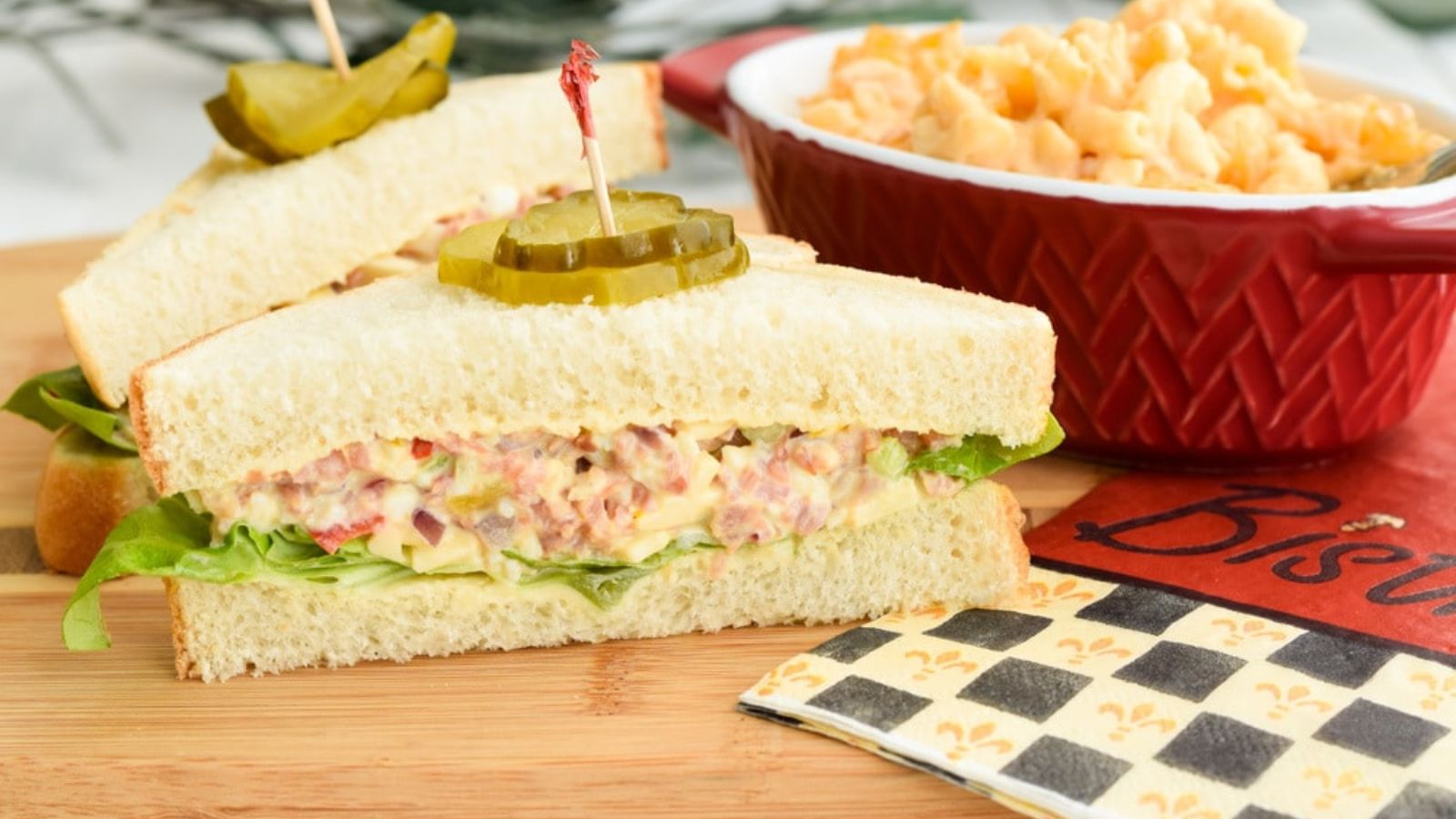
Ham salad combined leftover ham with creamy mayonnaise, a dash of mustard, and sometimes relish or chopped pickles. The mixture created a tangy, flavorful filling that could turn simple bread into a satisfying lunch.
It reflected a practical approach to cooking, emphasizing thrift and taste, and was a reliable crowd-pleaser at picnics and school lunches.
Deviled Ham Sandwich
For those who liked a little zing, deviled ham offered a punch of spices blended into finely ground ham. Spread generously over crackers or bread, it became a quick, protein-rich meal that added excitement to ordinary lunches.
Its popularity in early-20th-century kitchens highlighted a love of bold flavors that made each bite memorable.
Egg and Mustard Sandwich
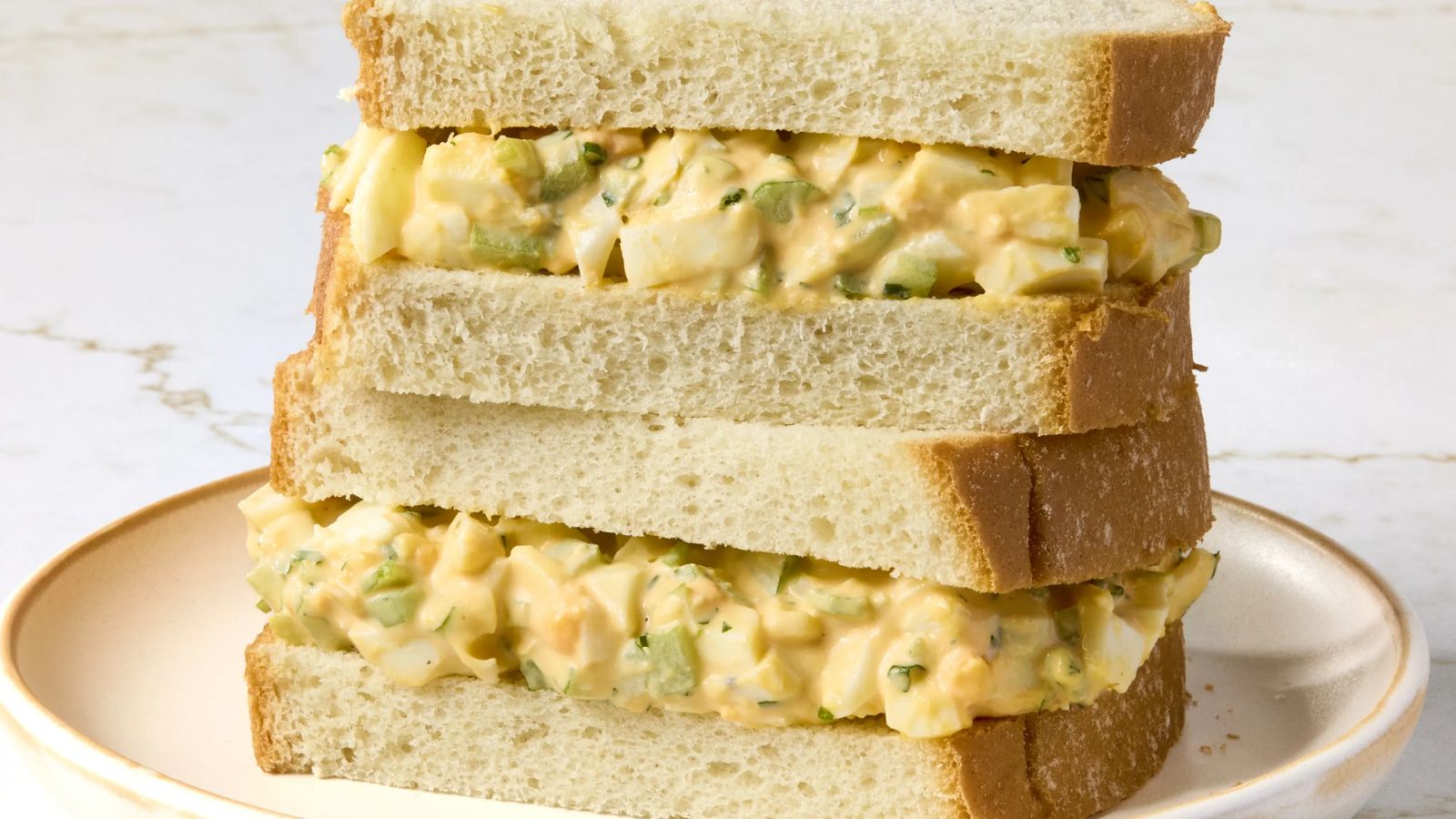
A creamy, tangy, and protein-packed option, the egg-and-mustard sandwich combined hard-boiled eggs with a touch of sharp mustard. The texture was soft yet substantial, giving a simple bread sandwich a lively flavor profile.
Perfect for a quick bite, it illustrated how early cooks made ordinary ingredients feel purposeful and flavorful.
Spam and Pineapple Sandwich
Introduced during the post-war era, Spam paired with pineapple might raise eyebrows today, but it was a tropical-inspired sensation in many households.
The salty, rich meat paired with sweet, juicy pineapple created a playful contrast that highlighted adventurous cooking when ingredients were scarce, yet creativity was abundant. It’s a quirky reminder of global influences and resourceful kitchens adapting to new flavors.
Open-Faced Tuna Melt
Open-faced sandwiches offered warmth and immediacy, and tuna melts were iconic. A generous scoop of tuna salad layered on bread and topped with melted cheese produced a gooey, savory delight that satisfied both hunger and curiosity.
Perfect for busy afternoons, it became a staple in homes where convenience met indulgence, giving a humble sandwich a touch of restaurant flair.
Peanut Butter and Pickle Sandwich
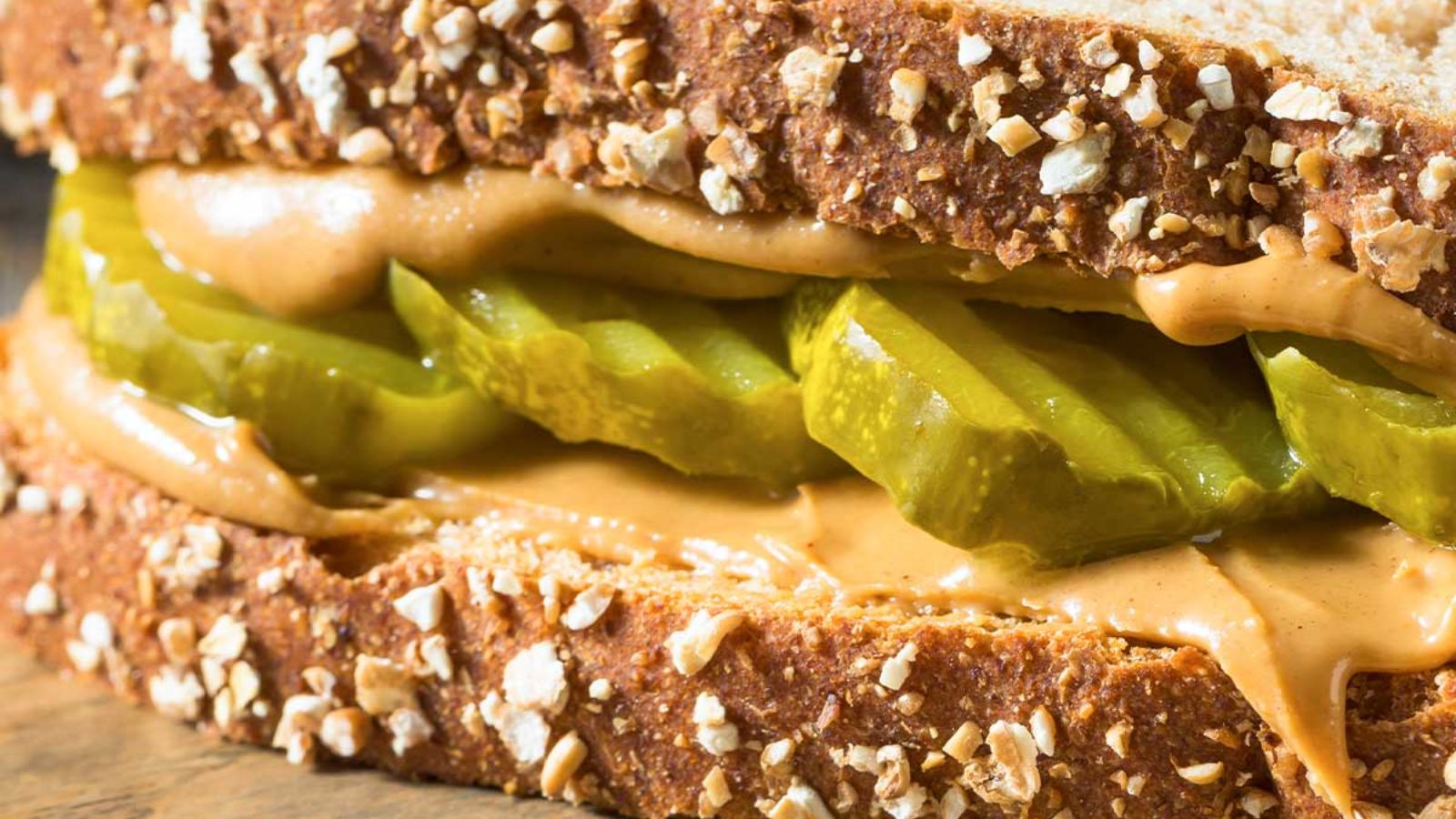
Though it might sound strange today, peanut butter and pickle sandwiches were a quirky childhood favorite. The creamy, nutty spread paired with briny, crisp pickles created a surprisingly balanced mix of sweet, salty, and tangy.
It reflected an era when experimentation in the kitchen was encouraged, and flavor curiosity often triumphed over conventional combinations.
Grilled Cheese with Tomato
Adding fresh tomato slices to a buttery, melted grilled cheese created a comforting yet slightly tangy twist. The juicy acidity cut through the richness of the cheese, producing a cozy, flavorful bite.
This variation shows how small adjustments to a familiar favorite could transform it into something that felt both classic and inventive.
Liverwurst and Onion Sandwich
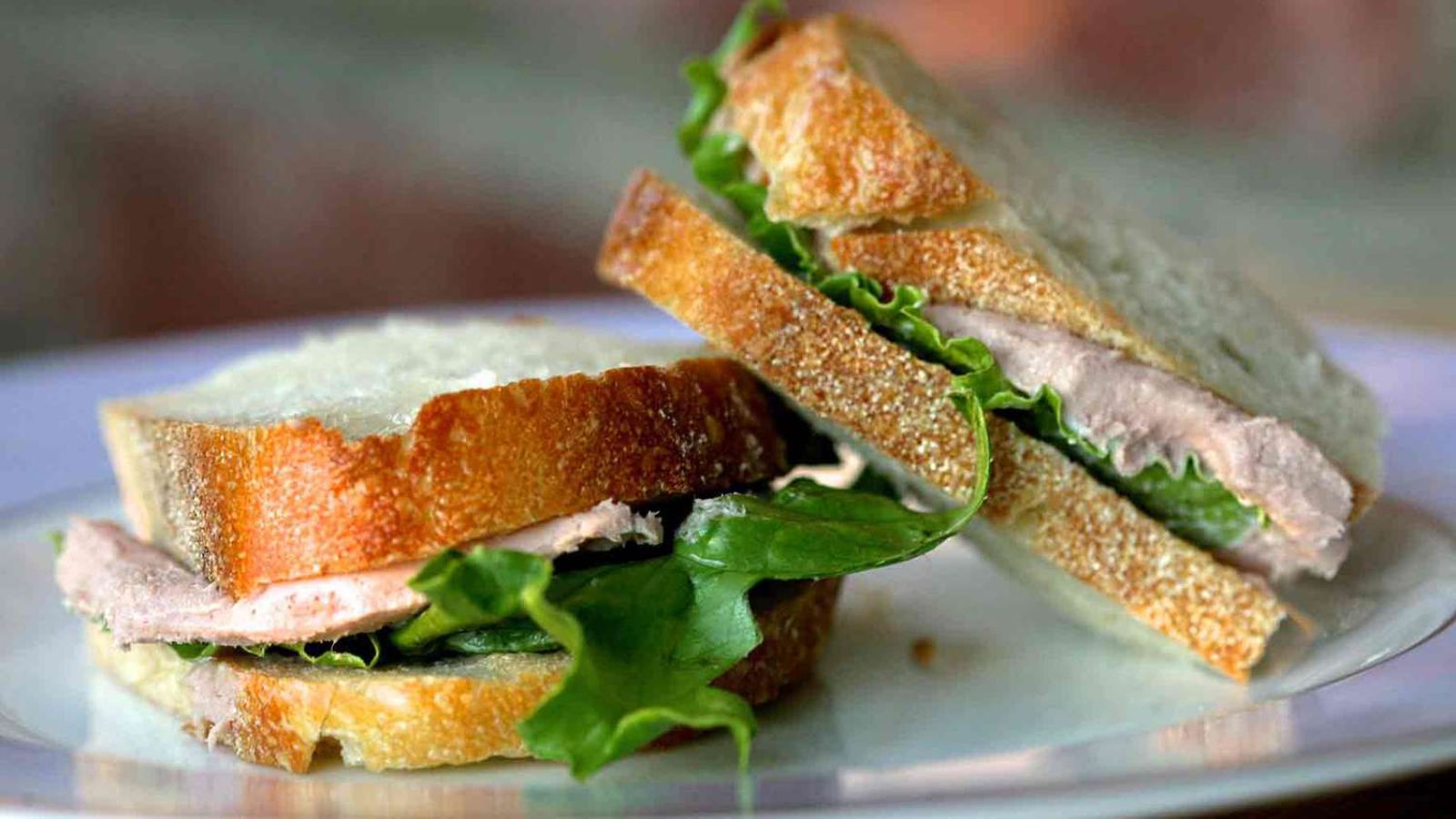
Liverwurst may be an acquired taste now, but it was a staple in many German-American homes. Paired with sharp, pungent onions and hearty rye bread, it offered a rich, flavorful experience that was far from bland.
It demonstrated how regional traditions shaped sandwich culture, giving everyday meals a sense of heritage and depth.
Bologna and Peanut Butter Sandwich
Combining bologna with peanut butter might seem daring, but it was a surprisingly satisfying creation in some mid-century kitchens.
The salty, savory meat contrasted with the creamy sweetness of the peanut butter, producing a flavor that was both playful and comforting. It’s a testament to the bold, inventive spirit of home cooks experimenting with pantry staples.
Cream Cheese and Jelly Sandwich

Before peanut butter dominated lunchboxes, cream cheese and jelly sandwiches offered creamy, fruity delight. Thick spreads of cream cheese paired with tart or sweet jelly transformed simple bread into a luscious treat.
Its enduring appeal lies in texture contrast—the smooth richness of cheese with the sticky sweetness of jelly proving that sometimes simplicity is truly satisfying.
Meatloaf Sandwich

Leftover meatloaf found new life as a thick, hearty sandwich filling. Stacked between slices of bread and often dressed with ketchup or mustard, it turned dinner remnants into an indulgent lunch.
This sandwich exemplified comfort and practicality, showing how repurposing leftovers could create meals that felt both cozy and complete.
Key Takeaway
Exploring these sandwiches reveals more than recipes; it uncovers a history of creativity, necessity, and nostalgia. From tangy surprises to sweet and savory experiments, they remind us that flavor is deeply tied to memory and cultural context.
Revisiting these culinary relics encourages us to honor the past while daring to taste boldly in the present.


