Pregnancy is supposed to be a time of anticipation and excitement, but for women facing high-risk pregnancies, anxiety can silently take over. This invisible burden infiltrates daily life, altering routines, energy, sleep, and even relationships without obvious warning signs.
Understanding the 8 hidden ways anxiety shapes lifestyle is crucial because ignoring it can make both physical and emotional challenges far more hazardous.
Sleep Disruptions Drain Energy

Anxiety often prevents restful sleep, leaving pregnant women exhausted even after lying in bed for hours. Thoughts about health, complications, and the future keep the mind racing, making relaxation nearly impossible. Lack of quality sleep affects daily lifestyle, causing fatigue, irritability, and difficulty maintaining normal routines.
Over time, chronic sleep disruption worsens both physical and mental well-being, making coping with pregnancy demands even more difficult. Interrupted sleep also diminishes focus and motivation, making ordinary tasks like cooking, work, and self-care feel overwhelming. The constant exhaustion silently alters lifestyle, leaving women vulnerable to further stress and anxiety.
Appetite Changes Affect Nutrition
Lifestyle factors include erratic meal schedules, inadequate intake of essential nutrients, and fluctuating energy levels.
Ignoring these changes can exacerbate health risks and make managing weight and energy far more challenging. Altered appetite also affects mood, as low energy and nutrient deficiencies intensify feelings of worry and tension. Daily life becomes a cycle of managing fear while trying to maintain proper nutrition.
Muscle Tension and Physical Pain Increase

Anxiety manifests physically through muscle tension, headaches, and back pain, making everyday movement uncomfortable. This physical strain compounds the natural discomforts of pregnancy, making normal routines feel laborious. The lifestyle consequence is a subtle reduction in activity, which can affect circulation, flexibility, and overall strength.
Pain and tension may discourage exercise, walking, or even simple stretches that are important for a safe pregnancy. Over time, chronic physical stress adds to mental stress, creating a hazardous feedback loop. Each day becomes more exhausting, and the body feels constantly on alert for potential threats.
Hypervigilance Consumes Mental Space
Lifestyle consequences include overthinking, obsessive planning, and difficulty relaxing at home, work, or social gatherings.
Every decision, from food choices to prenatal appointments, becomes a source of stress rather than comfort. Hypervigilance also strains relationships, as loved ones may struggle to provide reassurance or understand the constant worry. Emotional energy is consumed by fear, leaving little space for joy or connection.
Social Isolation Intensifies Stress
Lifestyle impacts include reduced support, missed social interactions, and limited opportunities to share experiences with others going through similar challenges.
Isolation reinforces fear and amplifies stress, creating a hazardous emotional environment. Over time, social withdrawal can make coping with pregnancy complications feel even more overwhelming. Women may feel trapped in their thoughts, unable to find relief in normal social connections.
Heightened Sensitivity to Symptoms
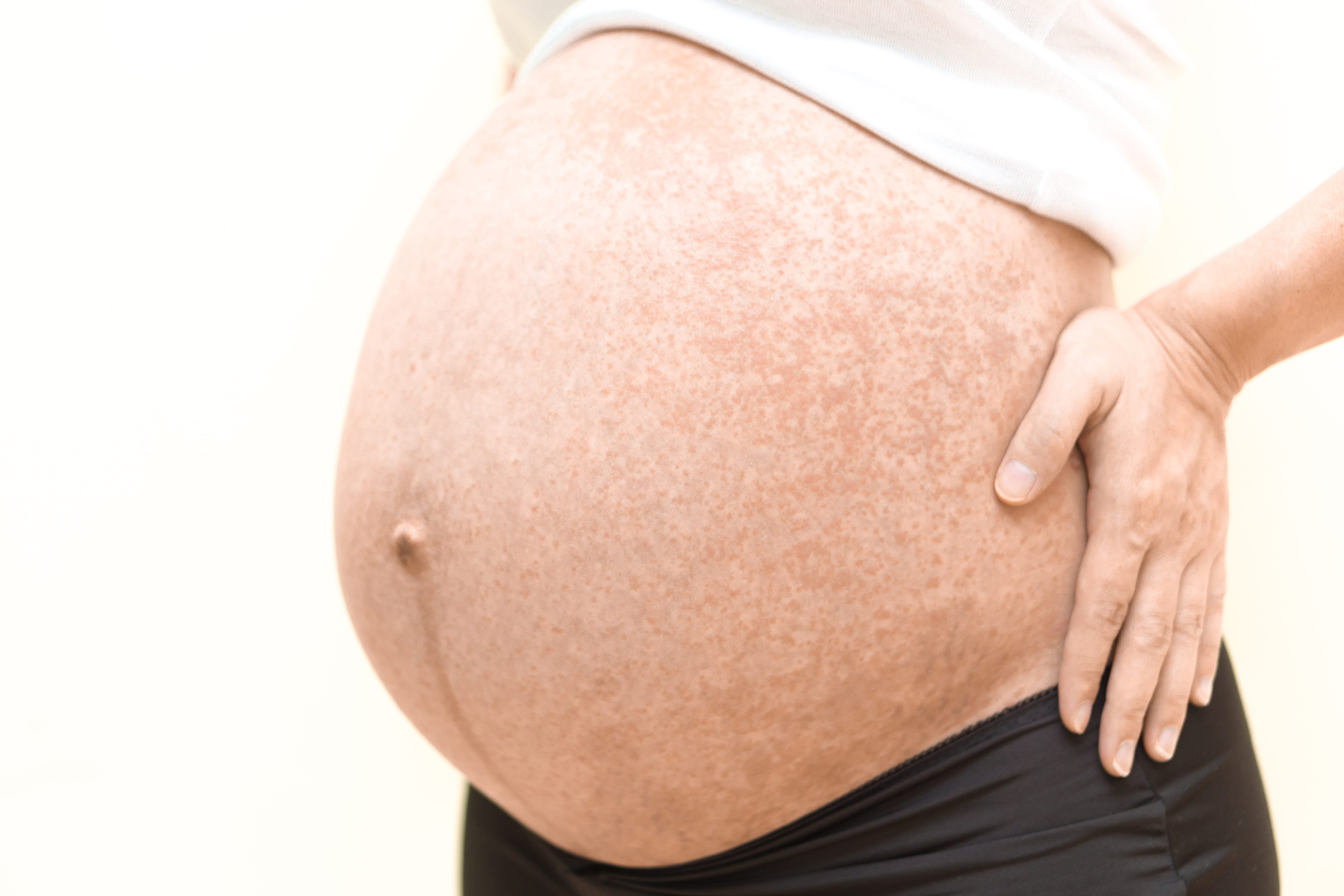
Lifestyle effects include frequent self-checks, emergency calls to healthcare providers, and repeated online research about symptoms.
The persistent focus on bodily sensations can disrupt routines, rest, and emotional stability. The constant tension also makes it difficult to enjoy moments of normalcy, as anxiety amplifies fears about the health of both mother and baby. Daily life becomes a series of stress points, where comfort and relaxation are rarely achieved.
Difficulty Making Decisions
Anxiety can make even simple decisions feel overwhelming, as women fear making the wrong choice about nutrition, activity, or medical care. Indecision consumes time and mental energy, making daily routines more complicated. Lifestyle impacts include procrastination, reliance on others for guidance, and persistent self-doubt.
This difficulty with decision-making can heighten dependence and reduce confidence in managing pregnancy needs independently. Over time, this constant mental struggle erodes autonomy and increases frustration, making everyday tasks more exhausting and stressful. Women may feel trapped between fear and necessity, with anxiety dictating actions rather than personal choice.
Emotional Exhaustion Affects Relationships
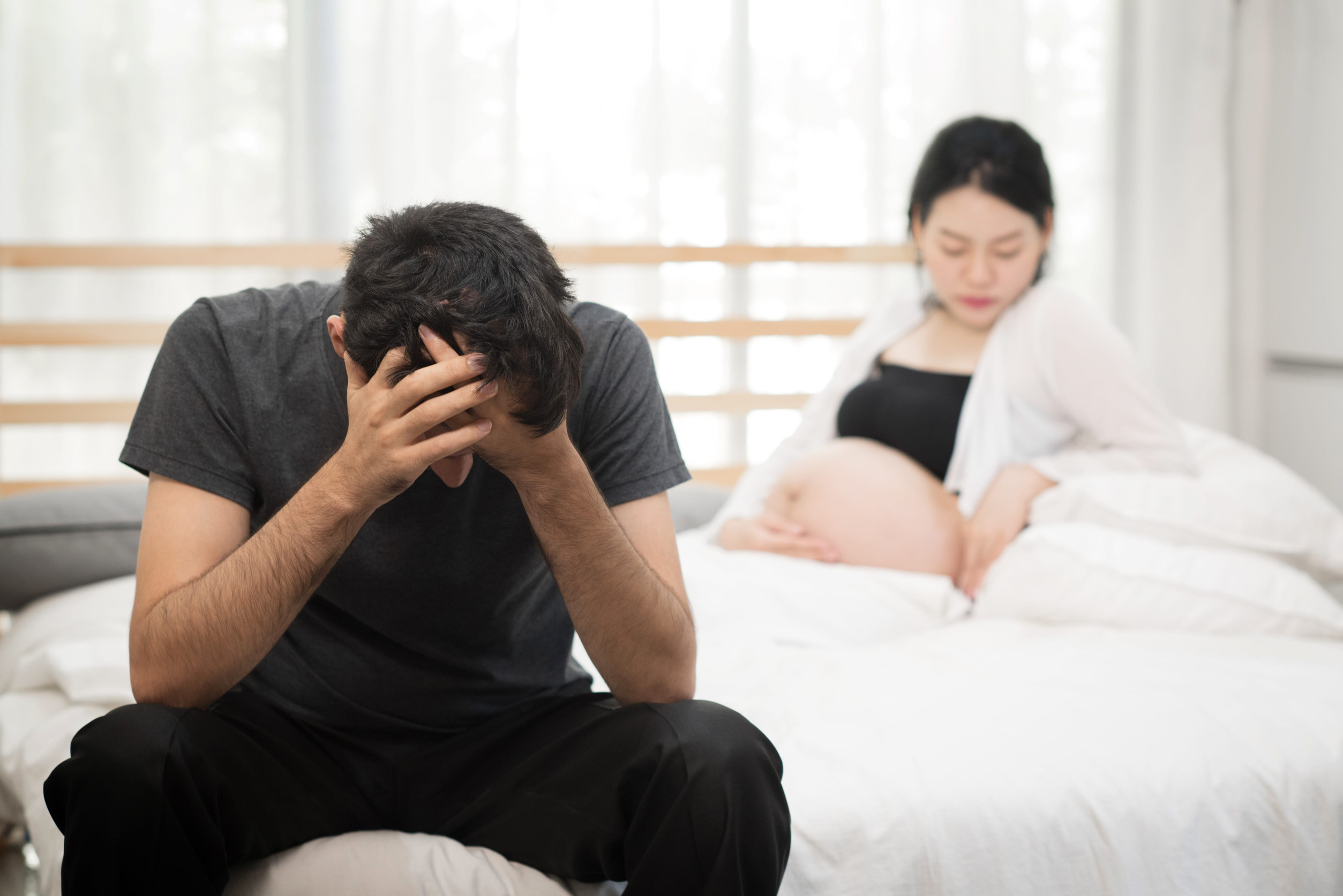
Lifestyle consequences include conflict, withdrawal, and a lack of shared enjoyment in daily life.
Emotional energy is directed toward managing fears rather than nurturing relationships, which can strain support systems or make them feel insufficient. This exhaustion creates a feedback loop in which isolation, tension, and worry reinforce one another. Over time, daily life feels dominated by emotional labor, leaving women depleted and less able to enjoy pregnancy milestones.
Conclusion
Anxiety during high-risk pregnancy quietly infiltrates sleep, nutrition, physical comfort, social life, and emotional health. From hypervigilance and emotional exhaustion to difficulty making decisions and social isolation, these consequences shape lifestyle in ways that are often unseen but deeply felt.