

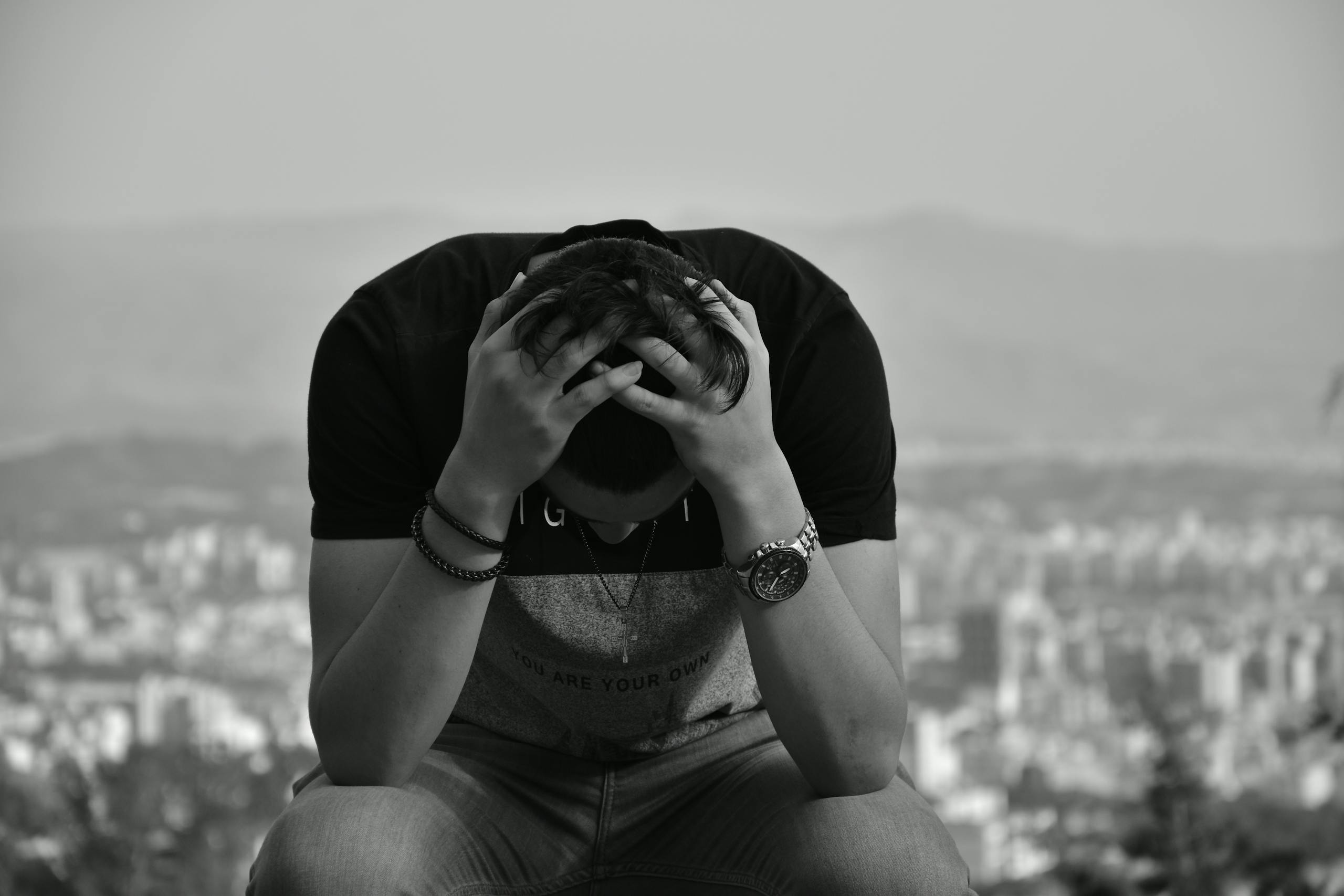
The “soft life” promised effortless comfort, Instagram-perfect mornings, and endless self-care, but behind the curated images, reality is collapsing. Bills pile up, work stress looms, and keeping up appearances has become a pressure cooker few can survive.
What looked like a dream of peace is quietly turning into frustration, financial strain, and burnout for thousands chasing a lifestyle that was never real. The soft life isn’t soft, it’s a trap, and the truth behind it is far more brutal than anyone admits.
The Dream Got Too Expensive
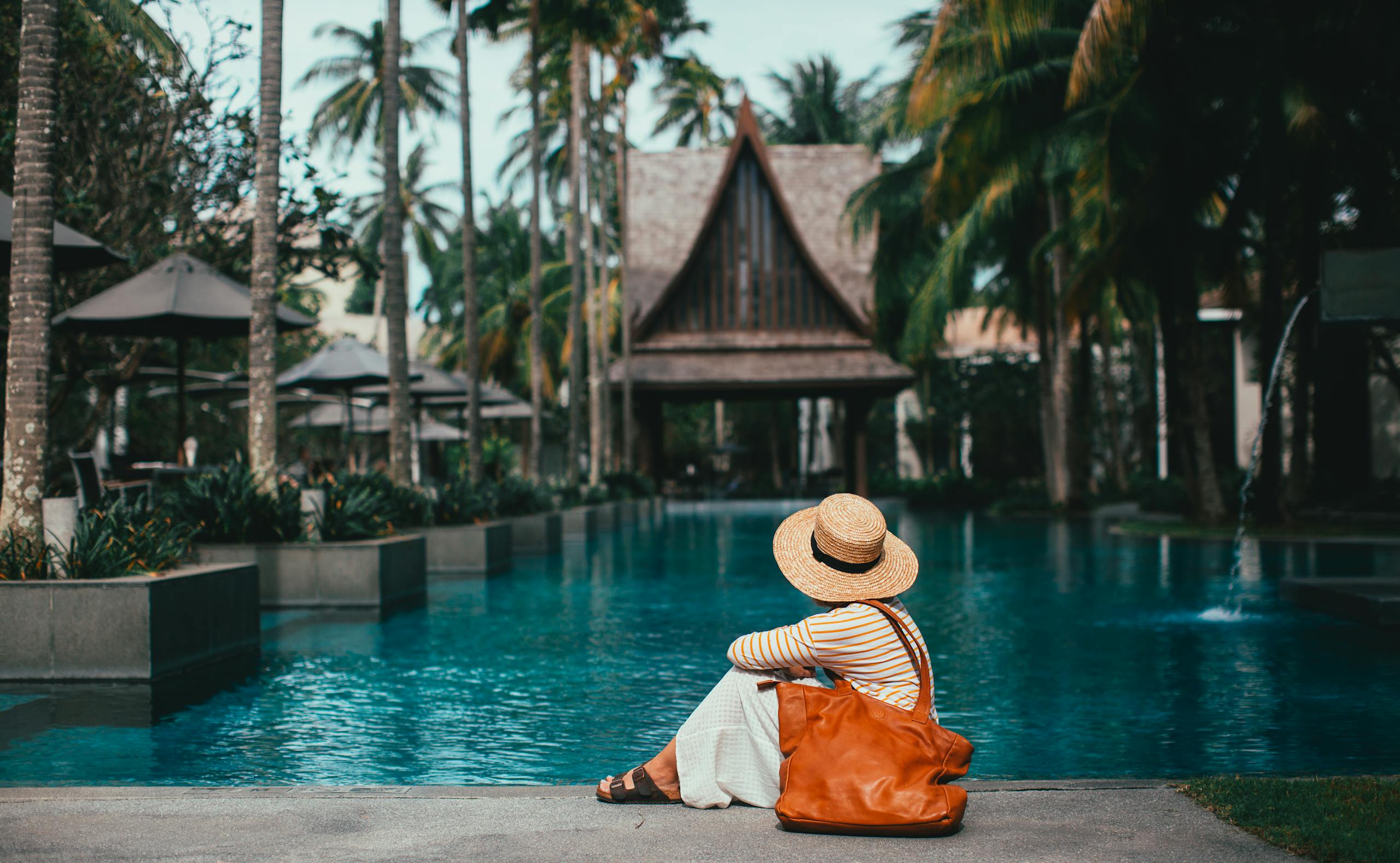
The first truth is simple: living the soft life costs more than it looks. What started as a few small comforts, candles, quality coffee, or a quiet morning, quickly escalated into a full-blown lifestyle.
Brunches, boutique fitness classes, weekend getaways, and fancy loungewear turned relaxation into a recurring bill. For many, the dream of effortless peace became a cycle of spending to keep up appearances.
Once people realized that indulgent comfort wasn’t free, the trend started losing its shine. A “soft morning” that looks effortless online might actually require careful budgeting, juggling bills, and sacrificing other essentials.
For those without disposable income, the pressure to maintain this lifestyle quickly turns stress into guilt.
Social Media Turned Peace into Performance
What started as a lifestyle trend became a content trend. The soft life was supposed to be about calm, but social media made it a competition.
Posts, reels, and stories turned rest into another task: arrange the shot, light the candle, pour the coffee, and get the right angle.
People began chasing likes and validation rather than genuine calm. The “soft life aesthetic” became a pressure cooker, leaving many exhausted from trying to prove they were living it correctly.
Calm lost its purpose and became something performative, turning stress into another metric to measure.
Saving Got Soft, Emergencies Stayed Hard
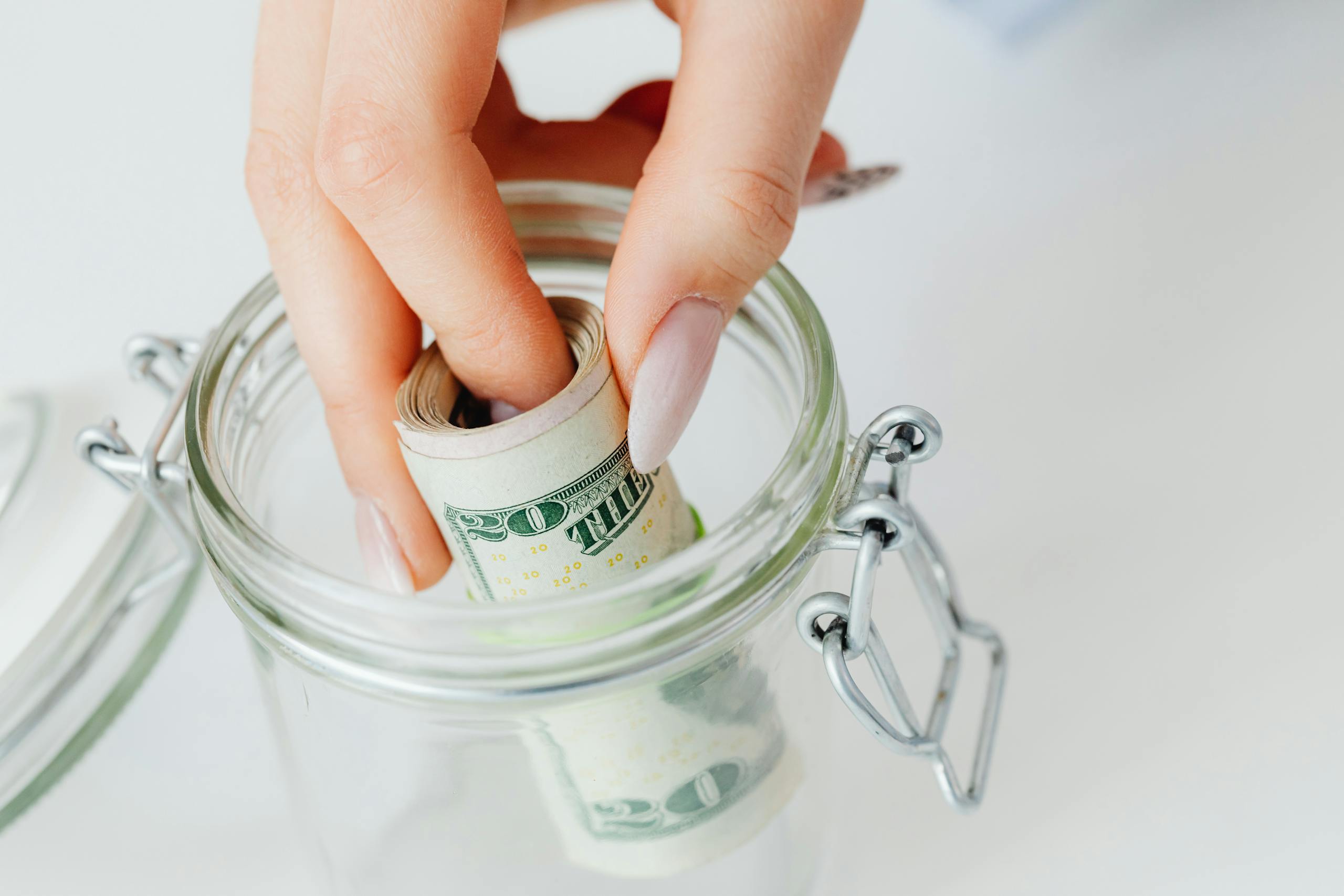
Another brutal truth is that chasing the soft life often conflicted with real financial responsibilities. Soft saving, a casual approach to budgeting focused on present enjoyment, might feel freeing, but life doesn’t pause for Instagram aesthetics. Bills, rent, unexpected car repairs, and medical emergencies still happen.
Ignoring these realities in favor of daily indulgences exposes a flaw in the trend. Peace without a safety net is fragile. Those who relied on luxury or curated comfort found themselves unprepared when real life hit.
True softness comes from balance, not escapism. It’s about enjoying life while having a plan for emergencies. Without savings or financial boundaries, the soft life quickly becomes a stress trap instead of a refuge.
Hustle Culture Returned Anyway
The fourth truth: hustle culture never fully disappeared. The soft life suggested stepping away from constant grind and stress. Yet in reality, most people still need income to survive. Rent, loans, and rising costs make effortless living often impossible.
Soft life advocates often imagined minimal work and maximum relaxation, but the economy forces a middle ground. The harsh reality is that most adults have to balance ambition, income, and responsibilities, regardless of the lifestyle they want.
The Trend Ignored Class Realities
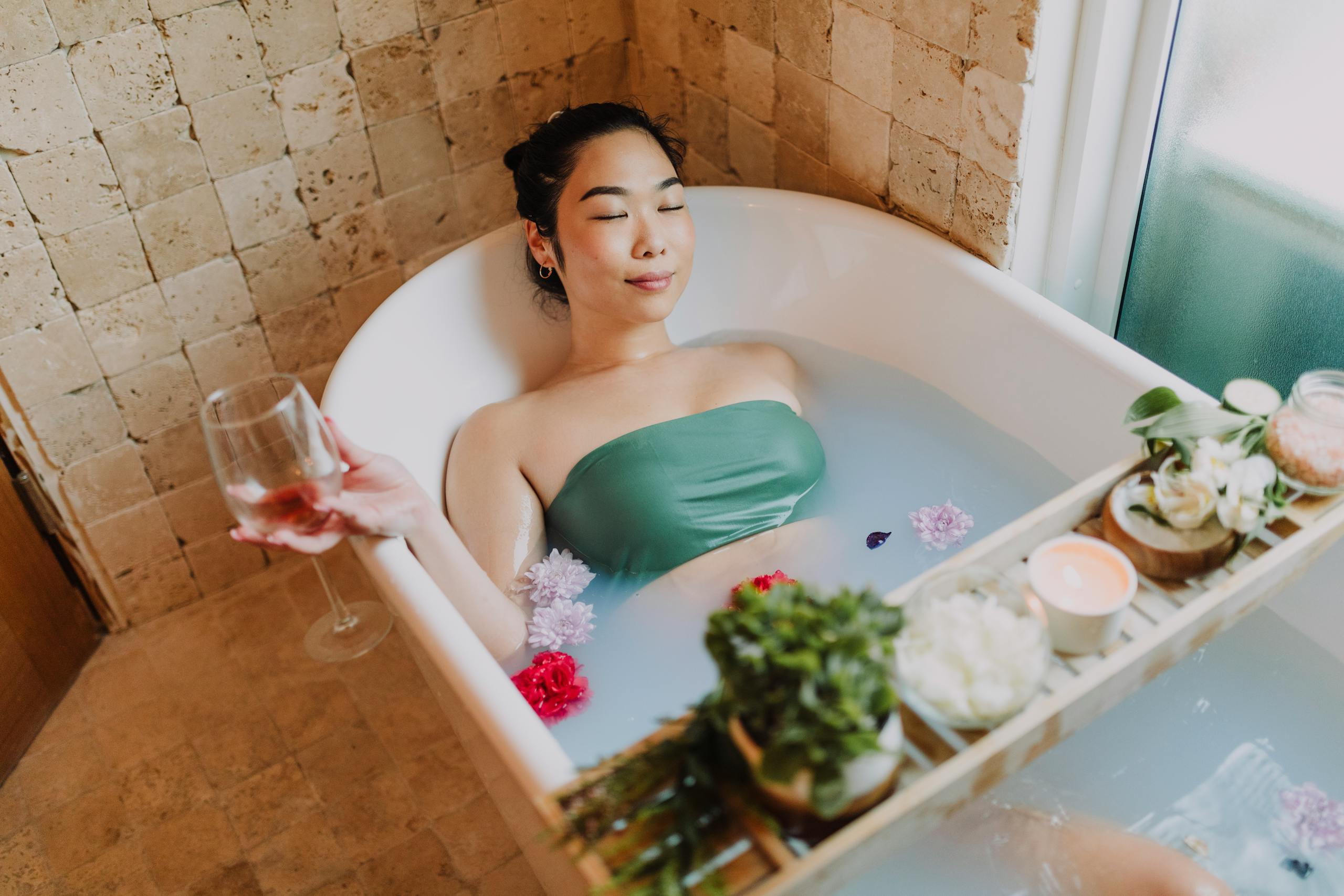
Soft life advice often assumes everyone has equal access to comfort. It ignored that peace can be a privilege. Not everyone can afford spa days, boutique coffee, or luxury weekends.
Many struggle with basic financial and social pressures that render the Instagram version of soft living irrelevant. Privilege shaped the trend’s perception, making it feel aspirational for some and unattainable for others.
The pressure to participate in the aesthetic version of calm inadvertently excluded those without resources.
Real Soft Life is More Honest
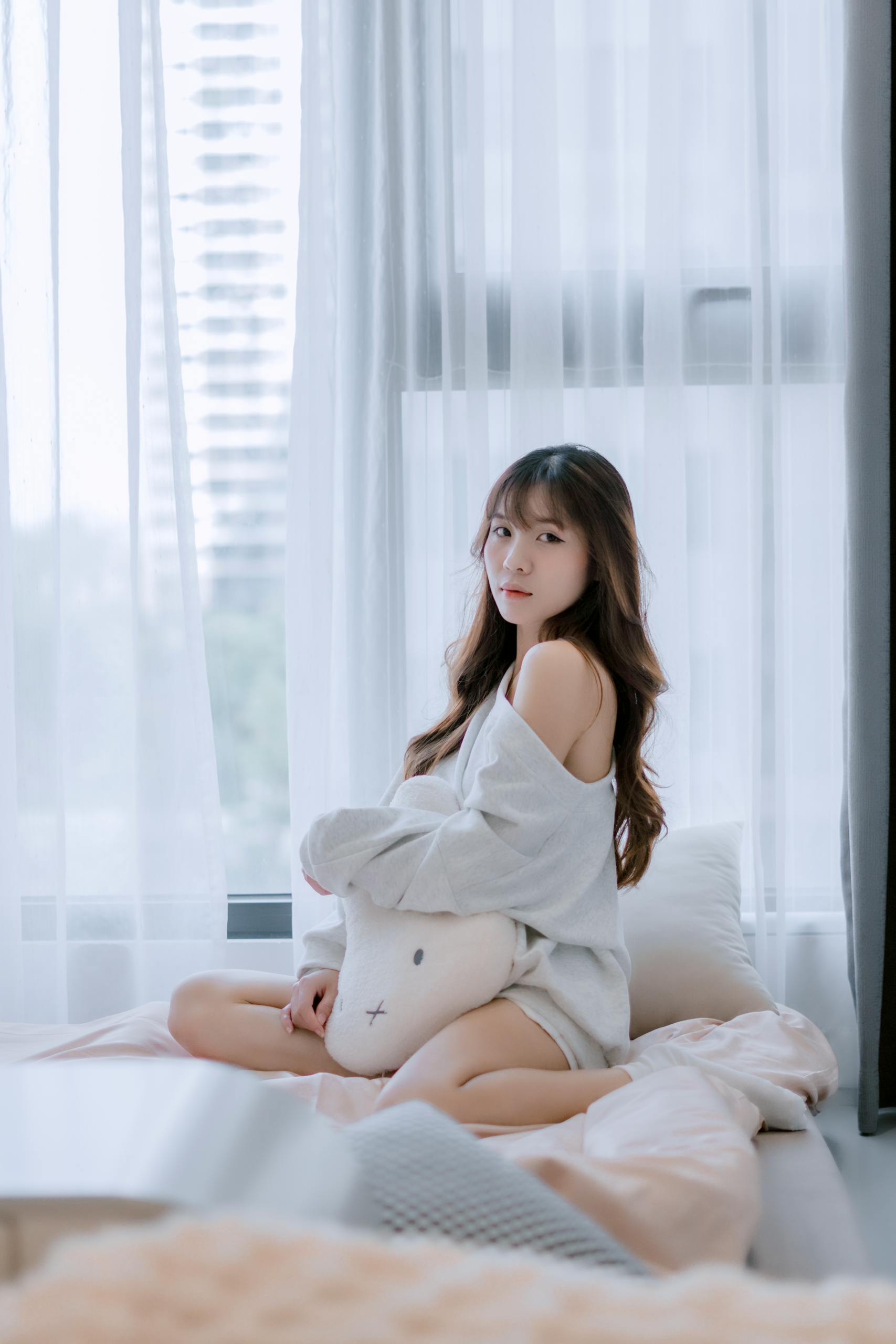
The final truth is that soft life isn’t disappearing; it’s evolving. People still crave peace, but they now recognize that fantasy softness is unsustainable.
Real comfort requires honesty: about finances, time, energy, and personal limits. The better version focuses on boundaries, planning, and manageable self-care. It values private peace over performative aesthetics, prioritizes stability over fleeting luxury, and balances enjoyment with responsibility.
Conclusion
The soft life trend promised peace but delivered performative stress for many. Rising costs, social pressures, financial realities, and ongoing responsibilities revealed its limits. Yet the core desire, calm, rest, and meaningful living, remains.
The future of softness is grounded, private, and honest. It’s about balance, planning, and intentional self-care, not appearances or spending.
Real soft life prioritizes mental freedom, financial stability, and manageable routines over Instagram aesthetics. In the end, peace is not about luxury; it’s about living intentionally.


