


As global trade dynamics evolve and tariffs rise, American consumers may soon feel the sting of price hikes on common items. While the immediate effects of tariffs may seem distant, they have a ripple effect on the economy, affecting the cost of everyday goods. For the average American household, the impact of tariff-driven price increases could become a growing concern, affecting everything from groceries to electronics.
Let’s take a closer look at some of the most commonly purchased items that could become financially out of reach as tariffs continue to surge.
Electronics
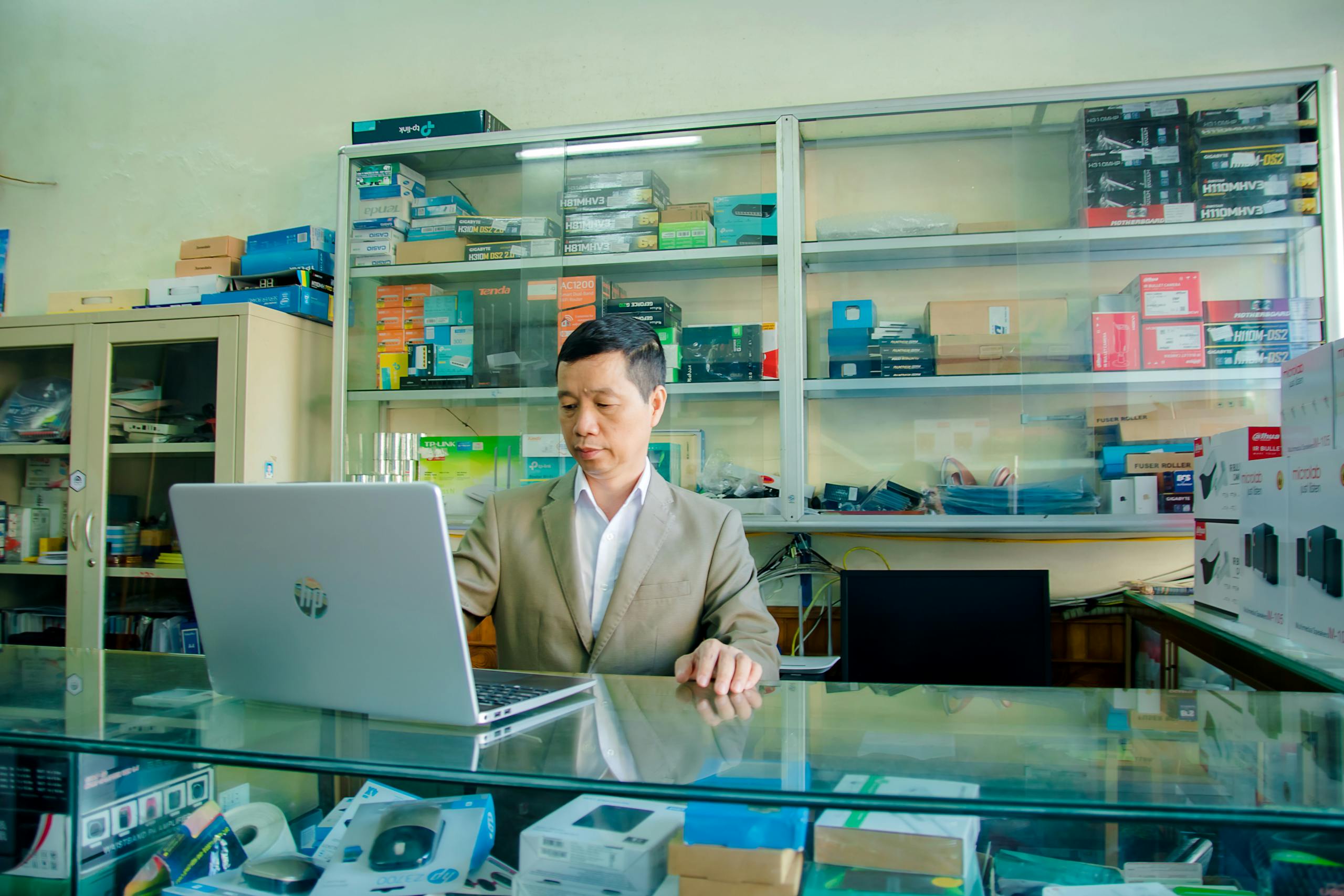
The tech industry is often at the center of tariff battles. Many of the world’s most popular electronics, smartphones, laptops, and tablets, are manufactured overseas, particularly in countries like China. With the rise in tariffs on these goods, consumers may soon pay significantly more for their gadgets.
The tariffs don’t just affect high-end items like the latest iPhone or MacBook; even mid-range and budget options could see price increases as companies adjust to rising import costs. For families already feeling the strain of inflation, this could mean less money for other necessities or the postponement of needed technology purchases.
Automobiles
The automobile industry is particularly vulnerable to tariffs, especially regarding the cost of imported cars and auto parts. While the U.S. has a strong domestic car manufacturing sector, many components still rely on international supply chains. With tariffs on steel, aluminum, and other essential materials, manufacturers may face higher production costs, which will ultimately be passed on to consumers in the form of higher car prices.
Clothing and Apparel
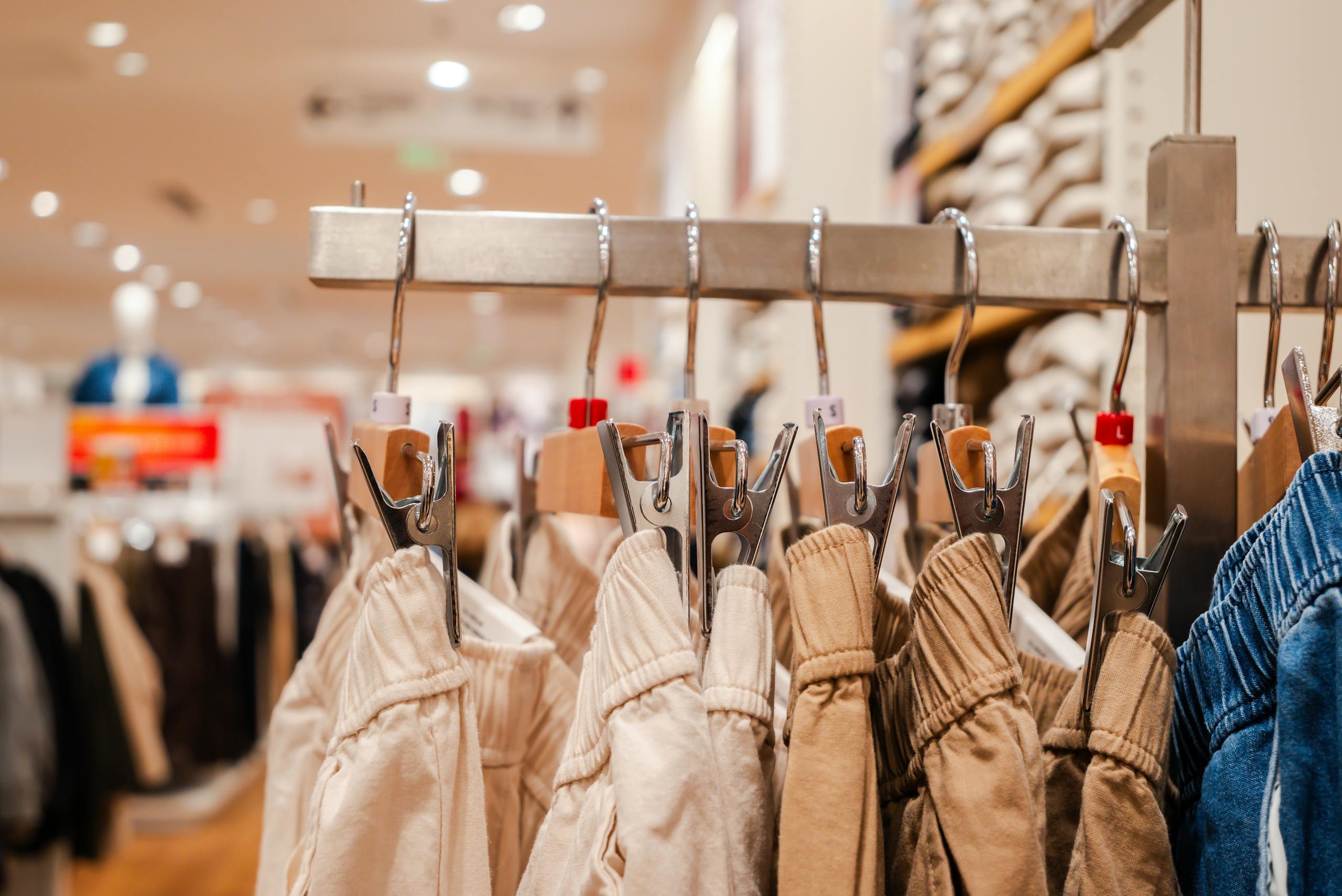
America’s fashion industry relies heavily on imports, with many major clothing brands sourcing their products from overseas manufacturers in countries such as China, Bangladesh, and Vietnam. Tariffs on these imports have already begun pushing up the prices of popular brands. With higher duties on fabrics, labor, and shipping, Americans could soon face steep price increases on everyday clothing.
A quick look at the numbers shows that clothing prices have been steadily rising for years, and the latest round of tariffs could amplify this trend. From shirts and pants to shoes and outerwear, almost every item could become more expensive.
For families on tight budgets, clothing purchases may need to be scaled back or postponed, leaving fewer options for stylish and affordable attire. Consumers may also turn to second-hand stores more often, potentially driving a surge in demand and higher prices for pre-owned goods.
Toys and Sporting Goods
As Americans prepare for the holiday season, many families may be shocked to discover that the price of toys and sporting goods has increased significantly due to rising tariffs. Popular toys, video games, and sports equipment are often imported from overseas, and the added duties could make them less affordable for parents hoping to buy gifts for their children.
Groceries

It’s not just non-durable goods that will see price increases; basic food items are also expected to become more expensive. Meat products, especially beef and pork, are often imported from countries such as Canada and Australia, and tariffs on them could significantly raise costs. With Americans already grappling with higher food prices amid ongoing inflation, this could add further strain to already stretched grocery budgets.
Fresh produce could also become more expensive as tariffs affect not only the products themselves but also the cost of shipping and farming equipment. For instance, fruits and vegetables from South America and Mexico could face higher duties, ultimately resulting in price hikes at the local grocery store.
As the cost of these essential items climbs, families may struggle to keep their grocery bills in check, forcing them to seek lower-cost alternatives or reduce their overall consumption of fresh food.
Appliances
Household appliances like refrigerators, washing machines, and dryers are another category that could see price increases due to tariffs. Many of the world’s leading appliance brands, including Whirlpool and LG, source parts and components from overseas. Tariffs on imported raw materials and finished products could make these everyday essentials more expensive for Americans.
For families who rely on large appliances to run their households efficiently, this could be a tough pill to swallow. Higher costs for items like refrigerators, dishwashers, and stoves could delay necessary upgrades or repairs, leading to longer lifespans for older, less energy-efficient appliances that are potentially more prone to breaking down.
In some cases, consumers may have to rely on used appliances or delay purchases altogether, which could lead to greater frustration and inconvenience in the long run.
Furniture and Home Goods

In addition to the clothing industry, home goods and furniture are another area that could see a surge in costs due to tariffs. Many of the items we use to furnish our homes, from sofas and coffee tables to lamps and rugs, are manufactured abroad. Tariffs on these items could raise the cost of new furniture, particularly for households trying to furnish on a budget.
Building Materials
Finally, tariffs on building materials, including lumber and steel, could significantly impact homeowners and construction companies. As the cost of these materials rises, so does the price of new homes and renovations. This could present a major obstacle for families looking to build their dream home or even complete a much-needed remodel.
For those in the construction industry, the higher cost of raw materials could also lead to higher labor costs, as workers are forced to navigate a more expensive landscape. The overall affordability of homeownership could be reduced, particularly for first-time buyers or those living in areas where home prices have already been rising due to demand.
As prices surge, fewer people may be able to afford major home improvement projects, and the dream of homeownership could slip further out of reach for many.
Key Takeaway
As tariffs continue to surge, American families could face significant struggles to afford a range of essential items. Whether it’s electronics, clothing, or household goods, the impact of these price increases is likely to be felt by those already managing tight budgets. With some goods becoming prohibitively expensive, consumers may be forced to adjust their spending habits, seek alternative products, or delay necessary purchases altogether.
The challenge lies in how the American economy adapts to these changes and what steps can be taken to minimize the burden on households across the nation. How can the U.S. economy balance tariff policies with the needs of everyday consumers?
Read the original Crafting Your Home.


