

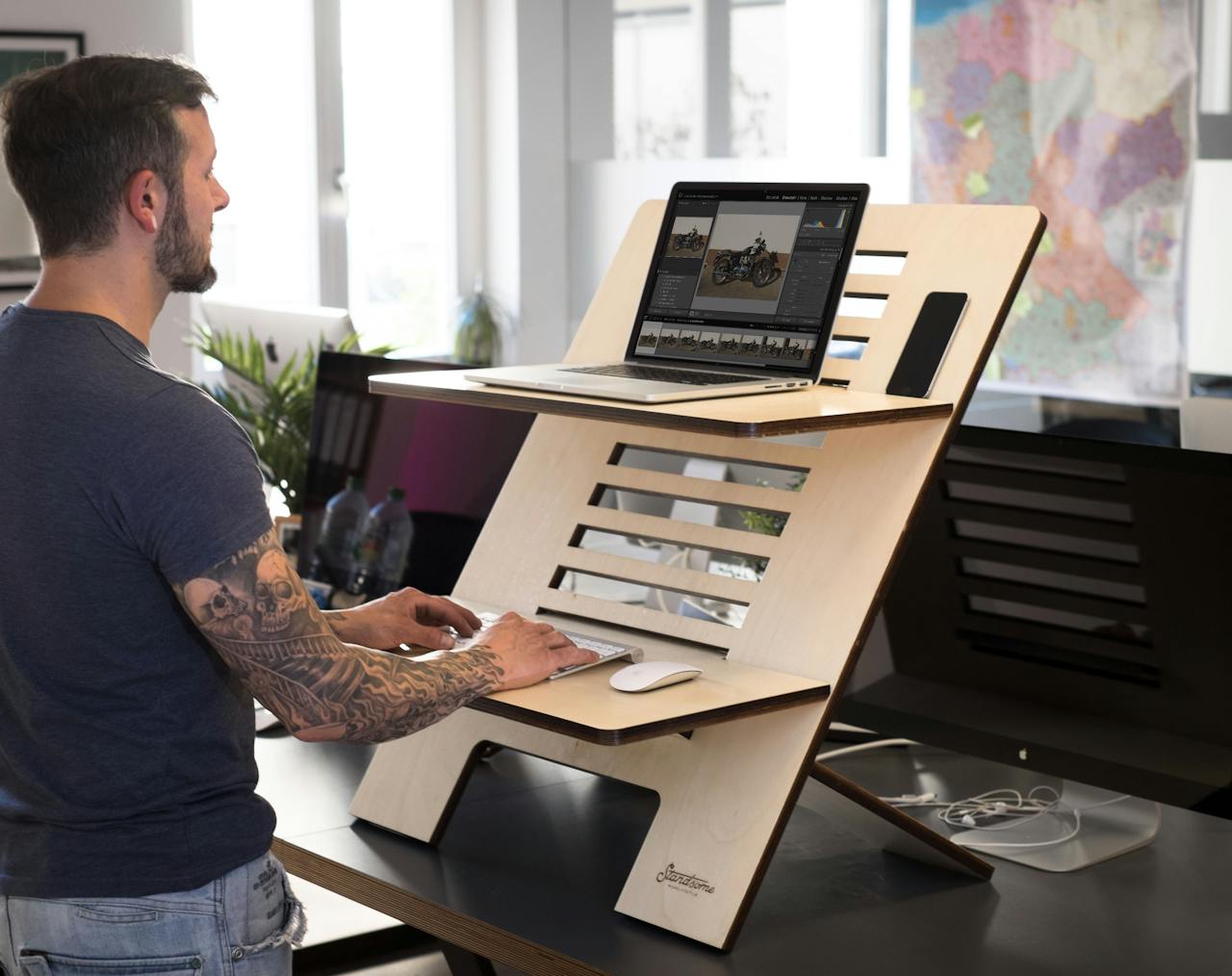
Standing desks are often hailed as a solution to the sedentary lifestyle that plagues modern workers. The idea of standing while working sounds like a step in the right direction for better health, but many unknowingly make mistakes that could do more harm than good. While standing desks can be beneficial, improper use can lead to issues like poor posture, fatigue, and long-term pain.
Let’s take a look at the 8 most common mistakes people make at their standing desks and how to avoid them.
Standing Too Long Without Movement
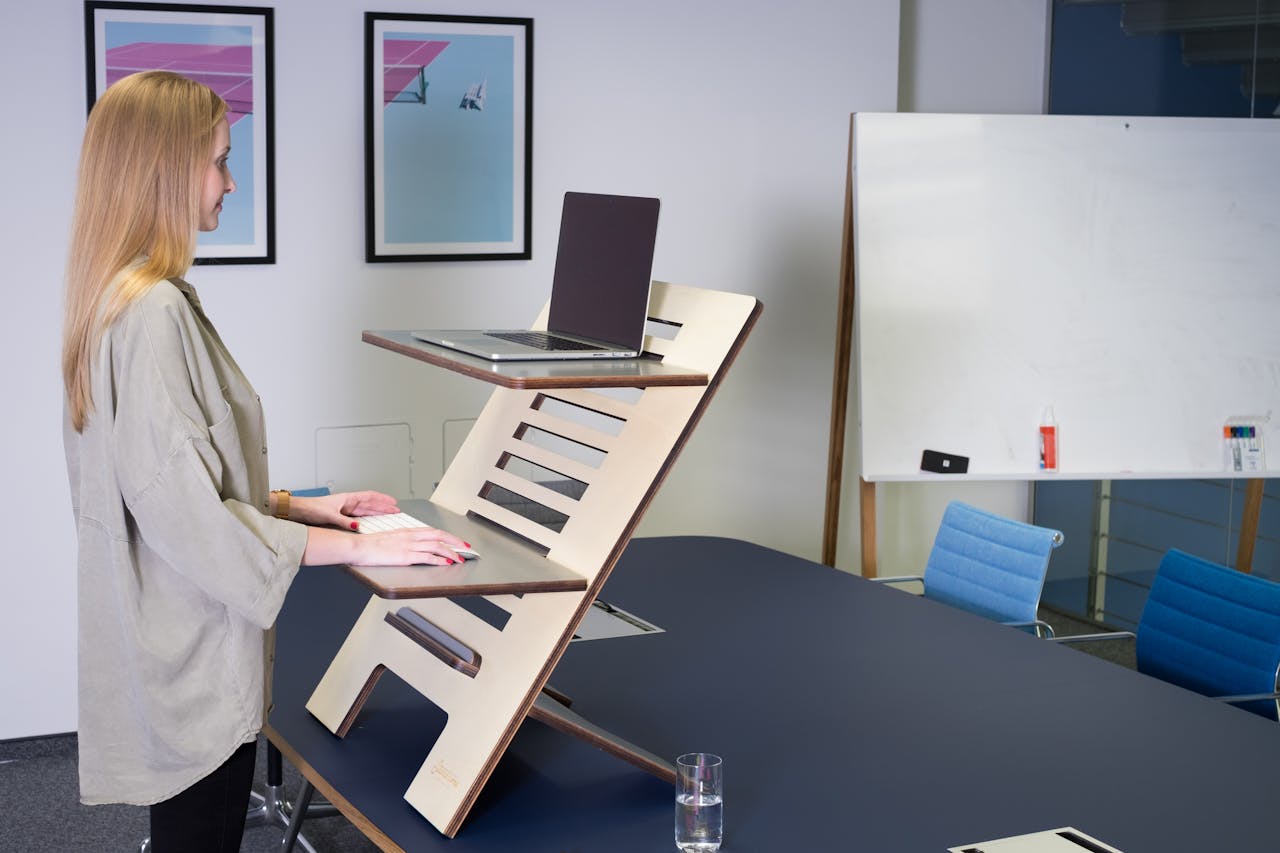
One of the biggest mistakes people make is standing for long periods without taking breaks or moving around. Just because you have a standing desk doesn’t mean you should stay rooted to one spot for hours. Prolonged standing can lead to poor circulation, muscle fatigue, and increased pressure on your spine.
Poor Desk Height and Setup
Another alarming mistake is setting your desk at the wrong height, which can strain your body. If your standing desk is too high or too low, it forces you to bend your wrists or slouch forward, putting unnecessary stress on your neck, back, and shoulders. The discomfort caused by an improper desk height can accumulate over time, leading to chronic pain.
Wearing Inappropriate Footwear

A mistake many people overlook is wearing the wrong footwear when standing for long periods. Hard shoes or high heels can contribute to foot pain, poor posture, and even long-term joint damage. Without proper arch support, standing for hours becomes painful and unsustainable.
Not Using Anti-Fatigue Mats
Speaking of comfort, many people neglect to use anti-fatigue mats when standing at their desks. These mats provide cushioning that can reduce strain on your feet and legs, making long periods of standing more comfortable. Without this added support, you may experience aching feet, sore calves, and fatigue much faster.
Failing to Monitor Your Posture
Another common mistake at standing desks is neglecting your posture. While standing may seem natural, poor posture can quickly develop, leading to back pain, shoulder discomfort, and neck strain. People often slouch or lean forward when standing, especially when focused on their work, without realizing the toll it takes on their bodies.
Not Taking Proper Breaks
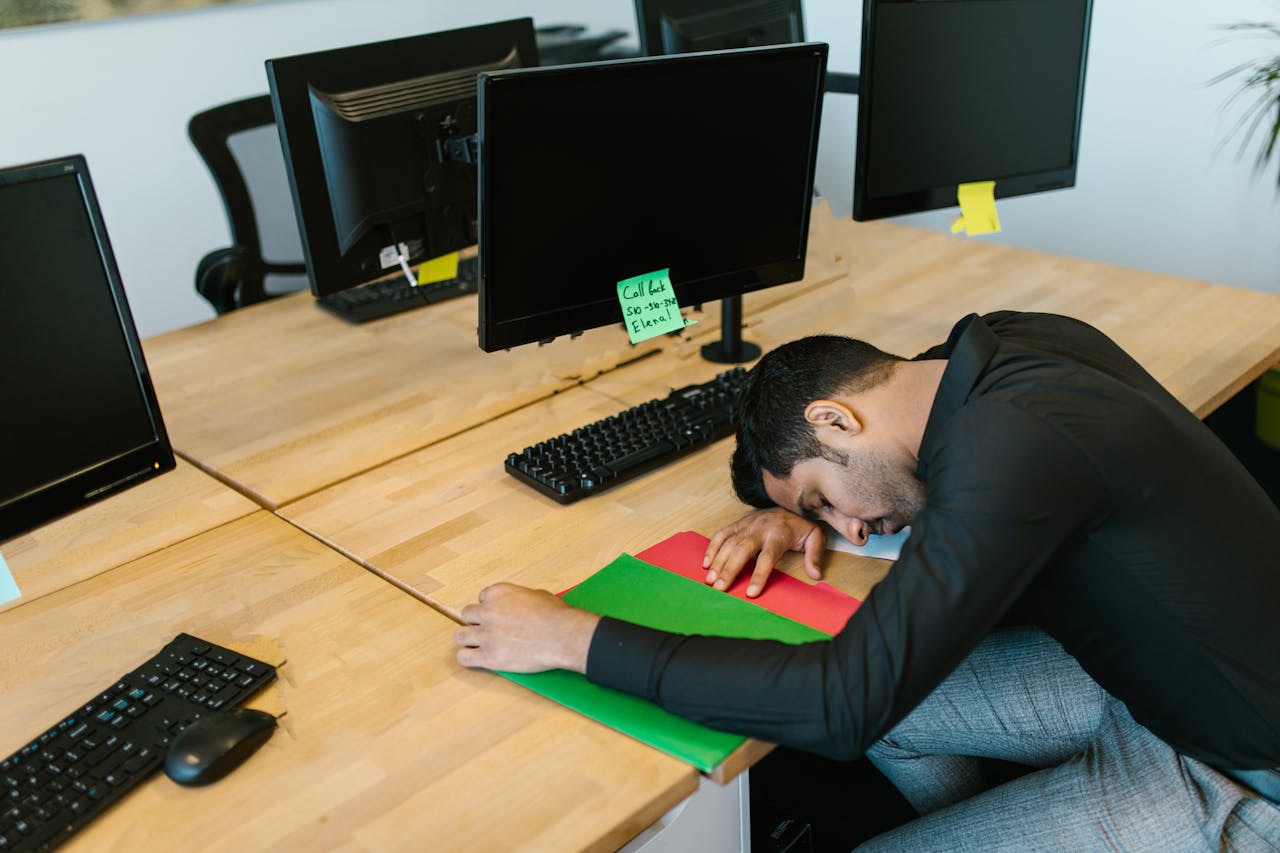
Even though standing desks promote movement, many people still forget to take regular breaks away from the desk. Staring at a screen or focusing on tasks for hours on end can cause eye strain, mental fatigue, and physical discomfort. Without scheduled breaks, you’re more likely to fall into bad habits, such as slouching or becoming stiff from standing too long.
Not Adjusting for Individual Needs
Everyone’s body is different, and what works for one person may not work for another. Many people fail to customize their standing desks to their unique needs, whether by adjusting the height, adding extra support, or incorporating ergonomic accessories. A one-size-fits-all approach doesn’t always lead to the best results.
Ignoring the Importance of Sitting
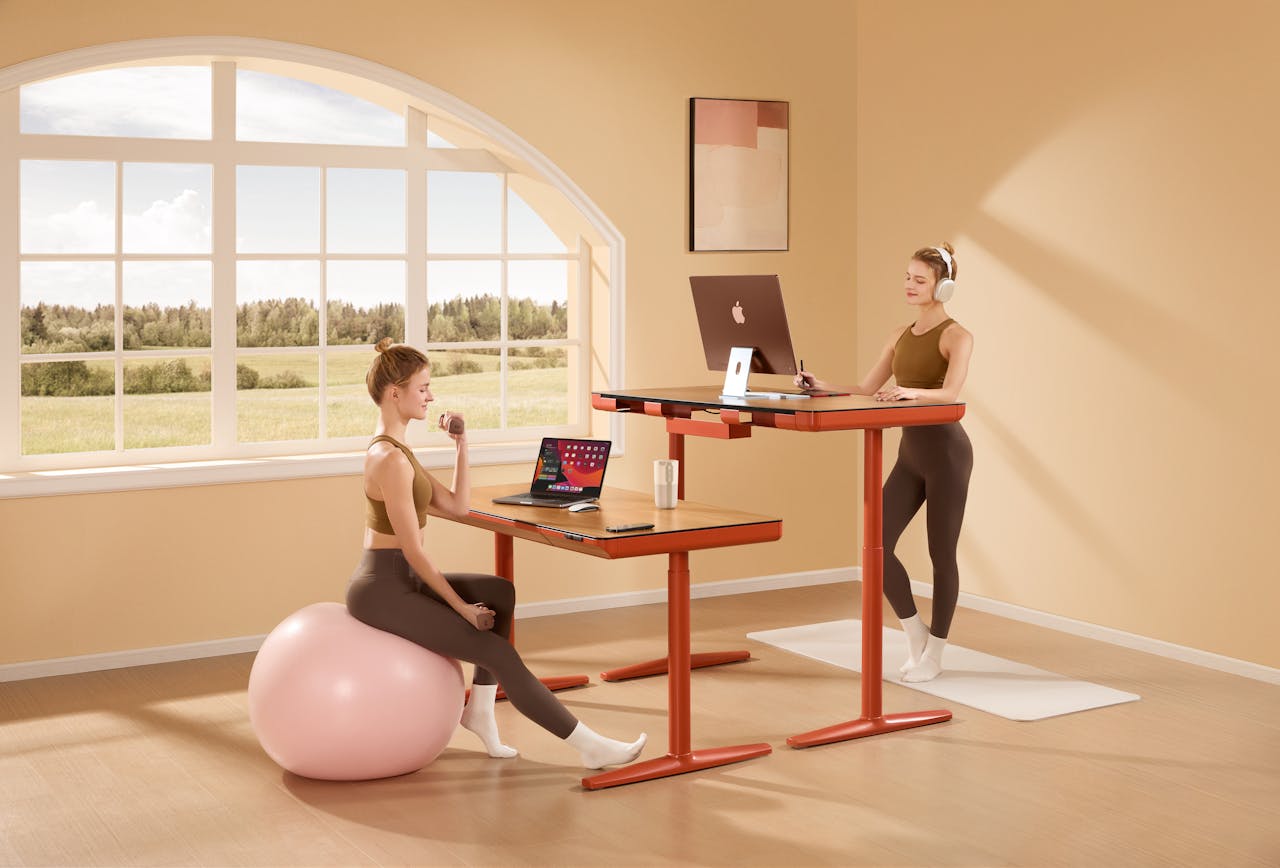
While standing desks can offer benefits, sitting for extended periods is still problematic, and eliminating sitting can be just as harmful. Many people believe that switching entirely to standing will solve all their health problems, but this approach overlooks that sitting also offers important opportunities for rest and muscle recovery. Prolonged standing without sitting breaks can lead to joint stress, fatigue, and poor circulation.
Balance Is Key
While standing desks can be a great tool for improving your health and reducing the risks of a sedentary lifestyle, it’s important to use them correctly. From adjusting your desk height to taking regular breaks and being mindful of your posture, the way you use your standing desk matters.
By avoiding these common mistakes and creating a setup that supports your body, you can make the most out of your standing desk and improve your overall health. Remember, balance and consistency are essential to reaping the benefits of a standing desk without risking your body.
Read The Original Crafting Your Home


