


As the world slowly recovers from the pandemic, many of us are left grappling with the invisible toll it has taken on our mental health. While the immediate crisis may be over, the anxiety it left behind lingers, affecting everything from social interactions to our daily routines.
Post-pandemic anxiety is not just about fears of illness but a deep-rooted mental shift that can still have a profound impact on our lives. From feeling overwhelmed by the simplest tasks to struggling with emotional exhaustion, the signs of this lingering anxiety are often subtle but significant.
Let’s explore eight signs that post-pandemic anxiety might be quietly affecting your lifestyle and mental well-being, and how it’s more important than ever to pay attention to these signals.
Social Fatigue and Fear of Reconnection

The pandemic forced many of us into isolation, and now that we are slowly reentering social settings, the anxiety of reconnecting can feel overwhelming. You might find yourself exhausted after social interactions that once felt easy, or dreading plans you once enjoyed. The mental strain of re-establishing connections in a world that feels unfamiliar can trigger social fatigue and lead to anxiety about being around others.
Losing Touch with Routine and Stability
One of the most noticeable effects of the pandemic was the disruption of daily routines. The world slowed down, and many of us adjusted to new ways of living, often with a more relaxed pace. However, as the world returns to normal, the anxiety of resuming a more structured lifestyle can feel unsettling.
Fear of the Unknown
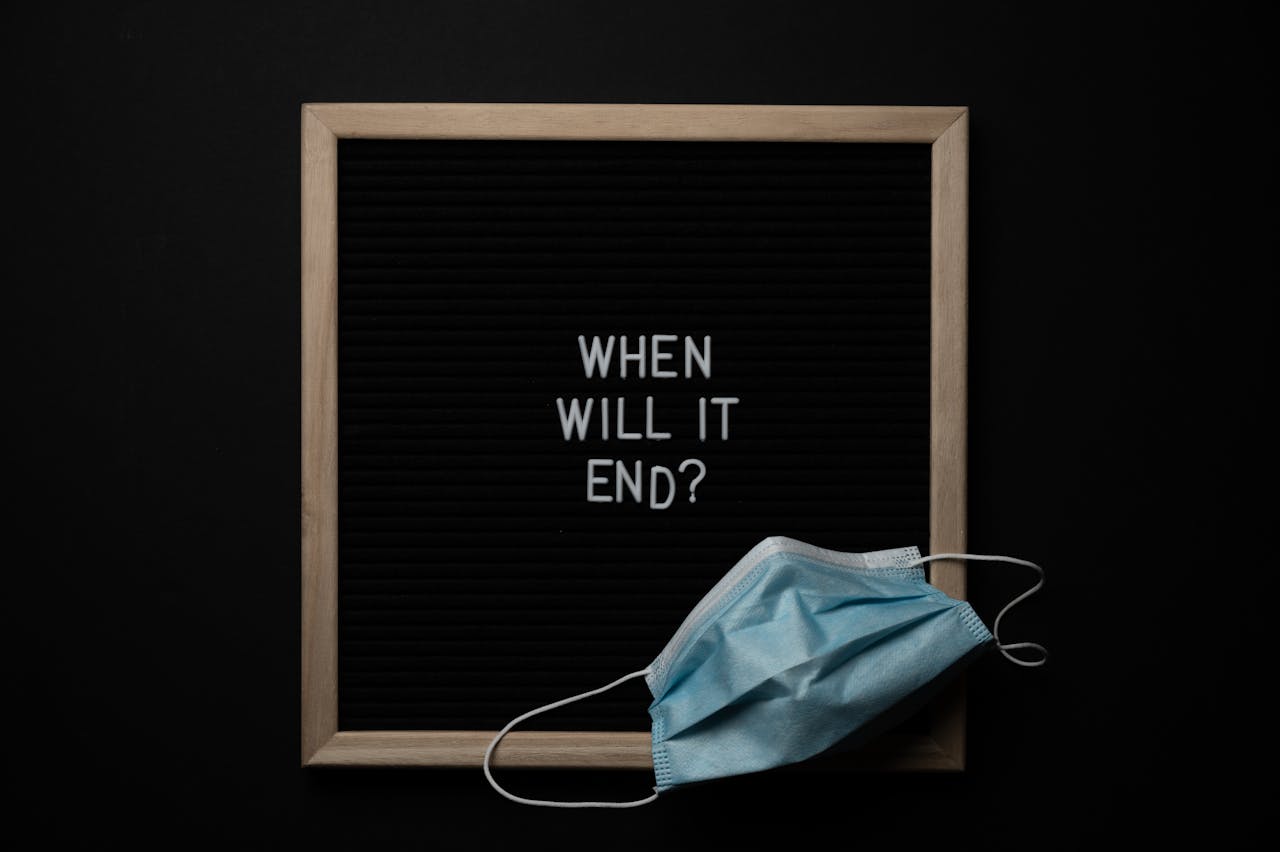
While the pandemic brought many fears to the forefront, the fear of what lies ahead can still be paralyzing. Post-pandemic anxiety often stems from an increased sense of uncertainty about the future. Whether it’s the fear of another crisis, job instability, or health concerns, the constant worry about what could happen next can feel all-consuming.
Emotional Exhaustion and Burnout
If you’ve been feeling emotionally drained with little motivation to get through your day, post-pandemic anxiety could be playing a big part. The stress and emotional weight of living through a global crisis have left many feeling mentally exhausted. This emotional exhaustion is often mistaken for burnout, but it can also stem from ongoing anxiety, which makes it harder to recharge and feel energized.
Inability to Fully Enjoy Simple Pleasures

Another subtle sign of post-pandemic anxiety is the difficulty in enjoying things that once brought joy. Whether it’s a hobby, spending time with loved ones, or simply relaxing, you may find that your enjoyment of these activities has waned. Anxiety has a way of stealing the pleasure from everyday moments, leaving you feeling detached or disconnected.
Difficulty Trusting the Present
The pandemic made many people question their sense of security and trust in the world around them. This distrust can carry over into post-pandemic life, leading to a constant feeling of unease. You might find yourself second-guessing decisions or doubting the reliability of people and situations that once felt trustworthy.
Increased Sensitivity to Stress
Post-pandemic anxiety can cause you to become more sensitive to stress than you were before. The pressures of adjusting to a post-pandemic world can trigger heightened stress responses, even to things that wouldn’t have fazed you in the past. This sensitivity can make it harder to manage day-to-day challenges, leaving you feeling overwhelmed more easily.
Struggling with Decision-Making

The decision-making process can feel particularly taxing post-pandemic, as anxiety clouds your ability to make clear, confident choices. The pandemic forced many of us into situations where decisions had to be made quickly, but now, the lingering anxiety makes even small decisions feel overwhelming. You might second-guess yourself more than usual or find yourself paralyzed by the fear of making the wrong choice.
Conclusion
Post-pandemic anxiety is an invisible struggle that many of us are still facing, even if it isn’t always obvious. From emotional exhaustion and fear of the unknown to difficulty reconnecting socially, the lingering effects of the pandemic can significantly impact our mental well-being. Recognizing the signs of post-pandemic anxiety is the first step toward addressing it and taking control of your mental health.


