


Stress is often seen as just a part of life, but its effects on female fertility can be much more profound than most realize. While we know stress can impact our mental health, many are unaware that it can also hinder the ability to conceive. As modern life becomes increasingly fast-paced and demanding, stress levels are on the rise, and unfortunately, this can be a significant obstacle for women trying to start a family.
Below, we uncover eight hidden ways stress can silently damage female fertility and prevent you from realizing your dreams of becoming a mother.
Hormonal Imbalance

Hormones are the body’s natural messengers, regulating everything from mood to metabolism. When stress hits, it triggers the body’s fight-or-flight response, releasing the hormone cortisol. In small doses, cortisol is fine, but chronic stress keeps cortisol levels elevated, disrupting the balance of other crucial reproductive hormones like estrogen and progesterone.
This hormonal imbalance can make it difficult for a woman’s body to conceive, as these hormones are vital in regulating ovulation and the menstrual cycle. The imbalance could lead to irregular periods, making it harder to track ovulation or predict fertile windows.
Impaired Blood Flow to the Reproductive Organs
Stress doesn’t just affect hormone levels; it also alters how blood flows through the body. During periods of stress, the body redirects blood flow to essential organs involved in the fight-or-flight response, such as the heart and muscles. As a result, less blood flows to the reproductive organs, including the ovaries and uterus.
This reduced circulation can affect egg health, cervical mucus quality, and the uterus’s readiness to support a fertilized egg. Poor blood flow can significantly reduce the chances of conception, as the reproductive organs do not receive the nutrients and oxygen they need to function optimally.
Increased Risk of Polycystic Ovary Syndrome (PCOS)
For women prone to conditions like Polycystic Ovary Syndrome (PCOS), stress can act as a trigger. PCOS is a hormonal disorder that can lead to irregular periods, cysts on the ovaries, and fertility problems. Chronic stress can exacerbate symptoms of PCOS by increasing the production of androgen hormones like testosterone, which can interfere with ovulation. Additionally, stress is believed to increase insulin resistance, a common issue in women with PCOS. The combination of these factors makes it harder for women with PCOS to conceive, as their reproductive system is already compromised.
Impact on the Immune System and Pregnancy Maintenance
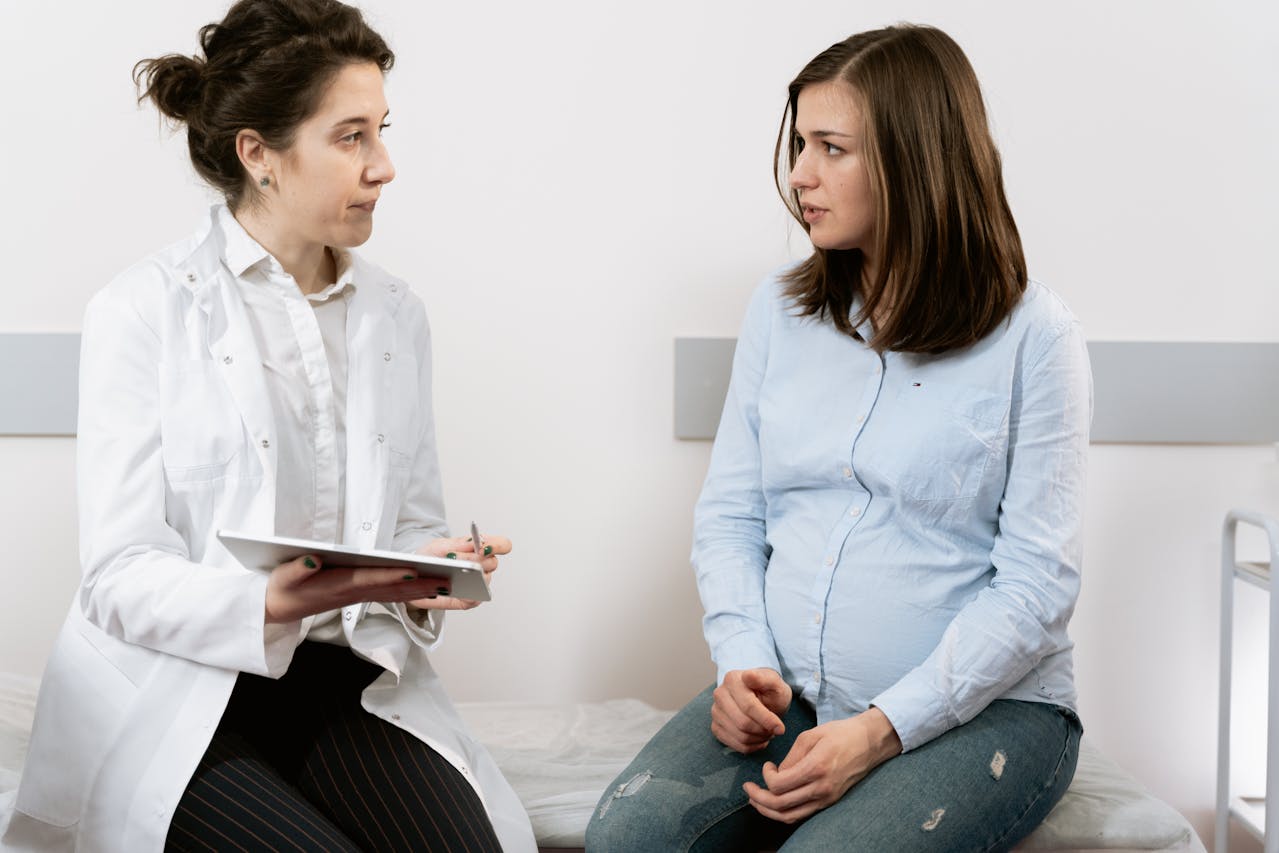
Stress isn’t just about reproductive hormones; it also takes a toll on the immune system. A compromised immune system can interfere with the early stages of pregnancy, making it more difficult for an embryo to implant and grow in the uterus. Women who experience high levels of stress may also be more prone to developing autoimmune disorders, which could further complicate the pregnancy process.
When stress affects the immune system, it may increase inflammation in the body, which could prevent successful implantation or lead to early miscarriage. Maintaining a healthy, balanced immune system is crucial for sustaining a pregnancy, especially in the early stages.
Decreased Egg Quality and Quantity
In recent years, studies have suggested that stress may directly affect egg quality and quantity. Women are born with all the eggs they will ever have, and these eggs age as the woman does. Chronic stress can accelerate egg aging, potentially reducing the number and quality of eggs available for fertilization.
Research suggests that high cortisol levels may increase oxidative stress, which can damage egg DNA, reducing eggs’ ability to be fertilized and to implant successfully. As egg quality diminishes, so too does the likelihood of pregnancy.
Sexual Dysfunction

When stress takes hold of your life, it can also impact your sexual health and libido. Emotional stress can lead to a reduced desire for intimacy, making it more difficult for couples to engage in regular intercourse during fertile windows. Additionally, stress can lead to vaginal dryness and discomfort, further complicating the physical aspects of conception.
The emotional burden of stress often prevents couples from connecting in a way that fosters conception, and when intimacy is reduced, the opportunities for pregnancy decrease. Over time, this emotional toll can also strain relationships, making conception an even more distant goal.
Disrupted Ovulation
Stress can directly affect the process of ovulation, the release of an egg from the ovary. If a woman is stressed, the body prioritizes survival, diverting energy away from less urgent tasks, such as reproduction. This shift can cause the body to skip ovulation altogether or delay it, thus reducing the chances of conception.
In fact, studies have shown that women under significant stress often experience anovulation, where ovulation does not occur. Without regular ovulation, pregnancy becomes much more difficult, even if other factors are normal.
Chronic Stress and the Increase in Miscarriage Risk

It’s important to recognize that while stress can make it harder to conceive, it can also affect the course of a pregnancy once it occurs. Research has found that women who experience high levels of stress during pregnancy are at a higher risk for complications like miscarriage, preterm birth, and low birth weight. Even before pregnancy, chronic stress can alter the environment in the uterus, affecting the ability of an embryo to implant properly.
Some studies suggest that high stress during the first few weeks of pregnancy can disrupt early cell division, leading to miscarriage or developmental issues. Stress, it seems, doesn’t just affect fertility; it can also impact the long-term health of a pregnancy.
Conclusion
When it comes to fertility, it’s easy to focus on diet, exercise, and medical interventions, but it’s just as important to recognize the impact stress has on the body. Hidden in plain sight, stress can significantly hinder your chances of becoming pregnant, whether by affecting your hormones, damaging your eggs, or interfering with the implantation process.
Recognizing the role stress plays in fertility is the first step toward taking control of your reproductive health. So, take a moment to care for your mind and body, reduce your stress levels, and improve your chances of welcoming a new life into the world.
Read the original Crafting Your Home.


