


Many people don’t think twice about spending eight hours a day sitting at their desk, but the truth is that a sedentary office lifestyle comes with more consequences than you might realize. What seems like a comfortable setup could be slowly sabotaging your health, both physically and mentally. If you’re stuck in a chair from dawn to dusk, it’s time to understand just how detrimental that seemingly innocent daily routine can really be.
Sitting for hours on end might feel harmless, but it can trigger a range of problems that creep up unnoticed. These hidden dangers of a sedentary office environment may be quietly affecting your body, your mood, and your overall well-being.
Here are 8 serious risks you might be overlooking, and how they can negatively impact your health and productivity in the long run.
Poor Posture Can Lead to Long-Term Back and Neck Pain
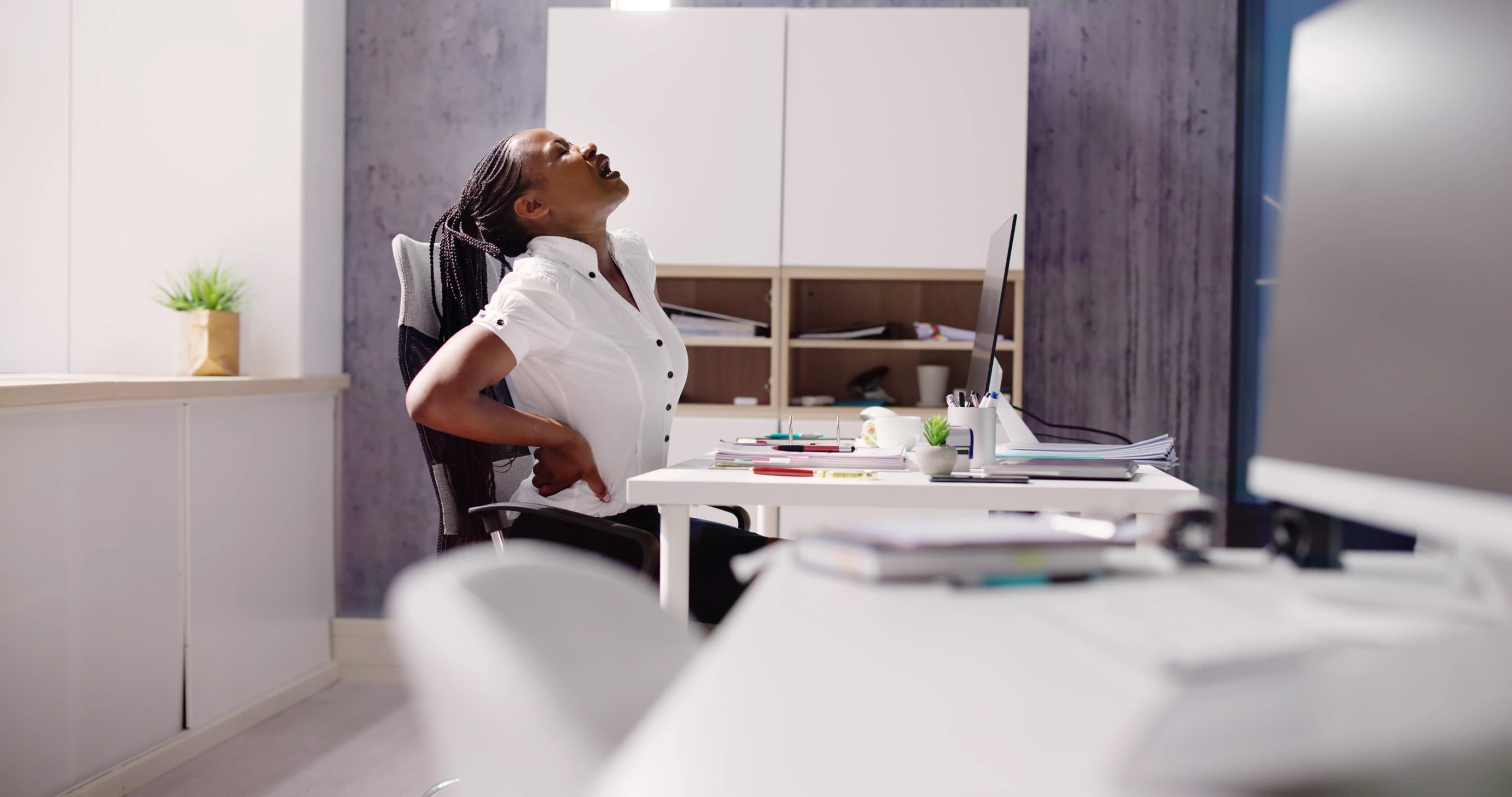
Spending hours hunched over a desk can strain your back and neck. Poor posture becomes second nature when you’re sitting for prolonged periods, leading to discomfort that can eventually turn into chronic pain. Over time, this habit can lead to spinal issues, muscle fatigue, and neck and shoulder tension, making everyday tasks feel increasingly painful.
Increased Risk of Obesity and Weight Gain
Sitting for long hours doesn’t just make you sluggish; it can also lead to weight gain. When you’re not moving, your metabolism slows down, making it harder for your body to burn calories efficiently. Over time, this lack of physical activity can lead to unwanted weight gain, even if you’re eating relatively healthy.
Cardiovascular Problems from Prolonged Sitting

Sitting for long periods has been linked to an increased risk of heart disease. When you remain seated, blood flow slows, and the arteries stiffen, making it more difficult for your heart to pump blood effectively. This leads to increased blood pressure and higher cholesterol levels, both of which are contributors to cardiovascular problems.
Mental Health Struggles from Isolation and Inactivity
Sitting for long hours in isolation can negatively affect your mental well-being. The combination of physical inactivity and lack of social interaction can lead to stress, anxiety, and even depression. While the physical effects of sitting are well known, the mental toll can be just as severe, as the body’s inability to release endorphins contributes to a lack of mood improvement.
Eye Strain and Sleep Disruptions

Looking at a screen all day can cause serious eye strain and disrupt your sleep patterns. The blue light emitted by screens can harm your eyes, leading to discomfort, headaches, and blurred vision. Additionally, exposure to screens at night can interfere with your sleep cycle by suppressing melatonin production, making it harder to get a restful night’s sleep.
Reduced Flexibility and Stiff Muscles
When you sit too long without moving, your muscles become stiff, and your body loses its natural flexibility. Long periods of inactivity shorten your hip flexors and hamstrings, leading to tightness and reduced mobility. This can make it difficult to stand, walk, or perform basic physical activities without discomfort.
Decreased Productivity and Focus

Ironically, the longer you sit at your desk, the less productive you may become. Research shows that prolonged sitting leads to mental fatigue, making it harder to focus and think clearly. As your body becomes sluggish, your mind follows suit, leading to poor concentration and reduced overall work efficiency.
Risk of Developing Deep Vein Thrombosis (DVT)
Prolonged sitting increases the risk of deep vein thrombosis, a condition in which blood clots form in the deep veins of the legs. When you sit for long periods, blood flow is restricted, which can lead to clots in the legs and pose serious health risks. If left untreated, these clots can travel to the lungs, leading to a potentially fatal pulmonary embolism.
Conclusion
Sitting for long hours in a sedentary office environment may feel comfortable at first, but the hidden dangers it poses to your health are significant. From back pain and weight gain to mental health struggles and cardiovascular issues, the effects of prolonged sitting are far-reaching. It’s essential to move regularly, take breaks, and pay attention to your body’s needs to combat the dangers of a sedentary lifestyle.


