
LIfestyle & Entertainment

8 Hard Truths About Raising Kids in the Social Media Age

Erickson Okumu
By Erickson Okumu 6 min read

Raising children today is a completely different experience from it was for previous generations, and social media is a huge part of that shift. While it brings many benefits, it also introduces challenges that parents must navigate carefully. The reality is that social media can shape children in ways we may not yet fully understand.

Here are eight hard truths about raising kids in the social media age and why it’s important to stay aware of these evolving challenges.

The Pressure of Comparison
comparing yourself to another
Image Credit:123RF Photos

One of the most significant issues with social media is the pressure it places on kids to compare themselves to others. It’s easy for them to look at filtered photos and curated lives and think they should live up to the same standards. This constant comparison can lead to self-esteem issues, feelings of inadequacy, and an unrealistic view of what life should look like.

Children are especially vulnerable to the pressures of comparison, as they’re still learning how to form their own identities. Social media magnifies this issue by presenting a constant stream of “perfect” lives that they feel they must emulate. Parents need to have open conversations with their kids about the difference between reality and what they see online.

The Fear of Missing Out (FOMO)

With constant notifications and the need to stay connected, kids today often experience the fear of missing out, or FOMO. They worry about not being invited to events, or being part of a trend, or missing out on the latest social media craze. This feeling can cause them to become obsessed with their phones, constantly checking for updates or notifications.

The fear of being left out can affect their mood, self-worth, and social interactions in the real world. It also creates a sense of anxiety, as they feel pressured to stay connected at all times. Parents need to help their kids balance online and offline activities so they don’t become consumed by the digital world.

Exposure to Inappropriate Content

protecting children from accessing inappropriate media
Image Credit:123RF Photos

The internet is full of both good and bad content, and unfortunately, kids are often exposed to inappropriate material through social media. From explicit language and videos to cyberbullying and harmful trends, the dangers of online content are a reality. No matter how careful parents are with privacy settings, children are often just a few clicks away from encountering harmful content.

As kids spend more time online, it becomes harder for parents to monitor what they’re exposed to. Parents need to stay proactive about digital literacy and regularly discuss the potential dangers with their children. Setting boundaries and using parental controls can help reduce exposure, but the best defense is ongoing communication about online safety.

Social Media Can Fuel Cyberbullying

While social media connects kids with their peers, it also provides an anonymous platform for bullying and harassment. Cyberbullying can be just as damaging as traditional bullying, often with the added factor of being constant and difficult to escape. The anonymity of the internet makes it easier for kids to say hurtful things without facing immediate consequences.

Parents need to recognize the signs of cyberbullying early and provide a safe space for their children to talk about their experiences. Being aware of which platforms your children use and who they interact with is essential for monitoring potential harm. Open conversations about online interactions can help prevent long-lasting emotional damage.

The Challenge of Setting Boundaries

Parents setting boundaries for children
Image Credit:123RF Photos

Setting boundaries around screen time and social media use can be incredibly challenging in today’s world. With schools, extracurricular activities, and social events increasingly relying on online platforms, it’s difficult to enforce strict limits. However, spending too much time on social media can lead to physical health problems such as eye strain, disrupted sleep, and a sedentary lifestyle.

While it’s important for kids to stay connected, it’s equally important for them to take breaks and engage in face-to-face interactions. Parents should work with their children to establish healthy screen time habits and balance online and offline activities. Finding the right balance will help prevent the negative effects of excessive social media use.

Influence of Influencers and Social Media Trends

Children and teens today are heavily influenced by social media influencers and trends, which can sometimes lead them down harmful paths. Social media personalities, while often well-intentioned, promote unrealistic beauty standards, materialism, and superficial values. Kids are particularly impressionable and may adopt behaviors or attitudes that they see online, thinking they are the norm.

Parents must be aware of the content their children consume and talk to them about the difference between real life and what is presented online. Encouraging critical thinking and discussions about influencers’ motivations can help children form healthier views of the media they consume. Parents need to provide alternative sources of inspiration that promote self-confidence and authenticity.

Loss of Face-to-Face Social Skills

face to face guide
Image Credit:123RF Photos

As kids spend more time communicating through screens, their ability to interact in person can suffer. Social media provides a layer of comfort by allowing kids to hide behind screens, but face-to-face interactions are essential for developing strong communication skills. Without these personal interactions, kids may struggle with empathy, emotional regulation, and understanding non-verbal cues.

Encouraging socialization outside of digital spaces is key to helping kids develop strong social skills. Parents should provide opportunities for their children to engage in activities that require face-to-face communication, whether it’s playing sports, joining a club, or spending time with friends in person. These experiences help build the emotional intelligence needed for healthy relationships.

The Need for Constant Validation

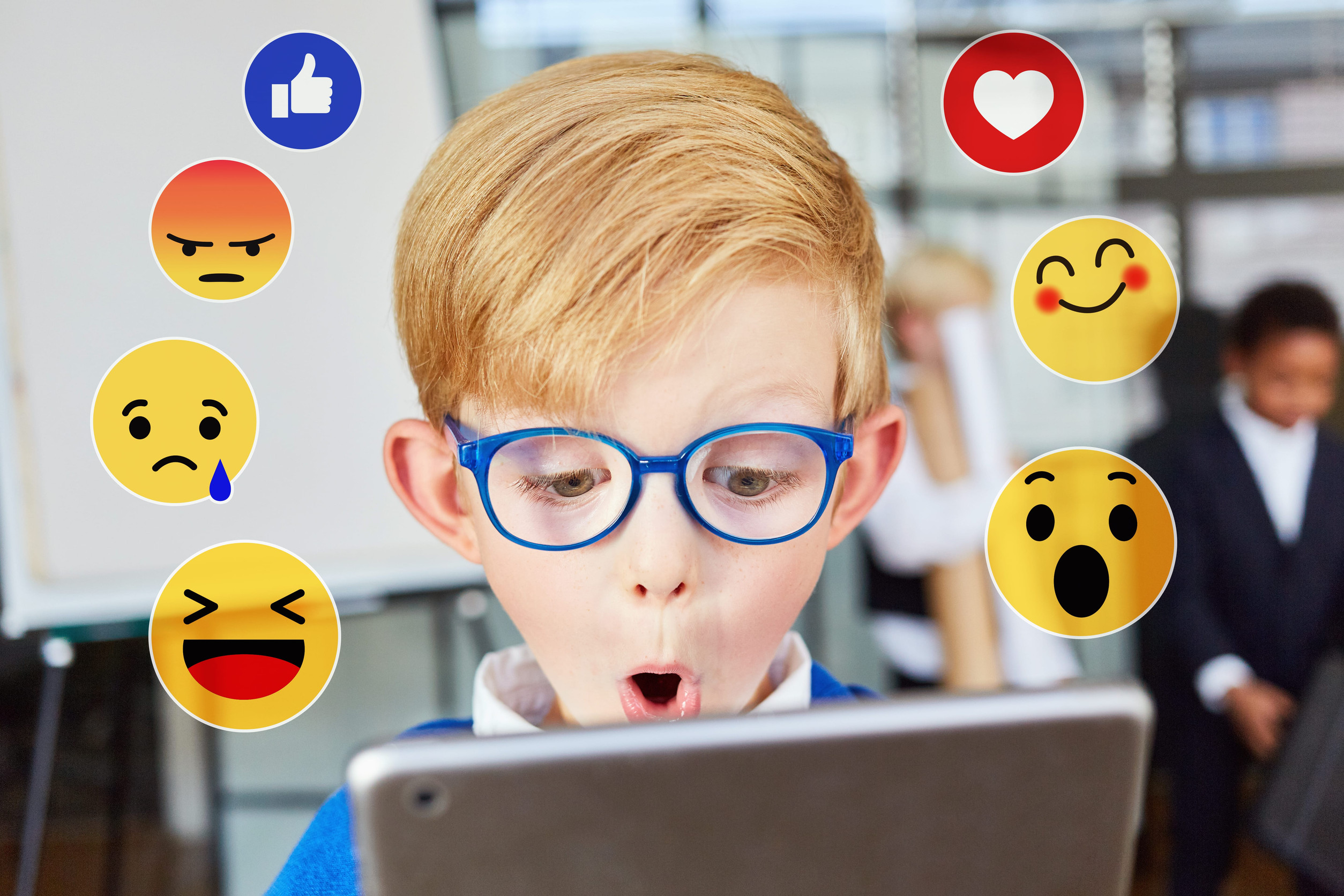
Social media is built on validation, likes, comments, and shares become a way for kids to measure their self-worth. This constant need for approval can lead to a dependency on external validation, which affects their self-esteem. Kids may become obsessed with getting likes on a post or attracting attention online, which can negatively impact their mental health.

Parents can help by teaching children the importance of self-validation and the dangers of seeking others’ approval. Encouraging them to focus on internal values, such as kindness, creativity, and effort, rather than on external recognition, can help reduce the pressure of constant validation. This shift can protect kids from developing unhealthy patterns of self-worth based solely on online reactions.

Striking a Balance Between the Digital and Real World

The social media age offers both opportunities and challenges when it comes to raising kids. While it’s important to embrace technology and help kids learn to navigate the digital world, parents must be proactive in addressing the hidden dangers it entails. Open communication, setting boundaries, and encouraging offline activities are essential for ensuring that kids grow up with a healthy relationship to social media. Balancing the digital and real world can help protect children from the negative effects of social media while allowing them to thrive in the modern age.
Read The Original Crafting Your Home
Author
Erickson Okumu

Erickson Okumu is a writer and content creator specializing in lifestyle, health, fitness, personal development, business, and trending human interest stories. With a passion for delivering engaging and informative content, he creates articles that help readers stay informed, inspired, and connected to current topics that shape everyday life.

Drawing from his experience in community development, entrepreneurship, and fitness leadership, Erickson brings a practical and relatable perspective to his writing. His work focuses on translating complex topics into clear, reader friendly stories that educate, entertain, and spark meaningful conversations.

Erickson is committed to producing high quality content that informs audiences, highlights emerging trends, and provides valuable insights on issues that matter most to modern readers.

Leave a Reply

Your email address will not be published. Required fields are marked *