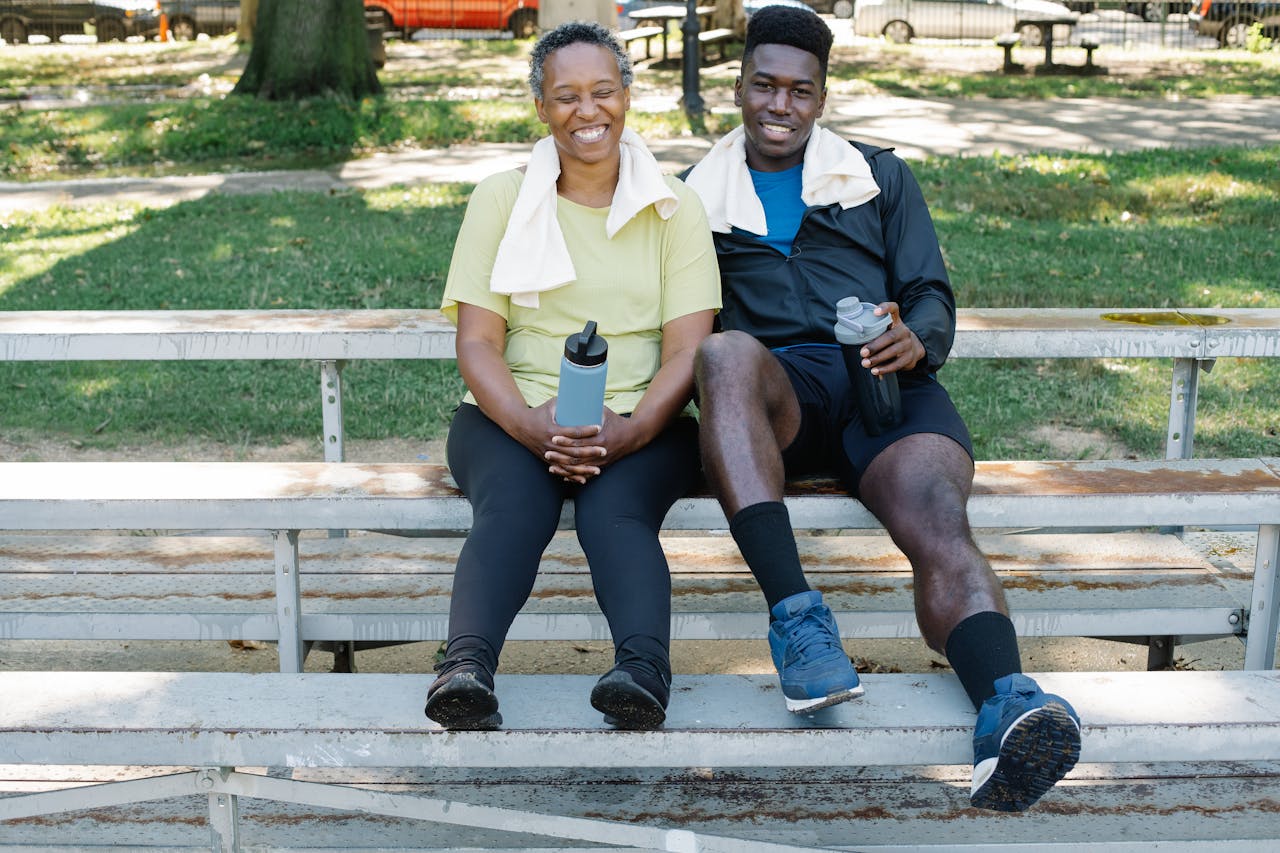
After an intense workout, your body deserves the best care to ensure it recovers properly and is ready for the next challenge. Whether you’re lifting weights, running, or doing yoga, post-workout recovery is essential for muscle repair and avoiding injury. Thankfully, several tools are available to speed up recovery and relieve muscle soreness.
Let’s dive into the eight best tools to help you recover effectively and get back to your best self faster.
Foam Rollers

A foam roller is one of the most effective and affordable tools for muscle recovery. It uses a technique called self-myofascial release to target tight muscles and fascia, reducing soreness and increasing blood flow. By rolling out tight areas, you can release built-up tension, improve flexibility, and speed up muscle recovery.
This simple yet powerful tool can be used before or after a workout to keep your muscles loose and reduce the risk of injury. Foam rolling is particularly beneficial for your legs, back, and arms, but it can be used on almost any part of your body. By incorporating foam rolling into your post-workout routine, you’ll enhance muscle recovery and help your body recover faster from the demands of exercise.
Stretching Straps

Using a stretching strap can significantly improve your flexibility and range of motion after a workout. These straps help you stretch deeper and more effectively by providing additional support and leverage. Stretching can relieve muscle tightness, improve blood flow, and enhance recovery, especially after a particularly tough training session.
Massage Guns
Massage guns have gained significant popularity for their ability to deliver deep-tissue massage to your muscles. These handheld devices use rapid percussions to relieve muscle tension and soreness. A few minutes with a massage gun can target specific areas of discomfort, alleviate stiffness, improve circulation, and speed up recovery.
Compression Sleeves
Compression sleeves are a fantastic way to improve circulation and reduce muscle swelling after intense physical activity. Applying gentle pressure to specific muscles or joints increases blood flow and oxygen to the area, speeding up the recovery process. These sleeves can be worn on your arms, legs, or other parts of your body that need extra care after a workout.
Epsom Salt Baths

An Epsom salt bath is a classic recovery technique that can work wonders on sore muscles. The magnesium in Epsom salts helps to relax muscles, reduce inflammation, and improve circulation. After a tough workout, soaking in a warm bath with Epsom salts can relieve tightness, ease pain, and leave you feeling relaxed and rejuvenated.
Cold and Heat Therapy
Cold and heat therapy are tried-and-true methods for muscle recovery, with each offering unique benefits. Cold therapy, like ice baths or ice packs, helps reduce inflammation and numb pain, making it effective for acute injuries or soreness right after a workout. On the other hand, heat therapy, such as heating pads or warm showers, promotes blood flow, relaxes muscles, and eases stiffness.
Percussion Therapy Devices

Percussion therapy devices are advanced tools that use high-frequency pulses to target muscle tissue and relieve soreness. These devices offer deep muscle penetration, making them perfect for tackling tight knots and muscle stiffness that often occur after intense workouts. Percussion therapy can reduce muscle tension, increase blood flow, and promote faster healing of sore muscles.
Recovery Boots
Recovery boots, also known as pneumatic compression boots, use air pressure to massage your legs and feet, promoting circulation and reducing swelling. This technique helps flush lactic acid from your muscles, which can build up during exercise and cause soreness. Recovery boots are ideal for post-leg workouts or any activity that leaves your lower body feeling tired and swollen.
Conclusion
Recovering from a tough workout is just as important as the workout itself. By using the right tools, you can speed up recovery, relieve muscle soreness, and get back to feeling your best faster.
Whether you opt for a foam roller, massage gun, or recovery boots, each tool offers unique benefits that support muscle repair and overall well-being. Incorporating these recovery tools into your routine will help you stay in top shape and reduce the chances of injury, making your fitness journey more effective and enjoyable.