


Most people imagine spying as something dramatic, a van parked outside, a hidden camera in a hotel room, or a hacker furiously typing in a basement. Real surveillance is usually much duller, which is exactly why it slips past us. It often arrives disguised as convenience, safety, fun, or efficiency.
A product does not need to look sinister to collect revealing information. It just needs sensors, connectivity, and permission that most people grant without thinking twice. That is what makes modern privacy feel so slippery. Many of the things we invite into our homes and carry on our bodies can gather details about our routines, voices, movements, and spaces.
Some do it openly as part of their design. Others become risky when companies handle data carelessly, when hackers break in, or when a harmless object is repurposed into a listening tool. Here is a fuller look at ten things that can know more about you than you ever expected.
Home Security Cameras
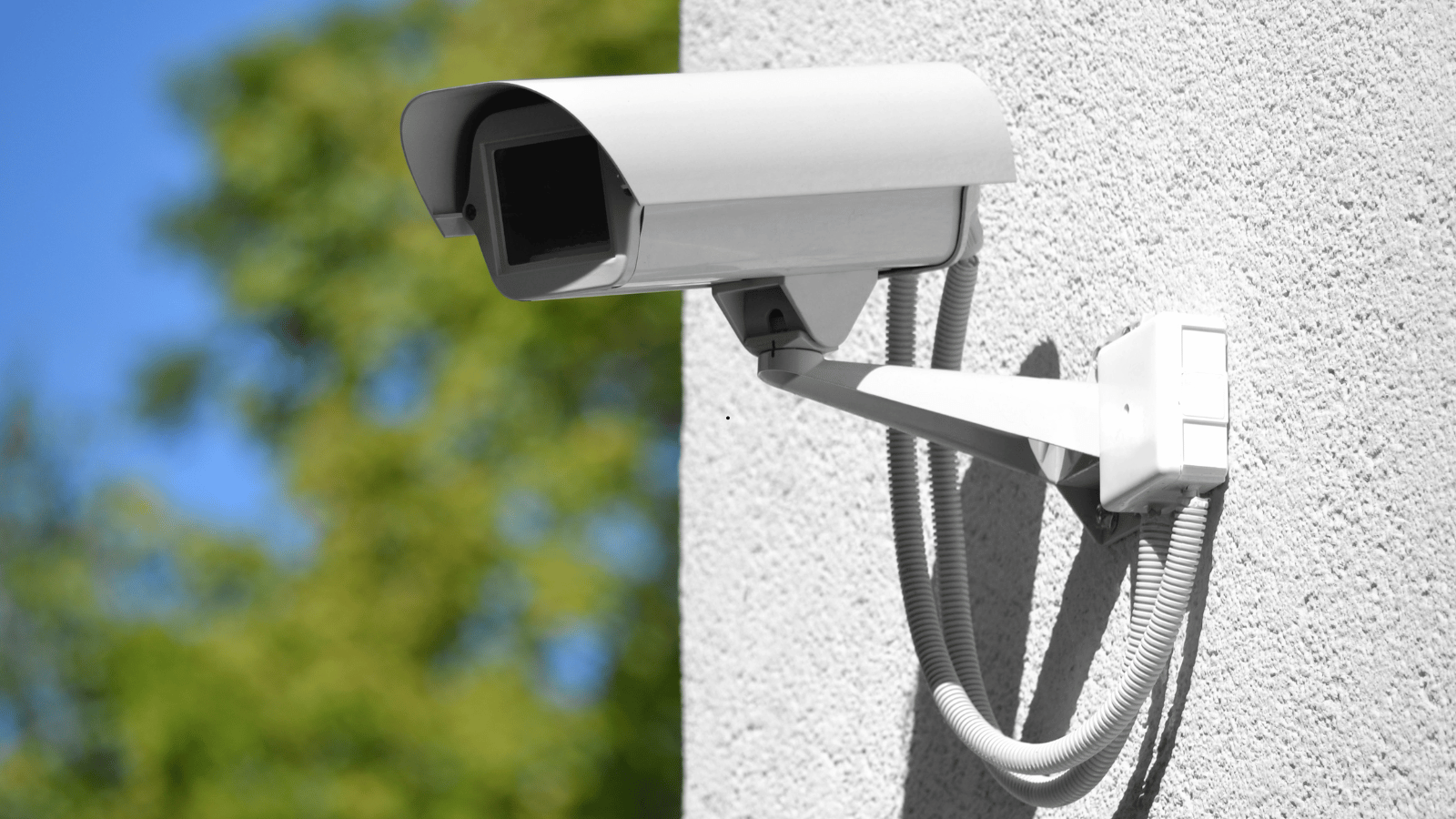
Home cameras are sold as a way to protect against strangers, package thieves, and suspicious activity. The problem is that they can also expose the people who bought them. In 2023, the FTC said Ring employees and contractors had broad access to customer videos and alleged that the company failed to put in place adequate privacy and security protections, allowing employees, contractors, and hackers to access private footage in some cases.
The case later led to refunds for affected customers. That turns the product’s promise inside out. A camera installed for peace of mind can become a device that increases vulnerability if the company behind it is careless or if bad actors breach its security. Indoor cameras are especially intimate because they do not just capture intruders.
They capture family routines, conversations, clothing, arguments, children, and every small unguarded moment that makes up real life. A tool meant to help you watch the outside world can easily become a window into your own.
Cars

Cars have become giant computers on wheels, which means they have also become giant data collectors. U.S. safety authorities explain that many vehicles include event data recorders that preserve certain information related to a crash. That may sound narrow, but it opens the door to a broader truth about modern vehicles.
Between built in sensors, telematics, navigation tools, connected apps, and manufacturer software, your car can generate a surprisingly intimate trail of information. The unsettling part is that people still think of cars as private spaces. We talk freely in them, store personal items in them, and move through the world inside them as if they are sealed off.
They are not. Even when the official crash recorder is limited, the larger connected vehicle ecosystem can still reflect driving habits, routes, braking patterns, and timing. A car used to be remembered only for mileage and dents. Now it can help reconstruct your behavior.
Headphones
Headphones feel safe because they are supposed to do one thing, send sound into your ears. That is why the idea of them spying sounds so absurd at first. Yet researchers at ScienceDaily showed that ordinary headphones and earbuds connected to a computer can be turned into makeshift microphones through malware. Their published work described how output devices could be repurposed silently for eavesdropping.
What makes this example so unnerving is how ordinary it is. People cover webcams and worry about microphones, but hardly anyone looks at a pair of headphones and thinks, this could be used to listen to me. That is the lesson hidden inside the research.
Privacy risks do not always come from gadgets that were obviously designed to watch or record. Sometimes the danger comes from a familiar device being twisted into something it was never meant to be.
Robot Vacuums
A robot vacuum seems almost too boring to be a privacy concern. It scoots under the couch, bumps into chair legs, and quietly collects dust while you do something else. But many modern models do not just clean. They map your rooms, learn the shape of your home, note obstacles, and sometimes connect that information to apps and larger smart home systems.
That means the device is not simply removing crumbs. It is building a rough digital portrait of your living space. That matters because a floor plan can reveal a lot. It can suggest the size of your home, how many rooms you have, how you use them, and how your furniture is arranged.
TechCrunch reported that iRobot saw future value in the mapping side of its business, and later reporting kept the privacy discussion alive because those maps are more personal than they first appear. A vacuum used to know where the dirt was. A connected vacuum can know where you live, how your home is laid out, and what kind of lifestyle fits inside it.
Smart Toothbrushes
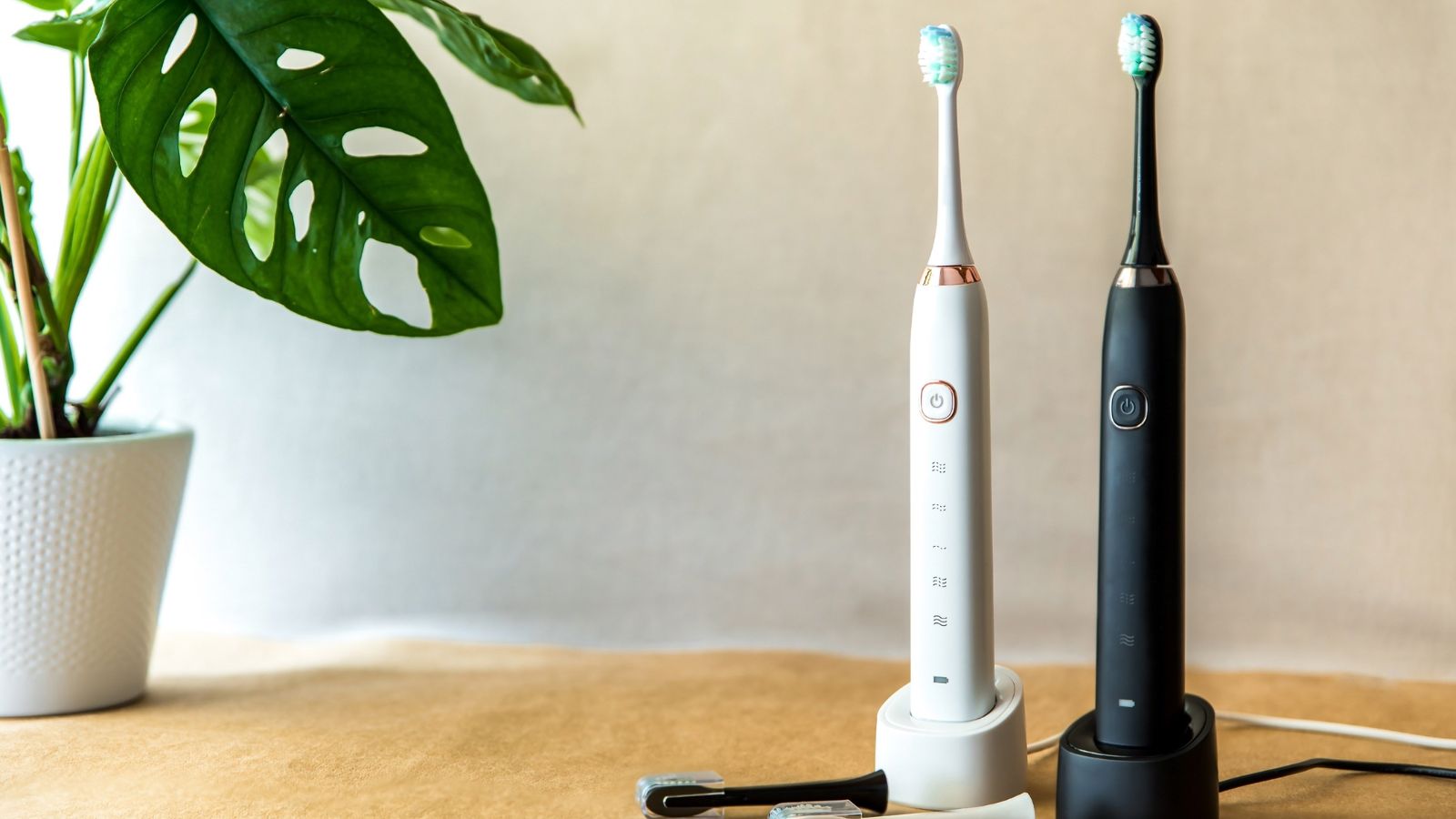
The toothbrush used to be one of the last truly private objects in the house. It lived in the bathroom, had one job, and reported to no one. Smart toothbrushes changed that by linking brushing habits to mobile apps and connected services. Privacy notices from companies behind these products make clear that brushing-related data can be collected and used through the app experience.
In some cases, connected brushing tools can also support video or progress tracking features. That may sound harmless, and in many households it probably is. Still, it shows how easily intimate routines become data streams. Once a private health habit gets measured, stored, and synced, it stops being just a habit.
It becomes information that can be analyzed, retained, and sometimes shared across services. A toothbrush does not need to hear your secrets to know a lot about your routines. It only needs to record them.
Voice Assistants like Alexa
This category is one of the clearest because the privacy concerns became public and concrete. Bloomberg reported in 2019 that Amazon had teams reviewing some Alexa audio clips to help improve the system. The story rattled many users because the surprise was not that voice systems store data.
It was that real people could sometimes hear the recordings. Amazon later gave users an option to disable human review, which showed just how serious the backlash became. The deeper discomfort is about location, not just technology. A voice assistant sits in kitchens, bedrooms, and living rooms, the very places where people are least guarded.
It is built to wait for a wake word, but mistaken activations happen, and the entire product category depends on listening in some form to be useful. That does not mean a smart speaker is always spying in the most dramatic sense. It does mean you are placing a voice-responsive data-collecting device at the emotional center of your home.
Led Lights and Smart Lighting Systems
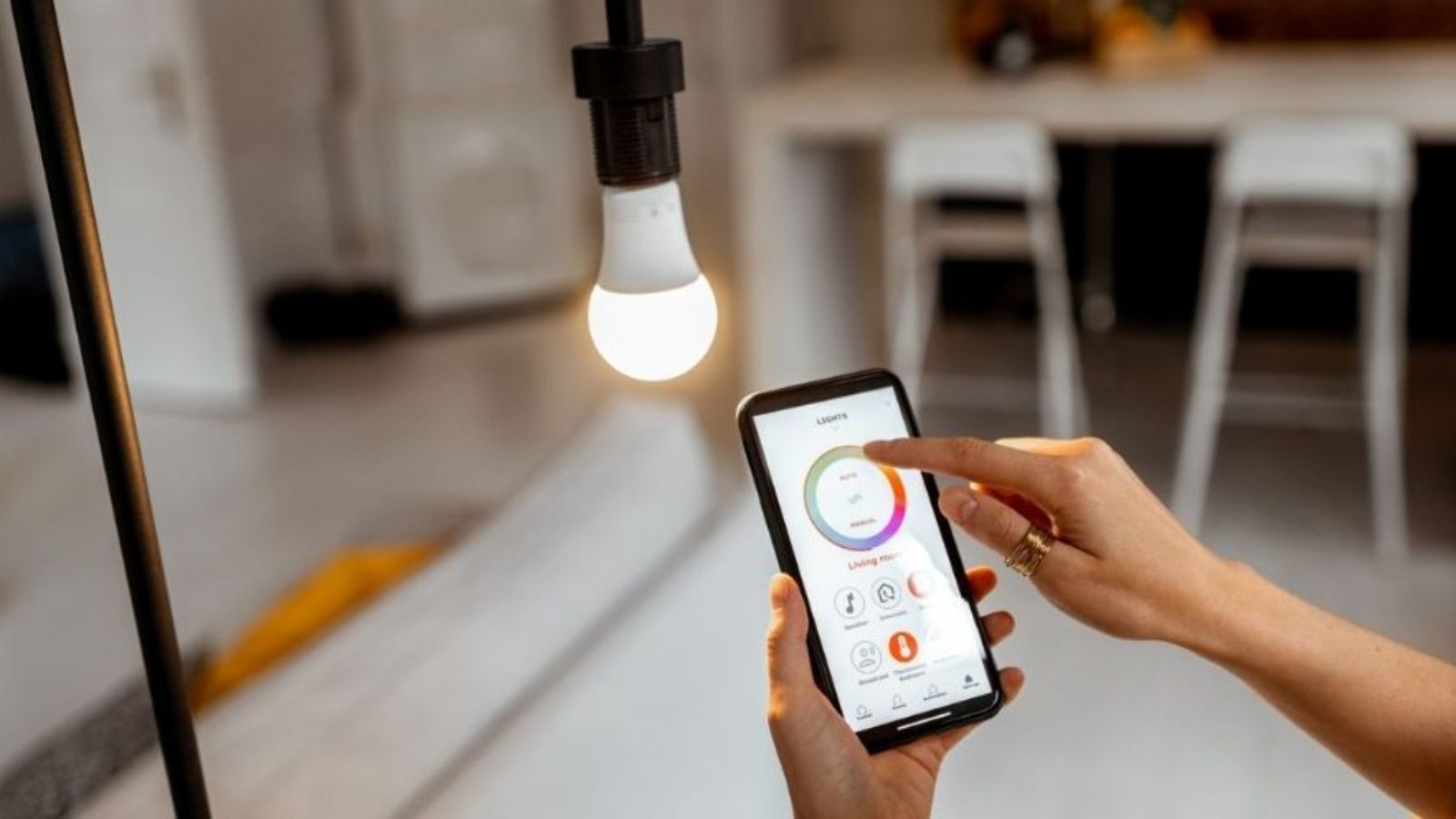
Lights seem passive, which is why they make such an effective disguise for surveillance. Reporting on SecurityWorld described LED fixtures tied into a wider system of sensors and cameras that monitor movement, foot traffic, and security conditions. In that case, the lighting was not just lighting. It was part of the building’s awareness system.
That idea unsettles people because it expands the definition of what can watch us. We are used to spotting a camera on a wall. We are not used to thinking of the light above our heads as part of a monitoring network. As buildings become smarter, more infrastructure can double as observation infrastructure.
A light fixture can remain visually ordinary while quietly becoming another node in a larger system that tracks where people are and how they move.
Connected Toys
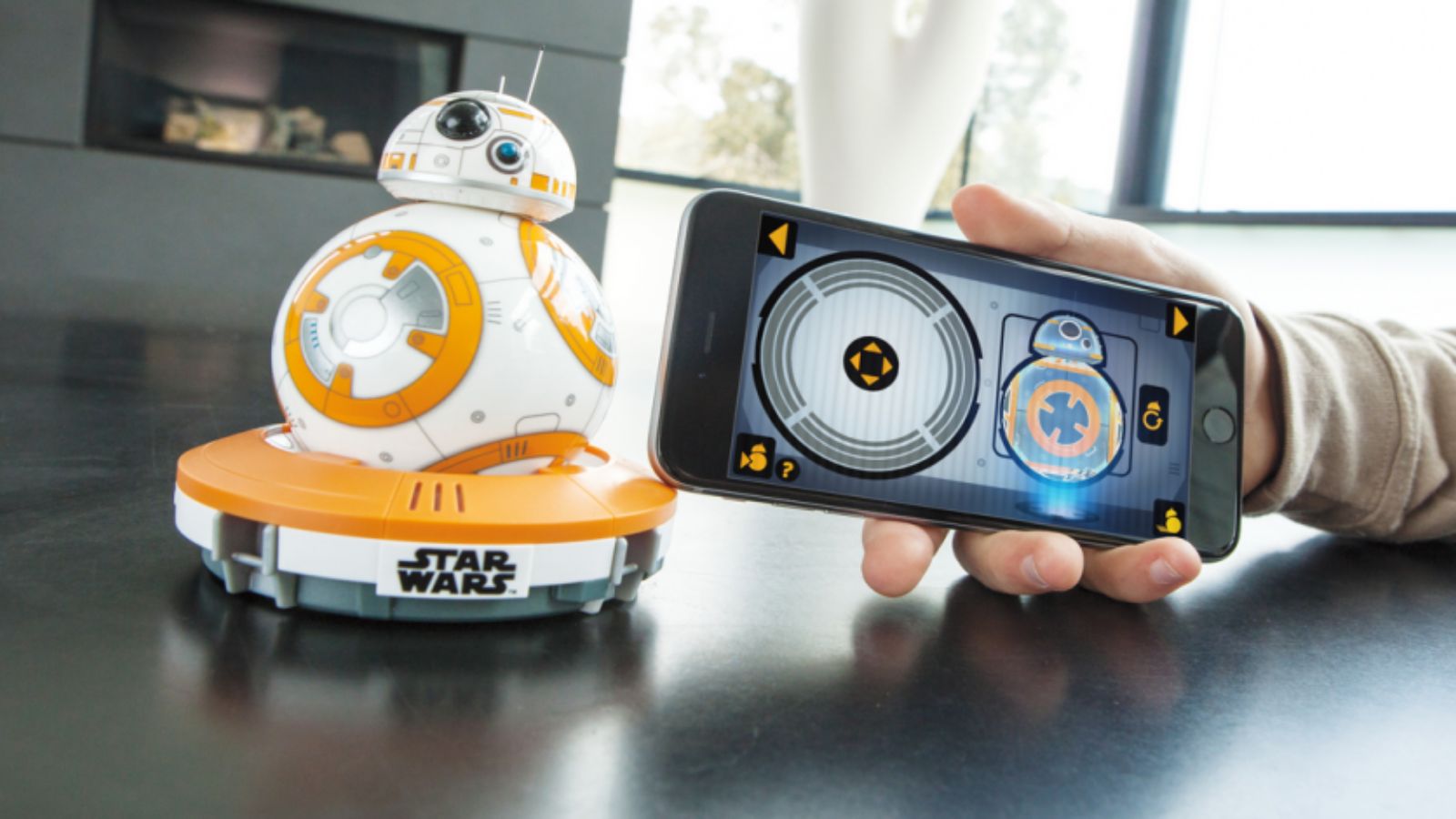
Smart toys may be the creepiest item on this list because they mix technology with childhood trust. The FTC warns that internet-connected toys can include microphones, cameras, and sensors that collect data, record interactions, and sometimes even reveal location-related information.
The FBI has also warned that these toys can collect conversations within earshot and may expose personal details children casually mention while playing. Children do not interact with devices cautiously. They chatter, invent stories, repeat family details, and treat a toy like a friend.
That makes connected toys unusually sensitive from a privacy standpoint. A child may reveal names, routines, school details, likes, fears, and home dynamics without realizing any of it matters. The danger is not just that a toy is listening. It is that the person speaking to it is the least likely to understand what listening means.
Computer Mouse
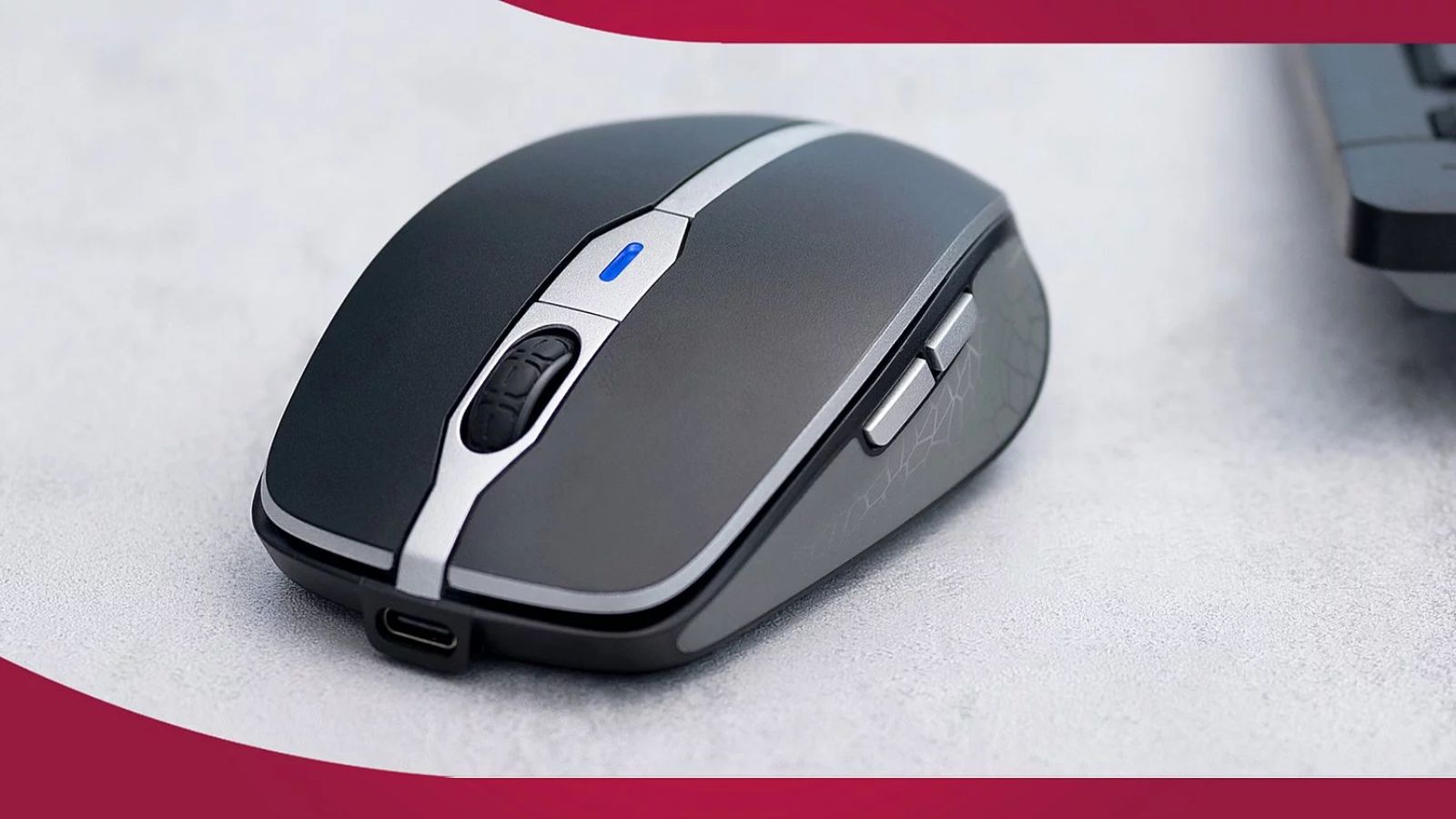
A computer mouse is almost comically invisible. It sits on a desk, draws no attention, and feels too ordinary to be suspicious. That is exactly why it works well as camouflage. The original Listverse piece highlighted examples of spy devices disguised as computer mice, complete with hidden recording capability.
Even if this is not a standard consumer problem on the scale of smart speakers or connected cameras, it shows how effective surveillance can be when hidden inside something forgettable. The real lesson here is psychological. People do not carefully inspect objects they think they understand.
A fake mouse blends into office clutter, home workstations, and shared desks with almost no resistance. Surveillance often succeeds through boredom. The less interesting an object looks, the easier it becomes to overlook, and the easier it becomes to trust without question.
Smartwatches and Fitness Trackers

Wearables are packed with sensors, which is what makes them useful and risky at the same time. Researchers have shown that smartwatch motion data can sometimes be analyzed to infer what a person is typing, including PIN entries on a smartphone. Other research has explored how motion sensors on a watch can leak information about typed content more broadly.
In simple terms, your wrist can reveal more than you think. That does not mean every fitness tracker is actively stealing passwords. It means the data these devices gather can be surprisingly rich. A wearable can reflect your routes, rhythms, gestures, workout habits, sleep timing, and body movement patterns.
Once you accept that level of sensing, it becomes easier to see why privacy researchers pay so much attention to them. A smartwatch is not just about counting steps. It is studying how you move through the world in fine detail.
Final Thought
What makes all of this so unsettling is that almost none of it looks like old fashioned spying. The objects are friendly, sleek, useful, and often genuinely helpful. That is why they get so close to us. They enter our bedrooms, bathrooms, kitchens, cars, and children’s rooms without setting off the alarm bells that a visible surveillance device would trigger.
The modern privacy question is no longer just, ” Who is watching me. It is also what in my life can collect pieces of me, and where does that information go next? That shift is what makes ordinary devices feel strange once you really think about them.
The spying does not always come from an enemy outside the house. Sometimes it arrives in a box, promises convenience, and asks you to click accept


